
Spined rat louse
Polyplax spinulosa
Description
How to identify
The spined rat louse (Polyplax spinulosa) belongs to the order Phthiraptera and the family Polyplacidae. It is a highly specialized ectoparasite that lives its entire life cycle on the host.
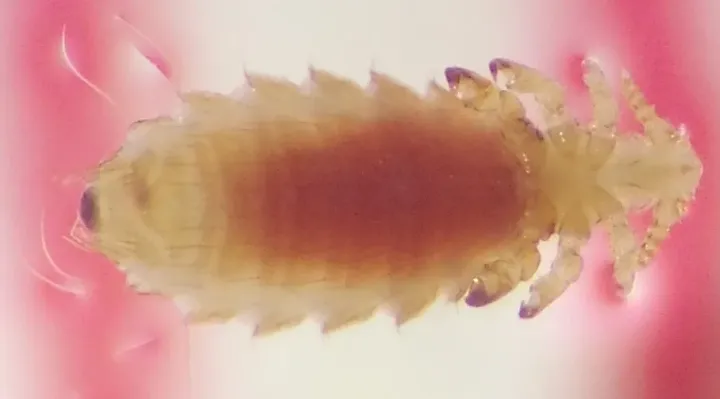
Adult specimens measure approximately 1.5–2 mm in length. Their bodies are dorsovenrally flattened, typically light to dark brown, aiding in camouflage within the host's dense fur.
The louse features piercing-sucking mouthparts specifically adapted for feeding on blood. Their legs are equipped with robust claws designed to grip onto the hair of rats with high efficiency.
They undergo incomplete metamorphosis. Females lay eggs (nits) that are firmly cemented to the hair follicles using specialized glandular secretions, ensuring they remain protected until hatching.
The developmental cycle from egg to adult takes approximately 2–3 weeks. This rate is heavily influenced by the host's body temperature and the humidity levels of the environment where rats congregate.
What it damages
It is important to note that this pest does not damage agricultural crops. It is an obligate parasite of mammals and is considered a public health and sanitation concern rather than a crop pest.
The louse infests grey and black rat populations found in grain silos, warehouses, and livestock barns. Its presence acts as a biological indicator of significant rodent infestation levels.
Polyplax spinulosa is a known vector for dangerous zoonotic diseases, including murine typhus (Rickettsia typhi) and tularemia, posing a severe risk to farm workers and livestock.
While the louse itself does not consume stored grain, the necessary interventions required to eradicate it (rodent control) are essential for maintaining the quality and safety of stored food supplies.
The economic impact is linked to the operational costs of sanitation, cleaning, and professional pest control services required to mitigate the risks associated with infested rodent colonies.
Control measures
Control of the spined rat louse is entirely dependent on effective rodent eradication (deratization). Because the louse cannot survive away from its host for more than a few days, eliminating rats effectively ends the infestation.
Insecticide application within storage facilities must be performed cautiously, adhering to safety protocols to prevent contamination of agricultural products and food supplies.
Maintaining high standards of warehouse hygiene is crucial. Removing spilled grain, waste, and clutter reduces the available habitat for rats, thereby limiting the growth of the louse population.
- Regular installation and monitoring of bait stations for rodent control.
- Sealing all structural gaps and entry points to prevent rodent re-entry.
- Professional sanitization of facilities once the rodent population has been suppressed.
A proactive, integrated pest management (IPM) approach is the most effective way to prevent the spread of these parasites within farm infrastructures.
Taxonomy
- Latin name
- Polyplax spinulosa
- Family
- Polyplacidae
- EPPO code
- POLXSI
Discussion
No discussions yet — be the first.