
Pogonognathellus
Pogonognathellus
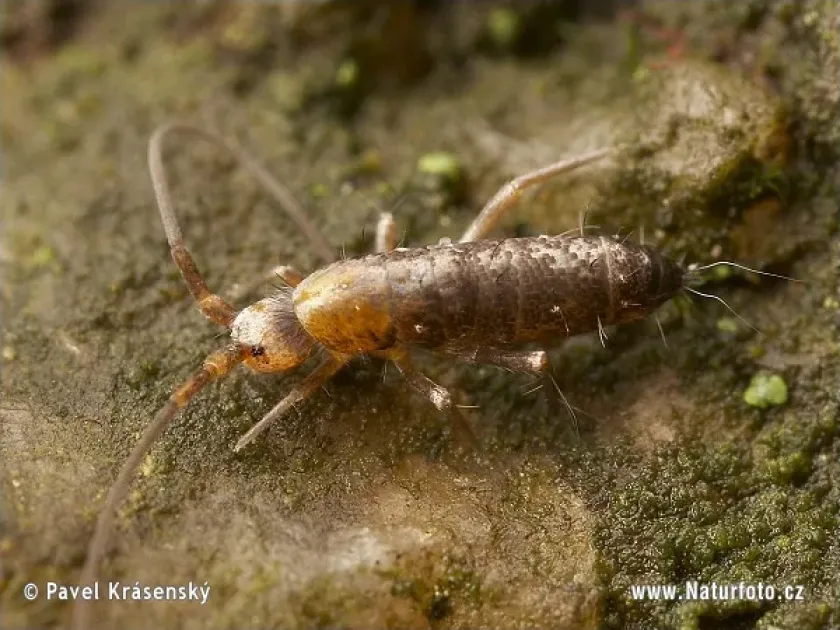
Description
How to identify
Pogonognathellus is a genus belonging to the order Collembola (springtails), specifically within the family Tomoceridae. These are tiny, wingless hexapods that are often considered a significant pest in greenhouse and nursery environments.
They are characterized by a specialized organ called a furcula (jumping fork) located on the abdomen, which allows them to jump several centimeters when disturbed. This distinct behavior makes them easily recognizable in soil samples.
The body of Pogonognathellus is typically covered with fine scales, a diagnostic feature of the Tomoceridae family. Their coloration ranges from greyish-blue to dark, nearly black, providing them camouflage against dark, moist soil.
Adults measure between 3 and 6 millimeters in length. Because of their small size, they are often overlooked until their population density becomes extremely high, at which point they become visible as a moving layer on the soil surface.
Their life cycle consists of several stages of molting, and unlike true insects, they continue to molt throughout their adult life. They thrive in environments with high humidity and abundant organic matter.
What it damages
The primary damage caused by Pogonognathellus occurs in greenhouse conditions or indoor plant nurseries. While they primarily feed on decaying organic matter, they can switch to healthy plant tissues when population densities are high.
Young seedlings and newly germinated plants are the most vulnerable. These springtails can feed on root tips and subterranean stem tissue, which stunts plant growth and often leads to the death of the seedling.
Beyond direct feeding damage, they act as vectors or precursors for fungal infections. By creating wounds in root tissues, they facilitate the entry of soil-borne pathogens like Pythium or Fusarium, leading to root rot.
In the mushroom industry, Pogonognathellus is a serious threat. They graze on mushroom mycelium and can penetrate the fruiting bodies, significantly reducing both the quality and the total yield of the mushroom crop.
The severity of damage is directly linked to the quality of the growing medium. Substrates rich in poorly decomposed peat or fresh compost provide an ideal nutritional environment for the rapid expansion of their colonies.
When it appears
Pogonognathellus remains active throughout the year as long as environmental conditions are maintained. In outdoor settings, they become most active during the spring and autumn months when soil moisture levels remain consistently high.
In greenhouses and indoor nurseries, there is no distinct seasonal inactivity. A stable temperature and high moisture levels allow them to reproduce and feed continuously, creating persistent problems for growers.
Population spikes often coincide with heavy irrigation cycles or the introduction of organic-based fertilizers into the soil. These practices trigger a burst of activity in the soil micro-community, benefiting the springtail colonies.
During dry conditions, they tend to move deeper into the soil profile to find humidity. They do not truly hibernate but rather slow down their metabolic activity until favorable moisture conditions return.
When environmental conditions become stressful, such as during severe droughts, their population numbers may plummet, but a single watering event can lead to a quick resurgence of the colony.
Signs of infestation
The first signs of infestation include small, irregular holes or 'bites' on the cotyledons or leaves that are touching the soil surface. This is a clear indicator that the population has moved from the soil to the plants.
A major visual indicator is the presence of the pests themselves, especially after watering. If you see tiny particles 'jumping' when the soil is disturbed or watered, a Pogonognathellus infestation is highly likely.
Stunted seedling growth and a failure to thrive are classic signs of root damage. If a plant can be pulled from the soil with minimal effort, the root system has likely been compromised by springtail activity.
The appearance of white or greyish mold on the surface of the soil often acts as a food source for these pests. Seeing high concentrations of small, jumping creatures around such spots is a diagnostic sign.
Upon closer examination of damaged root zones, one can find fine pitting or brown lesions. These injuries are characteristic of the feeding behavior of soil-dwelling Collembola.
Control measures
The most effective management strategy is cultural control focused on moisture regulation. Drying out the top 1–2 centimeters of the soil surface between irrigations is usually sufficient to discourage these pests.
Sterilization of the growing medium before planting is crucial for disease and pest prevention. Steam or heat treatment effectively eliminates eggs and active stages of the springtails from the potting soil.
In cases of severe infestation where crops are at risk, systemic insecticides registered for soil applications can be used. These chemicals are applied as a soil drench to provide direct control of the pest population.
Simple trapping methods using raw potato slices placed on the soil surface can help reduce numbers. Springtails congregate on the potato to feed, allowing the grower to collect and dispose of them periodically.
- Ensure proper soil aeration to allow for faster drying.
- Avoid water stagnation in pots and drainage trays.
- Use biological controls such as predatory mites or entomopathogenic fungi.
- Maintain high sanitary standards in greenhouses by removing plant debris.
Taxonomy
- Latin name
- Pogonognathellus
- Family
- Tomoceridae
- EPPO code
- POGGSP
Discussion
No discussions yet — be the first.