
Walnut leaf gall mite
Phytoptus quadrisetus
Description
How to identify
The walnut leaf gall mite, scientifically known as Phytoptus quadrisetus, belongs to the family Phytoptidae. It is a microscopic mite invisible to the naked eye.
Adult mites are worm-like and extremely small, measuring approximately 0.2 mm in length, which allows them to dwell inside plant tissues.
As the name suggests, these mites possess only two pairs of legs situated at the anterior end of their elongated, segmented bodies.
These mites are highly specialized to live within galls, which are abnormal growths on the leaf surface that provide both food and shelter.
They overwinter as mated females in the dormant buds of walnut trees, waiting for the spring season to resume their activity.
What it damages
The primary host for this mite is the walnut tree (Juglans regia). They feed exclusively on the leaves, buds, and green shoots of the plant.
By injecting saliva during feeding, the mites induce the tree to form galls, which are essentially localized areas of abnormal plant cell growth.
While a few galls may not severely impact the tree, heavy infestations can disrupt photosynthesis and cause significant foliage damage.
Severe cases result in stunted growth of new shoots, reduced vigor of the entire tree, and a decline in the quantity of nuts produced.
In nursery settings, persistent infestation can hinder the development of young seedlings and lead to long-term structural issues.
When it appears
Mite activity begins in early spring, precisely when the leaf buds start to open and the temperatures become favorable for movement.
The mites migrate from their overwintering sites in the buds onto the newly developing leaves to establish new colonies.
During the summer months, the mites undergo several overlapping generations, leading to a continuous presence on the tree canopy.
The rate of colonization peaks during periods of high humidity and warm temperatures, which are optimal for the mite's reproductive cycles.
In autumn, as the tree prepares for dormancy, the mites migrate back to the buds to survive the winter temperatures.
Signs of infestation
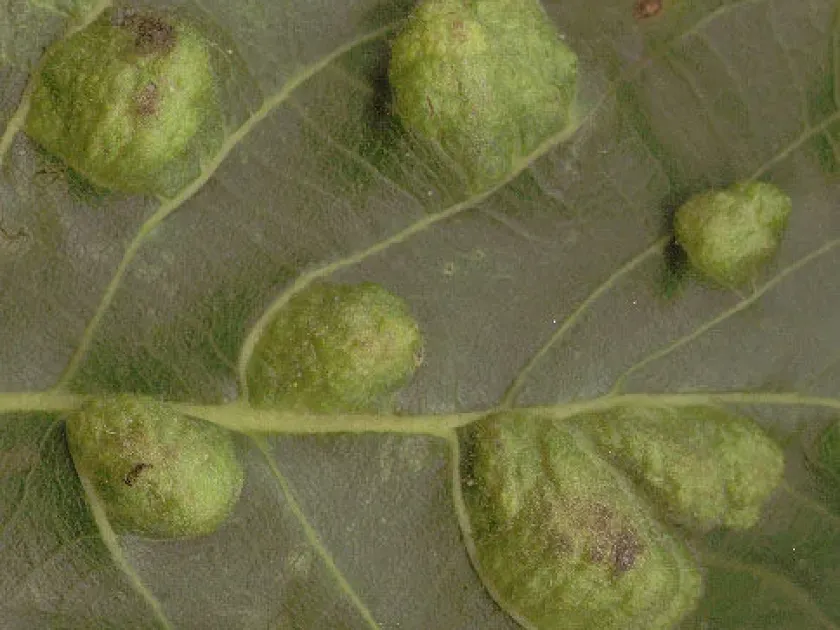
The most distinctive symptom of infestation is the appearance of numerous small, raised galls on the leaves of the walnut tree.
These galls often look like tiny, wart-like protrusions on the lower surface of the leaf, sometimes turning brown or black as they age.
- Yellowing or chlorosis of the leaf tissue surrounding the galls.
- Visible curling and twisting of young leaves.
- Premature leaf drop if the infestation levels are extremely high.
- Stunted development of terminal shoots during the growing season.
- Reduced overall health and decorative appeal of the tree.
Inspecting the undersides of leaves during late spring is the best way to confirm the presence of the pest in an orchard.
Control measures
Effective control relies on the timely application of acaricides, especially when mites are exposed during their migration from buds to leaves.
Sulfur-based sprays are commonly used as an early-season intervention to suppress mite populations before they establish protective galls.
Systemic insecticides or specialized miticides can be employed if the infestation is severe and threatens the overall productivity of the trees.
Sanitation practices, such as pruning and destroying heavily infested branches during the dormant season, help reduce the overwintering population.
Integrated pest management should include monitoring and maintaining tree vigor through proper fertilization to improve the tree's resilience.
Taxonomy
- Latin name
- Phytoptus quadrisetus
- Order
- Mites
- Family
- Phytoptidae
- EPPO code
- PHTPQU
Discussion
No discussions yet — be the first.