
Gall mite
Phytoptus
Description
How to identify
The gall mite (Phytoptus) belongs to the Eriophyidae family (four-legged mites), within the Trombidiformes order. These are extremely small pests, typically 0.1–0.3 mm in length, making them invisible to the naked eye.
They possess a worm-like or spindle-shaped body, which is usually pale white or yellowish. Unlike other mite species, they are equipped with only two pairs of legs, situated near the head region.
The life cycle of the gall mite is hidden within plant tissues or inside dormant buds. Their reproductive potential is high, with several generations (up to 7) occurring throughout a single growing season.
Adult females overwinter in protected areas such as bud scales, leaf axils, or bark crevices. As temperatures rise above +10°C in the spring, they emerge to colonize newly developing leaves and shoots.
Dissemination is largely passive, facilitated by wind currents, insects, birds, and human activities such as moving infested nursery stock or using contaminated pruning tools.
What it damages
Gall mites are highly host-specific pests that primarily target perennial woody plants. Common hosts include grapevines (grape erineum mite), pear, plum, apple, as well as landscape trees like linden and alder.
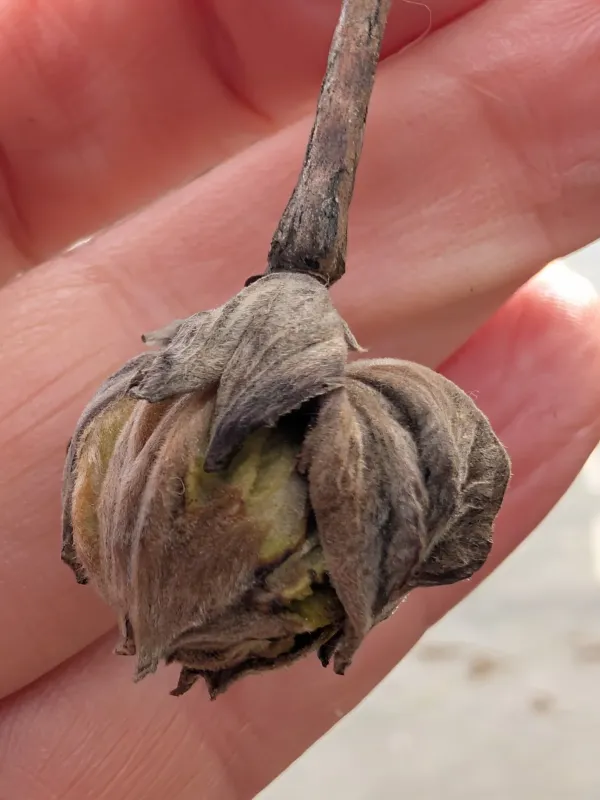
Damage is caused by the mite’s feeding behavior: they puncture plant cells and inject saliva, triggering a hormonal response in the plant that results in the formation of galls (abnormal tissue growth).
These galls interfere with the photosynthetic capacity of the leaves, weakening the plant's overall vigor. In cases of severe infestation, leaves may fall prematurely, leading to reduced vitality and poor harvest.
Fruit quality is often compromised, resulting in undersized, deformed, or discolored produce. Bud infestation can lead to stunted shoot development or the complete failure of buds to break in the spring.
On grapevines, the activity of these mites leads to the formation of dense felt-like patches on the underside of leaves, which can decrease the overall productivity of the vineyard significantly.
Signs of infestation
The most prominent sign of infestation is the development of galls — characteristic bumps, swellings, or warts on the leaf surface. These can vary in color from light green to bright red or dark brown.
The presence of dense, hairy, felt-like patches on the underside of the leaves is a hallmark symptom. These patches are initially white but turn tan or rusty-red as the tissue ages and oxidizes.
Leaf curling, crinkling, or deformation in newly emerged foliage are common indicators that the mites have successfully colonized the buds during the early stages of growth.
Stunted growth of new shoots and the premature drying of branch tips are major physiological impacts observed in heavily infested plants.
- Raised bumps or wart-like growths on the top of leaves.
- Felt-like patches on the underside of the leaf surface.
- Distorted, curled, or crinkled young leaf growth.
- Buds that fail to open or appear dry and stunted.
- Poor fruit development and reduced harvest quality.
Control measures
Controlling gall mites is challenging because the pests are shielded by plant tissues. Systemic acaricides are the most effective chemical intervention for managing active mite populations.
Applications should be timed during the migration phase, specifically when buds begin to swell or immediately post-bloom. Sulfur-based treatments are also highly recommended due to their contact and residual effects.
Cultural practices are essential for long-term management: pruning and disposing of infested branches and removing fallen leaves in autumn help reduce the population that survives winter.
Sourcing clean, certified nursery material is the primary step in preventing the introduction of the pest to new orchards or vineyards. Always disinfect tools after working on infected plants.
In integrated pest management programs, fostering the presence of predatory mites (phytoseiids) can help suppress gall mite populations naturally without heavy reliance on broad-spectrum chemicals.
Taxonomy
- Latin name
- Phytoptus
- Order
- Mites
- Family
- Phytoptidae
- EPPO code
- PHTPSP
Discussion
No discussions yet — be the first.