
Horse chestnut leaf miner
Phytomyza heringiana
Description
How to identify
Phytomyza heringiana is a species of dipteran insect belonging to the leaf-mining fly family (Agromyzidae). While the adult flies are small and often go unnoticed, the larvae cause significant aesthetic and physiological damage to host trees.
These flies have a specialized life cycle that is synchronized with the growth of their primary host plants. The larvae develop entirely inside the leaf tissue, which serves as both their food source and their shelter from external environmental factors.
Taxonomically, the species is classified under the order Diptera, family Agromyzidae. Understanding the life cycle of these flies is essential for effective pest management in arboriculture and urban forest management.
The larvae are typically legless and adapted to boring through the leaf mesophyll. This specialized feeding behavior makes the pest relatively protected from many types of foliar insecticide sprays.
Adult flies emerge in the spring and early summer. They lay eggs directly into the leaf surface, ensuring that the hatched larvae have immediate access to the internal tissues of the horse chestnut leaves.
What it damages
The species primarily affects the horse chestnut tree (Aesculus hippocastanum). It is a host-specific pest, meaning it relies heavily on the presence of horse chestnut for its survival and propagation.
Larval feeding creates tunnels, known as mines, within the leaf. This destruction of the internal parenchyma layer inhibits photosynthesis, which directly impacts the tree's vigor and energy reserves for the following season.
Heavy infestations lead to premature yellowing, browning, and leaf drop. This can cause the tree to appear prematurely aged, often in the middle of the growing season, which significantly reduces the urban landscape's quality.
Weakened trees become more susceptible to secondary stressors, including drought, fungal diseases, and other insect pests. Chronic infestation can lead to a gradual decline in the tree's health over several years.
In high-density populations, the cumulative effect of hundreds of larval mines can lead to total defoliation of certain branches, creating an unsightly appearance in parks and home gardens.
Signs of infestation
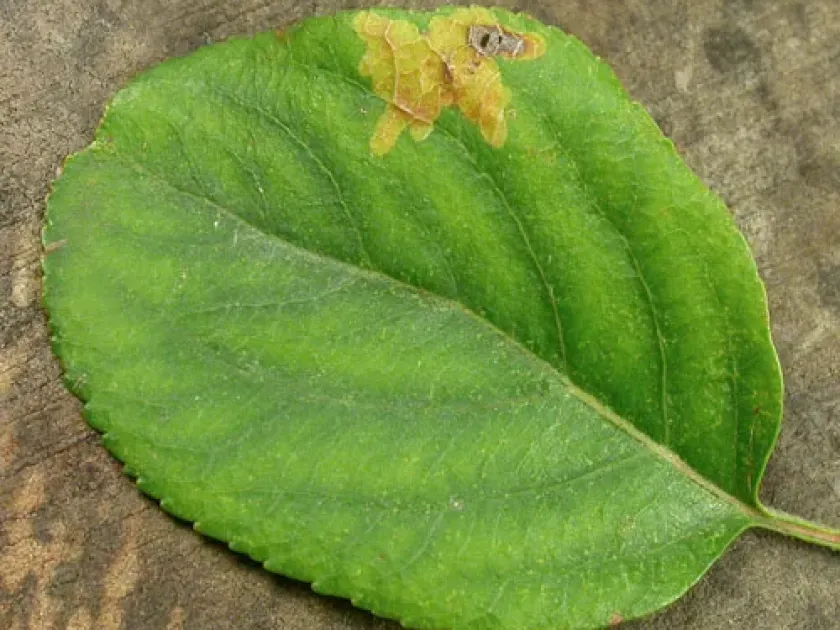
The earliest symptom is the appearance of winding, pale tracks on the leaf surface. As the larva grows, these tracks widen into blotch-like mines, following the feeding progression inside the leaf.
Upon closer inspection, one might notice dark frass (larval excrement) left inside the mines. The cuticle of the leaf remains intact, creating a thin, window-like appearance on the surface of the affected area.
Affected leaves tend to curl, deform, and dry out prematurely. This browning often begins at the leaf edges and spreads inwards, making the tree look as if it were suffering from a severe drought.
Fallen leaves beneath the tree often contain pupae. These overwinter in the leaf litter, ready to emerge as adults in the following spring, which explains why the same trees are often attacked year after year.
Distinguishing Phytomyza heringiana from other horse chestnut leaf miners requires a careful examination of the mine pattern, as different species leave characteristic trails unique to their biology.
Control measures
The most crucial cultural control practice is the systematic removal and destruction of fallen leaves during autumn. Since the pupae hibernate in the leaf litter, this effectively removes the primary source of re-infestation.
Systemic insecticides, particularly those containing neonicotinoids or abamectin, are highly effective against mining larvae. These chemicals are absorbed by the plant and move into the leaf tissue, targeting the larvae directly.
Pheromone or sticky traps can be used to monitor the presence and population density of adult flies. This helps to time the application of treatments for maximum efficacy, reducing the need for unnecessary chemical use.
Encouraging natural predators, such as parasitic wasps and predatory beetles, can help keep the population in check. Promoting a healthy ecosystem around the trees is a sustainable way to reduce dependency on synthetic pesticides.
- Dispose of leaf litter properly through burning or deep burial in authorized areas.
- Provide adequate watering and nutrition to trees to boost their natural defense mechanisms.
- Consult with local arborists to schedule treatments based on regional pest emergence patterns.
Taxonomy
- Latin name
- Phytomyza heringiana
- Order
- Diptera (flies)
- Family
- Agromyzidae
- EPPO code
- PHYYHE
Discussion
No discussions yet — be the first.