
Hellebore leaf miner
Phytomyza hellebori
Description
How to identify
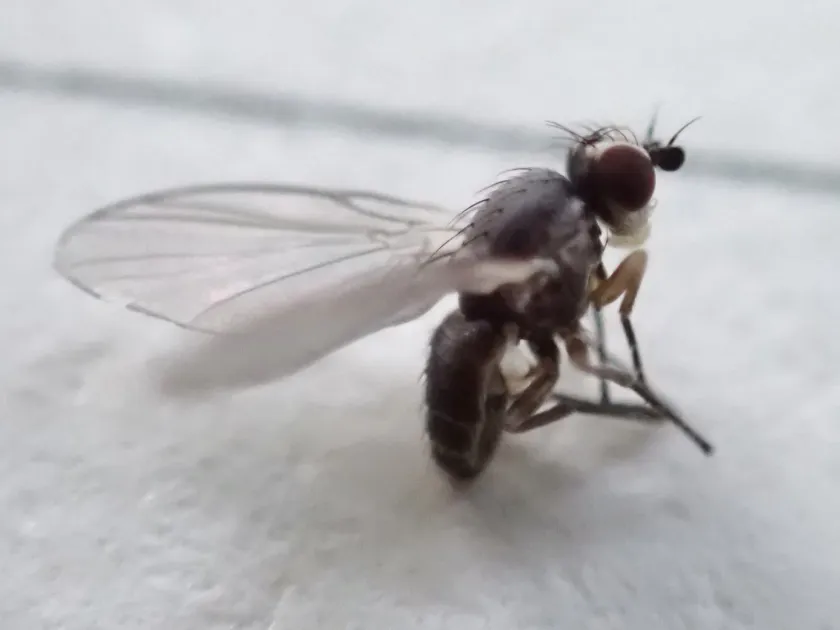
The Hellebore leaf miner (Phytomyza hellebori) is a small dipteran insect belonging to the family Agromyzidae, specifically adapted to feed on Helleborus species.
Adult flies are tiny and generally difficult to spot, making their presence known only once the damage to the leaves becomes clearly visible to the gardener.
The larval stage is the most active and damaging phase, as these larvae tunnel between the upper and lower surfaces of the leaves to feed on plant cells.
These insects have a specialized life cycle that is perfectly synchronized with the evergreen foliage production of their host plants.
The taxonomic classification places them within the order Diptera, highlighting their relationship to other common leaf-mining species found in temperate gardens.
What it damages
The primary hosts for this pest are members of the genus Helleborus, particularly those with persistent, leathery foliage that remains on the plant year-round.
Damage occurs when larvae create intricate tunnels (mines) that eventually turn brown, causing the leaf tissue to die prematurely.
Extensive mining significantly reduces the photosynthetic capacity of the plant, leading to a decline in overall vigor and reduced flower production.
In addition to structural damage, the wounds created by the larvae provide entry points for pathogens, potentially leading to fungal infections such as leaf spots.
Severe infestations often result in the yellowing and eventual shedding of the most affected leaves, which impacts the plant's aesthetic value and health.
Signs of infestation
The most diagnostic sign of an infestation is the presence of winding, pale, or whitish tracks on the upper surface of the Hellebore leaves.
Over time, these mines become larger and more irregular, often darkening as the leaf tissue dies and the larvae continue their development.
Looking at the leaf against bright light reveals the dark frass (excrement) left behind by the larvae as they progress through the tunnels.
Small circular feeding punctures on the leaf epidermis are an early indicator that adult flies are present and laying eggs on the foliage.
Plants appearing stunted or with unsightly, blotchy foliage during the spring are typical indicators of a previously established leaf miner population.
Control measures
The most recommended control strategy is the early removal and destruction of all infested leaves before the larvae emerge to pupate in the soil.
Maintaining garden sanitation by clearing away debris ensures that the life cycle of the leaf miner is disrupted effectively during the off-season.
For ornamental plants with heavy infestations, systemic insecticides can be used to treat the plant, as these are absorbed into the tissue to kill larvae.
Application of systemic products should be timed carefully, ideally during the period of adult activity to prevent the initial egg-laying on new foliage.
Encouraging natural predators and avoiding broad-spectrum pesticides helps maintain a balanced garden ecosystem that may reduce the severity of outbreaks.
Taxonomy
- Latin name
- Phytomyza hellebori
- Order
- Diptera (flies)
- Family
- Agromyzidae
- EPPO code
- PHYYHL
Discussion
No discussions yet — be the first.