
Angelica leaf miner
Phytomyza angelicae
Description
How to identify
The Angelica leaf miner (Phytomyza angelicae) is a small dipteran insect belonging to the family Agromyzidae. Adult flies are typically very small, ranging from 2 to 3 mm in length, with a dark body and transparent wings, making them difficult to spot without close inspection.
The larvae are legless, maggot-like, and pale in color. They spend their entire developmental stage hidden inside the leaf tissue, which provides them with constant access to food and protection from environmental conditions.
The life cycle of this pest is highly synchronized with the growth of its host plants. Females lay eggs directly under the epidermis of leaves, ensuring that hatching larvae immediately begin feeding on the plant's internal cells.
Multiple generations can occur throughout the growing season. This reproductive strategy allows the population to increase rapidly in favorable weather conditions, potentially causing severe damage to host crops.
Pupation usually takes place within the leaf mine or occasionally in the soil, depending on the species and environmental factors. This dual strategy helps the pest survive different climate conditions across various regions.
What it damages
The primary hosts for this pest are plants within the Apiaceae (umbelliferous) family. This includes wild angelica, as well as common culinary crops such as celery, parsley, parsnips, and carrots, which are particularly susceptible to infestation.
Larvae consume the leaf mesophyll, creating distinctive winding trails known as mines. This feeding behavior destroys photosynthetic tissue, which weakens the plant by reducing its energy-producing capacity and nutrient storage.
Heavy infestations lead to yellowing, wilting, and premature senescence of foliage. In severe cases, the entire leaf may dry out, causing significant yield losses and negatively impacting the plant's overall health.
The disruption caused by the mining process also leaves the foliage susceptible to opportunistic secondary infections, such as fungi and bacteria, which can cause further degradation of the crop quality.
This pest is most damaging during the active growth phase, as severe leaf loss early in the season significantly stunts plant development and reduces the final quantity and quality of the harvest.
Signs of infestation
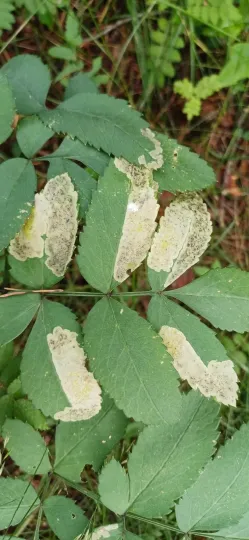
The most recognizable sign of infestation is the appearance of winding, pale-colored tracks on the leaf surface. These tracks expand as the larva grows, often creating intricate, labyrinth-like patterns on the foliage.
Small, dark, scattered deposits of frass (larval excrement) can often be seen inside the mines. These marks are a clear indicator that the larvae are active and that the plant is currently under attack.
Infected leaves often become deformed or crinkled as the mining damage accumulates. Over time, the affected areas become necrotic, turning brown and papery as the plant tissues die back.
Tiny exit holes may be visible on the surface of the leaves, marking the spots where the adult flies emerged after completing their development. These holes are usually found at the end of the wider sections of the mines.
Observation of high activity levels on the leaf surface, particularly in the spring, is often the first warning sign for growers to initiate monitoring or protective measures to prevent widespread damage.
Control measures
Controlling the Angelica leaf miner involves a combination of cultural practices and chemical interventions. Starting with deep autumn plowing helps destroy pupae overwintering in the soil, effectively reducing the initial spring population.
Effective weed management is essential, as many wild Apiaceae plants act as alternative hosts. Removing these weeds near cultivated areas reduces the likelihood of the pest migrating to the crop.
Biological control, such as encouraging natural parasitoids, is highly recommended. For commercial production, systemic insecticides are the most effective way to reach larvae hidden within the protected environment of the leaf tissue.
- Rotate crops to break the life cycle of the pest.
- Monitor adult fly presence using yellow sticky traps.
- Remove and destroy heavily infested plant material.
- Use biological preparations based on entomopathogenic organisms.
Taxonomy
- Latin name
- Phytomyza angelicae
- Order
- Diptera (flies)
- Family
- Agromyzidae
- EPPO code
- PHYYAN
Discussion
No discussions yet — be the first.