
Phytobia jucunda
Phytobia jucunda
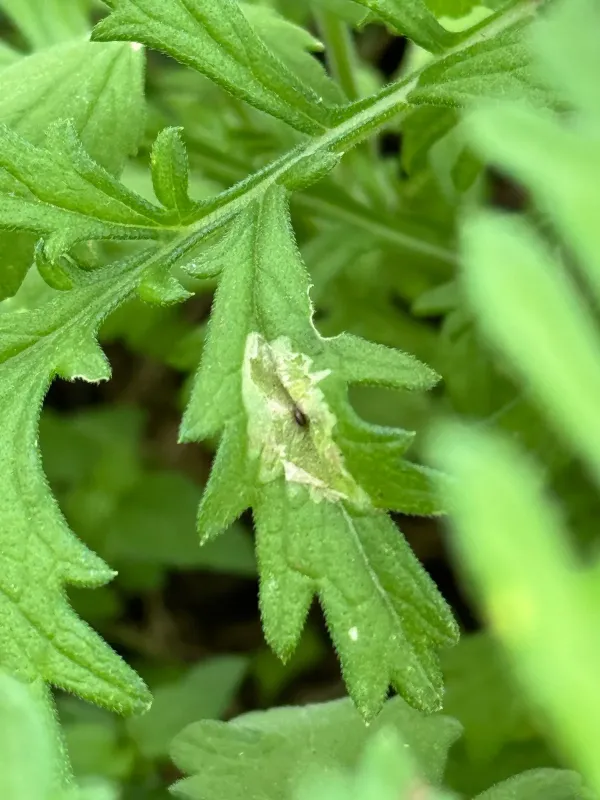
Description
How to identify
Phytobia jucunda is a member of the Agromyzidae family, commonly known as leaf miners, but this species exhibits unique behavioral traits. Unlike most agromyzids, its larvae specifically mine the cambium of trees.
The adult insect is a small fly typical of its family. However, the larval stage is the primary concern for arborists and foresters because the larvae remain hidden within the tree's trunk throughout their development.
The taxonomic position of this species within the order Diptera is well-documented, distinguishing it from other pests that only feed on leaf surfaces or bark cracks.
Identification often requires examining the internal structure of tree stems, as the exterior rarely shows signs of infestation until the damage is advanced.
Understanding the life cycle of Phytobia jucunda is essential for professionals aiming to minimize the impact of this hidden pest on wood quality and plant health.
What it damages
The primary damage caused by Phytobia jucunda is localized in the cambial layer of broad-leaved trees. By feeding on the cambium, the larvae disrupt the vascular activity essential for tree growth.
These mining activities create tunnels that distort the annual growth rings of the tree, significantly reducing the technical and aesthetic quality of the timber produced by the plant.
The tunnels also serve as entry points for secondary infections. Pathogenic fungi and bacteria can easily invade the wood through these holes, leading to internal decay and rot.
Chronic infestation weakens the tree's physiological status, potentially causing reduced vigor, leaf chlorosis, and in extreme cases, the death of branches or the entire specimen.
The economic impact is mainly associated with wood defects, which can render timber unsuitable for high-quality manufacturing or construction purposes.
Signs of infestation
Recognizing the presence of Phytobia jucunda is challenging due to the endophagic nature of the larvae. External symptoms are often limited to minor bark irregularities.
The most reliable sign of infection is the presence of brown, winding tracks visible on the surface of the wood when a log is sawn or when the bark is removed.
Adult emergence holes are tiny and scattered, making them nearly impossible to detect without specialized training and close observation of the tree trunk.
A decline in tree growth rate over several years can be an indicator of internal damage. However, this symptom is shared with many other biotic and abiotic stressors.
Specialists often perform microscopic analysis of wood samples or cross-sections to confirm the presence of these specific cambial mines, distinguishing them from other insect damage.
Control measures
Management of Phytobia jucunda is difficult because the larvae are protected inside the tree. Contact insecticides are generally ineffective against this type of pest.
Integrated Pest Management (IPM) strategies emphasize tree health maintenance, including proper irrigation and soil fertility, to enable trees to withstand internal damage.
Sanitation is a critical control measure. Heavily infested branches should be pruned and destroyed immediately to prevent the spread of the next generation of adults.
In high-value ornamental trees, systemic insecticides might be considered, provided they are applied in accordance with regional regulations and safety protocols for tree injections.
- Monitor tree stems for abnormal bumps or bark damage.
- Remove and destroy severely infested woody tissue.
- Promote the presence of natural predators like parasitic wasps.
- Ensure optimal growth conditions to boost tree resistance.
Taxonomy
- Latin name
- Phytobia jucunda
- Order
- Diptera (flies)
- Family
- Agromyzidae
- EPPO code
- CALZJU
Discussion
No discussions yet — be the first.