
Phytobia
Phytobia
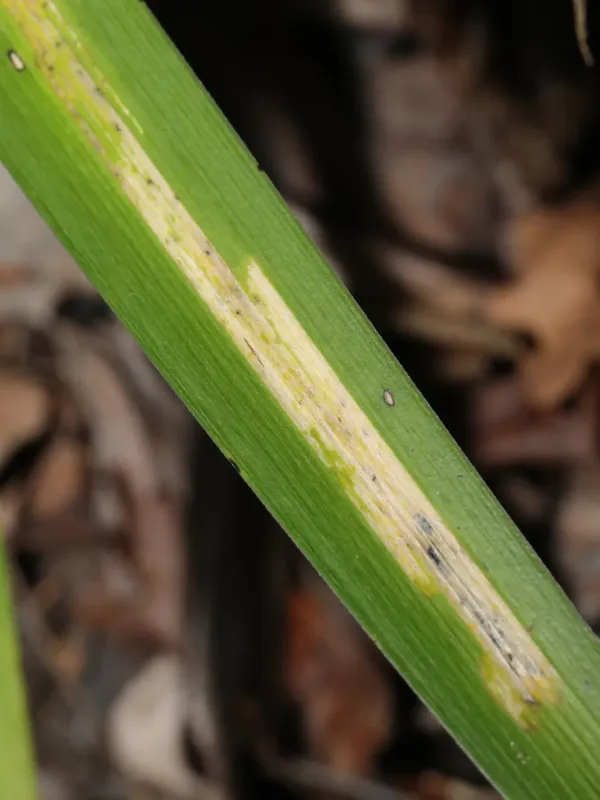
Description
How to identify
Phytobia is a genus of insects within the family Agromyzidae, commonly known as leaf-mining or cambium-mining flies. These insects are distinguished by their larvae, which have a unique ability to tunnel deep into the woody tissues of their host plants.
Adult Phytobia are small, inconspicuous flies, often black or brown, resembling other members of the Agromyzidae family. They possess specialized mouthparts used for oviposition, allowing the females to insert eggs beneath the protective layers of plant tissue.
The larvae are legless, maggot-like creatures that develop internally. Unlike many other leaf miners that stay strictly within the leaf mesophyll, Phytobia larvae are notable for their tendency to move into the cambium layer of twigs and branches.
The taxonomic classification of this genus is complex, with multiple species targeting specific host trees. Understanding the exact species is often necessary for effective management in forestry and landscaping.
Identification often relies on observing the characteristic damage patterns rather than the insects themselves, due to the secretive nature of both the adults and the developing larvae.
What it damages
The primary damage caused by Phytobia occurs when larvae bore into the cambium and xylem of young twigs and shoots. This physical disruption of vascular tissue interferes with the flow of water and nutrients.
Repeated or severe infestations lead to the weakening of the tree, stunted growth, and in some cases, the death of infested branches or terminal leaders, affecting the overall tree form.
These internal tunnels create entry points for secondary pathogens, such as fungi and bacteria, which can cause cankers, rot, and further structural degradation of the wood.
For young ornamental or fruit trees, Phytobia damage can lead to permanent structural defects, making the plant unsightly and reducing its commercial and aesthetic value.
In timber production, the presence of these mining tunnels degrades the quality of the wood, causing defects that can render logs unsuitable for high-grade furniture or construction use.
When it appears
The seasonal activity of Phytobia begins in the spring, triggered by rising temperatures and the onset of sap flow in host trees, which provides the necessary conditions for larval development.
The adult flight period typically spans from late spring through mid-summer. Monitoring using yellow sticky traps is most effective during this time to detect the start of the breeding season.
Developmental rates are heavily dependent on local climate conditions. In warmer regions, it is possible for multiple generations to occur, increasing the potential for cumulative damage throughout the growing season.
As autumn approaches, the larvae complete their development and prepare for overwintering. Most species of Phytobia enter diapause in the pupal stage, hidden within the bark or in the soil near the host tree.
Understanding the synchronization between the insect's life cycle and the host tree's phenology is key to predicting infestation risks and timing protective interventions.
Signs of infestation
Recognizing the signs of a Phytobia infestation early is difficult but essential for successful management. Look for subtle changes in the appearance of young, vigorous twigs.
Key symptoms and diagnostic signs include:
- Spiral or winding patterns on the bark of young shoots and branches.
- Wilting of terminal growth during the peak of the growing season.
- Small exit holes created by emerging adults when they leave the wood.
- Evidence of necrotic streaks on cross-sections of damaged twigs.
- Reduced vigor and chlorosis of leaves on heavily infested branches.
Regular inspections of nursery stock and young trees are recommended to identify these signs before the damage becomes extensive.
Control measures
Effective control of Phytobia involves an integrated pest management (IPM) approach that combines cultural practices with targeted chemical applications.
Cultural methods include the timely pruning and destruction of infested branches to remove larvae before they emerge, which is often the most practical step for managing small infestations.
Chemical control focuses on the use of systemic insecticides that are absorbed into the plant vascular system, reaching the larvae living deep within the bark and cambium where contact sprays would be ineffective.
Biological control, while still being researched, includes the promotion of natural parasitoids, such as specific hymenopterans, which are known to prey on Agromyzidae larvae.
Always adhere to local agricultural regulations and ensure that systemic treatments are applied when the tree is actively transpiring to maximize the distribution of the active ingredient.
Taxonomy
- Latin name
- Phytobia
- Order
- Diptera (flies)
- Family
- Agromyzidae
- EPPO code
- PHYBSP
Discussion
No discussions yet — be the first.