
Phytagromyza
Phytagromyza
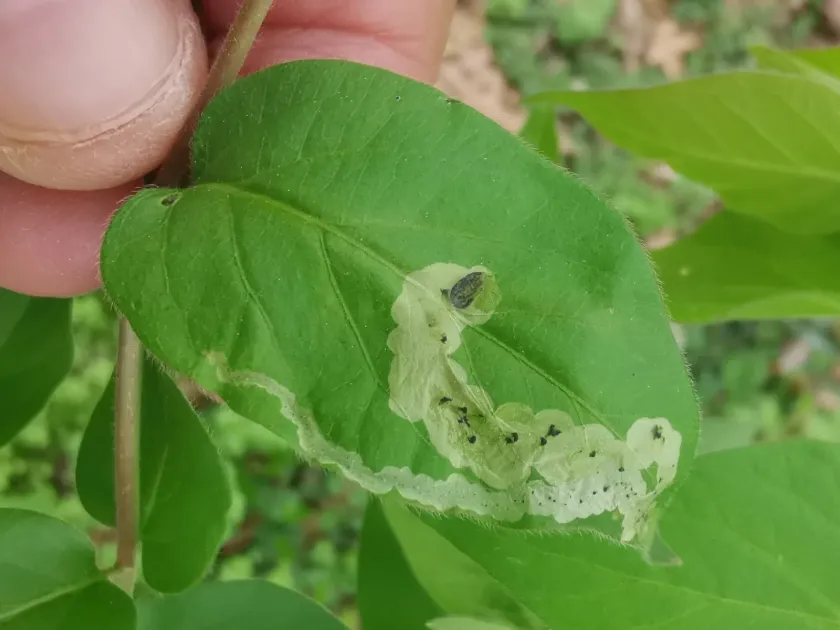
Description
How to identify
Phytagromyza is a genus of insects belonging to the family Agromyzidae, order Diptera. These are commonly known as leaf-mining flies due to the larvae's feeding habits.
The adult flies are small, typically dark-colored, and inconspicuous. They possess a complex mouthpart structure capable of piercing plant tissues for both feeding and oviposition.
The larvae are typically legless and maggot-like, evolved to live entirely within the narrow spaces between the epidermal layers of plant leaves.
The life cycle undergoes complete metamorphosis, consisting of four distinct stages: egg, larva, pupa, and adult, with development speed highly dependent on ambient temperature.
Overwintering usually occurs as pupae within the soil or in the stem bases of host plants, allowing them to remain protected until favorable spring conditions arrive.
What it damages
Phytagromyza species impact a variety of ornamental plants, trees, and field crops. They are particularly detrimental to plants that rely on extensive leaf surface area for growth.
By consuming the parenchyma tissue between the leaf surfaces, the larvae destroy the plant's food-producing machinery, specifically the chloroplast-containing cells.
This feeding behavior creates characteristic "mines" or tunnels that expand as the larva grows, eventually leading to chlorosis, tissue desiccation, and early leaf drop.
Plant vigor is significantly compromised, leading to stunted growth and reduced yields in crop-producing species due to the permanent loss of photosynthetic capacity.
In ornamental horticulture, the cosmetic damage caused by these leafminers renders the plants unsellable and diminishes their visual quality for landscaping purposes.
Signs of infestation
The earliest symptom is the presence of pale, thin, winding trails on the leaf surface, which become more pronounced as the larvae consume more plant tissue.
The tunnels often display a linear or serpentine pattern. Closer inspection with a magnifying glass reveals fine, black frass (excrement) scattered along the interior of the mines.
Severe infestations result in entire leaves turning brown and brittle. Often, the leaf edges will curl inward as the internal structural integrity of the leaf is destroyed.
Affected leaves may fall prematurely, even during the active growing season, leading to noticeable defoliation of the host plant in heavy infestation cases.
Small, translucent exit holes on the surface of the leaf indicate that the larva has completed its feeding phase and exited the leaf to pupate elsewhere.
Control measures
Integrated pest management (IPM) is crucial. Cultural controls like field sanitation, which involves removing and burning infested leaves, help break the pest's cycle.
Deep tilling at the end of the season helps bury pupae, preventing adult flies from emerging in the spring and reducing the overall population pressure on new crops.
Systemic insecticides are generally required for control since the larvae are protected inside the leaf; contact sprays are ineffective against the feeding stages.
Biological control agents, such as parasitoid wasps that specifically hunt leafmining larvae, can be highly effective in maintaining low pest population levels.
- Use of sticky yellow traps for population monitoring.
- Selection of resistant plant varieties.
- Proper weed control to remove alternate hosts.
- Timely application of systemic pesticides.
- Rotation of crops to disrupt local pest cycles.
Taxonomy
- Latin name
- Phytagromyza
- Order
- Diptera (flies)
- Family
- Agromyzidae
- EPPO code
- PHYMSP
Discussion
No discussions yet — be the first.