
Physa acuta
Physa acuta
Description
How to identify
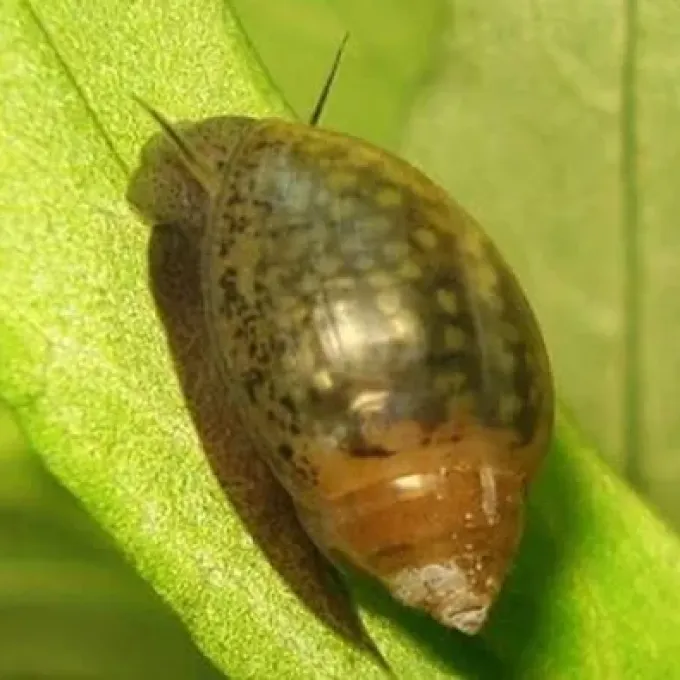
Physa acuta, commonly known as the bladder snail, is a small freshwater mollusk belonging to the family Physidae. The shell of an adult is typically 7 to 12 mm long and exhibits a characteristic pointed, tapered shape.
A key diagnostic feature is the sinistral (left-handed) aperture of the shell, which distinguishes it from many other common freshwater snail species. The shell is thin, smooth, and often transparent.
The snail's soft body is dark in color, ranging from grey to black. They are highly mobile, using their muscular foot to navigate efficiently across submerged surfaces within aquatic environments.
This species is extremely resilient, showing high tolerance to varying water temperatures and chemical conditions, which allows it to thrive in artificial habitats like hydroponic systems.
Being hermaphroditic and capable of self-fertilization, Physa acuta can rapidly establish large populations from a single introduced individual, making it a challenging pest.
What it damages
In agricultural settings, particularly in hydroponics and aquaponics, Physa acuta is considered a problematic pest due to its impact on infrastructure and plant health.
The primary damage occurs through the clogging of irrigation components, such as pipes, drippers, and filtration systems, which disrupts the uniform distribution of nutrients to plants.
The snails feed on biofilms and algae covering the root systems, which can lead to the incidental grazing of delicate root hairs, impeding nutrient uptake and plant vigor.
At high densities, these mollusks may actively graze on the root tissue of crops, causing physical damage that creates entry points for fungal and bacterial infections.
Furthermore, their metabolic waste adds organic matter to the nutrient solution, which can degrade water quality and create a breeding ground for various water-borne pathogens.
Signs of infestation
An early indicator of an infestation is a noticeable drop in flow rates within the irrigation system or the sudden failure of small pumps due to physical blockage.
The presence of small, clear, gelatinous masses attached to the walls of reservoirs or irrigation equipment provides clear evidence of ongoing reproduction.
Visual inspection often reveals adult snails attached to the inner surfaces of pipes or clustered around the root zones of the cultivated plants.
Damage to the root system is manifested by the browning and thinning of root tips, often accompanied by a visible film of mucus left behind by the snails.
A general decrease in plant vitality, including yellowing leaves and reduced growth rates, often occurs when snail populations grow large enough to disrupt the root environment.
Control measures
Prevention is the most effective management strategy; this includes installing fine-mesh filters on all water intake lines to keep out snails and their eggs.
Regular mechanical cleaning of reservoirs and pipe networks is essential to remove adults and clear away egg masses that may be hidden in stagnant areas.
The use of UV-C sterilization systems in the nutrient delivery loop is highly recommended, as it effectively destroys snail larvae and eggs in the circulating water.
Maintaining high sanitary standards by removing organic debris, such as dead leaves or root slough, reduces the available food source and limits population growth.
In severe cases, manual removal or the use of targeted snail traps can help reduce the density of the population without the need for harsh chemical treatments.
Taxonomy
- Latin name
- Physa acuta
- Order
- Molluscs
- Family
- Physidae
- EPPO code
- PHSAAC
Discussion
No discussions yet — be the first.