
Physa
Physa
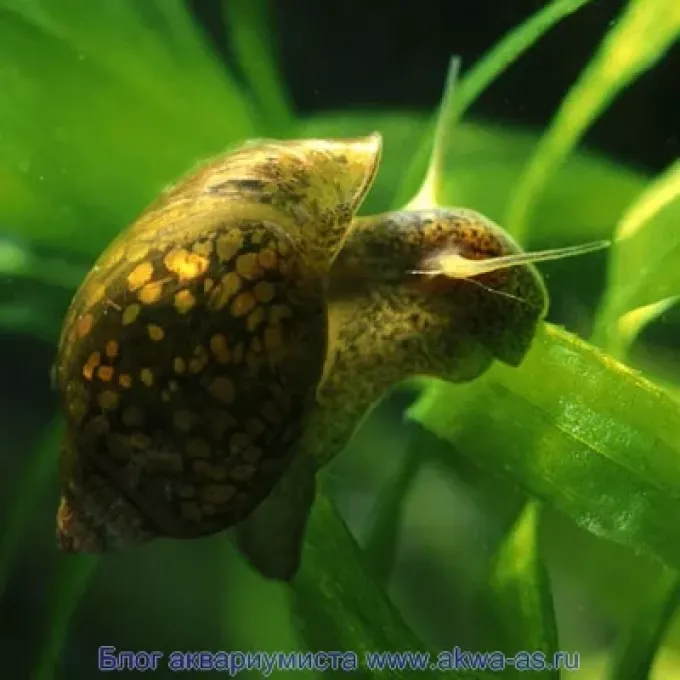
Description
How to identify
Physa is a genus of small, air-breathing freshwater snails belonging to the family Physidae. They are easily identified by their sinistral (left-handed) shell, which is thin, oval, and glossy in appearance.
These snails possess a large, muscular foot and a mantle that may have digitiform (finger-like) processes. Notably, they lack an operculum, meaning they cannot seal their shells, which makes them vulnerable to desiccation.
Physa snails are hermaphroditic and highly reproductive. Their eggs are laid in gelatinous clutches attached to hard surfaces or plant leaves, which allows them to spread rapidly throughout aquatic systems.
They thrive in slow-moving water and are frequently found in hydroponic channels, nursery tanks, and greenhouse irrigation systems where organic matter is readily available.
Their ability to adapt to varying water quality and lower oxygen levels makes them a persistent pest that can quickly colonize artificial environments if left unchecked.
What it damages
The primary damage caused by Physa involves the rasping of tender plant tissues using their radula. They feed on leaves and young stems, creating noticeable holes and skeletonized areas on the foliage.
In hydroponic setups, they can destroy entire seedling populations by consuming the tender roots and shoots, significantly hindering plant establishment and overall growth rates.
These mollusks act as vectors for various plant pathogens. By wounding the tissue of the plants during feeding, they facilitate the entry of bacteria and fungi, leading to rot and systemic infections.
Large populations cause mechanical issues by clogging filtration systems, emitters, and irrigation lines with their mucus and waste products, leading to inefficient water distribution.
The presence of dense snail colonies can also alter the water chemistry in closed loops, potentially increasing nutrient loading and promoting the growth of opportunistic pathogens.
Signs of infestation
One of the most obvious signs is the appearance of distinct feeding patterns on leaves, such as irregular holes or thin, translucent tracks where the epidermis has been consumed.
Clutches of eggs, appearing as translucent or jelly-like blobs with tiny dark spots, can be found adhered to the undersides of leaves or along the sides of tanks and tubing.
Direct observation of the snails themselves, particularly during nighttime or early morning hours, confirms an active infestation within the irrigation or growing system.
The accumulation of mucus trails on stems and equipment surfaces is a hallmark of Physa activity, even when the snails themselves are hidden in crevices or pipes.
Plants affected by these pests often show signs of stress, including chlorosis, drooping, and a general lack of vigor due to the constant wounding and associated pathogen exposure.
Control measures
Mechanical removal is the most direct approach. Regularly inspecting equipment and hand-picking snails, or using vegetable-based traps, can significantly lower population numbers without harsh chemicals.
Cultural practices, such as maintaining a clean growing environment by removing debris and algae, are essential. Preventing the accumulation of organic matter limits the available food source for the snails.
Quarantine and disinfection of all new plant material prior to introducing it into the main system is a critical preventive measure. Rinsing plants in mild salt solutions can dislodge adult snails and their eggs.
Chemical control should be used as a last resort, focusing on iron phosphate-based molluscicides which are safer for plant health compared to traditional metaldehyde-based products.
In some professional hydroponic setups, integrating biological controls or optimizing water filtration can help maintain low snail populations without compromising the safety of the crop.
Taxonomy
- Latin name
- Physa
- Order
- Molluscs
- Family
- Physidae
- EPPO code
- PHSASP
Discussion
No discussions yet — be the first.