
Phylloxera
Phylloxerina
Description
How to identify
Grape phylloxera (Phylloxerina vitifoliae) is a member of the Phylloxeridae family within the order Hemiptera. This tiny, aphid-like insect is one of the most destructive pests in the history of viticulture, specifically targeting grapevines.
The insect presents multiple forms: root-dwelling (radicicola), leaf-dwelling (gallicola), winged, and sexual. The root form, which is the most economically damaging, consists of tiny, yellowish, wingless females that live and feed underground.
The reproduction cycle is highly efficient, often involving asexual reproduction. One female can produce multiple generations in a single season, allowing populations to explode within a vineyard if not managed properly from the outset.
Physiologically, phylloxera has evolved to survive by inducing structural changes in the host plant tissues. By injecting saliva during feeding, they manipulate plant cell growth to create a constant supply of nutrients.
Identification is difficult due to their microscopic size and subterranean lifestyle. The insects are often found in clusters on the roots, where they remain relatively stationary while feeding on the sap of the vine.
What it damages
Phylloxera primarily damages Vitis vinifera vines. The root-dwelling form feeds on fine roots, causing the formation of small galls (nodosities) and larger, woody swellings (tuberosities) on older roots, which eventually block sap flow.
The leaf-dwelling form creates characteristic galls on the undersides of leaves. While less lethal than the root form, this can significantly reduce photosynthetic capacity, especially in young vines or nurseries.
As roots are damaged, the vine loses its ability to absorb water and nutrients efficiently. This manifests as stunted growth, yellowing leaves (chlorosis), and poor yield, eventually leading to the death of the entire plant.
The feeding sites created by the insect act as entry points for secondary soil-borne pathogens, such as fungi and bacteria. This complex interaction often leads to rapid vine decline and the total collapse of the root system.
The rate of damage depends on soil type; heavy clay soils allow for easier insect movement through cracks, whereas sandy soils significantly inhibit the spread of the pest, a fact historically used to save certain vineyards.
When it appears
Activity typically begins in the spring when soil temperatures rise above 10-12°C. The dormant first-instar larvae, which have overwintered on the roots, resume feeding and development.
Summer is the peak period for reproduction, with temperatures between 25°C and 28°C favoring rapid population growth. During this time, multiple overlapping generations occur simultaneously on the vine roots.
In autumn, as temperatures drop, the metabolic rate of the insects decreases. The larvae settle into winter dormancy, finding shelter deep within the soil cracks or within the bark of the vine's rootstock.
The severity of seasonal infestation is influenced by local moisture levels and soil structure. While drought can stress the vine and make it more susceptible, excess moisture during warm periods can facilitate the spread of the insect.
Vineyard managers must monitor the vine roots and foliage throughout the growing season to detect the initial onset of an infestation, as late detection often leads to significant economic loss.
Signs of infestation
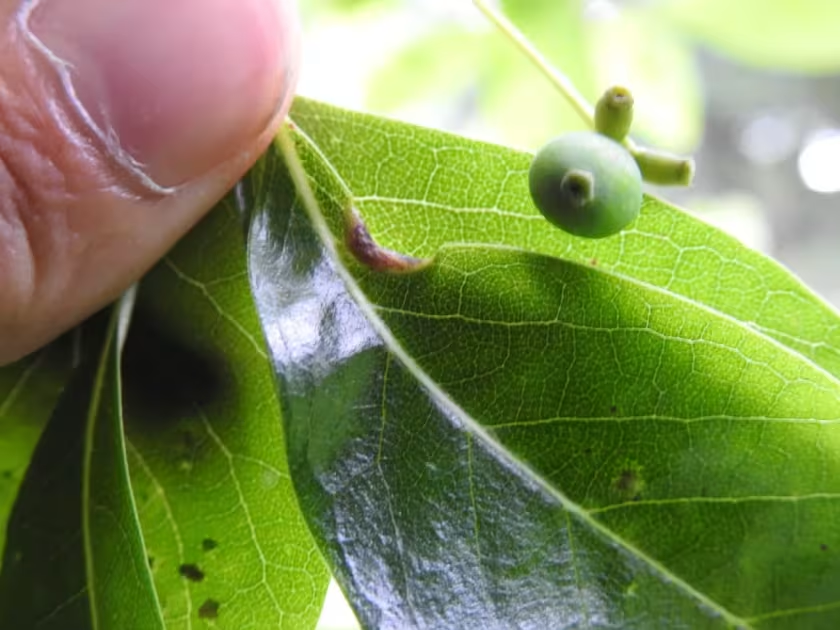
The most visible sign of the leaf-dwelling form is the presence of small, wart-like galls on the leaves. These often appear in early summer and can affect a large percentage of the canopy if the population is high.
Signs of root infestation are often indirect: general decline, lack of vigor, and poor growth. Because the damage is underground, affected vines often appear weaker compared to their healthy neighbors in the same block.
Physical inspection of the roots reveals small, pale, yellow-green swellings known as nodosities. On older roots, larger, brown-colored galls (tuberosities) indicate long-term infestation and severe damage.
Infected vines eventually show signs of water stress even during adequate irrigation, as the damaged root system can no longer function to pull sufficient moisture from the soil profile.
Field diagnosis often involves taking soil core samples and carefully washing the roots to inspect for the presence of the tiny, yellow insects, which are often found attached to the root surface.
Control measures
The primary and most effective method of control is the use of phylloxera-resistant rootstocks. By grafting susceptible wine grapes onto these resistant rootstocks, vineyard owners can largely prevent fatal damage.
Strict quarantine and biosecurity measures are essential to prevent the spread of the pest. This includes inspecting nursery stock and ensuring that machinery entering the vineyard is thoroughly cleaned to prevent soil transfer.
Chemical control is rarely effective against the root form due to the difficulty of reaching the pests deep in the soil. However, systemic insecticides can be used to manage leaf-dwelling populations.
Cultural management, including deep flooding of vineyards where the soil permits, has been used historically to suffocate the insects, though this method is logistically challenging and not feasible in most modern settings.
- Utilizing resistant rootstocks for all new plantings.
- Enforcing strict quarantine protocols for imported stock.
- Monitoring soil and foliage for early detection.
- Implementing vineyard hygiene to prevent soil movement.
- Removing and destroying heavily infested vine blocks.
Taxonomy
- Latin name
- Phylloxerina
- Order
- Hemiptera (bugs, aphids, leafhoppers)
- Family
- Aphididae
- EPPO code
- PHXNSP
Discussion
No discussions yet — be the first.