
Oak leaf miner
Phyllonorycter messaniella
Description
How to identify
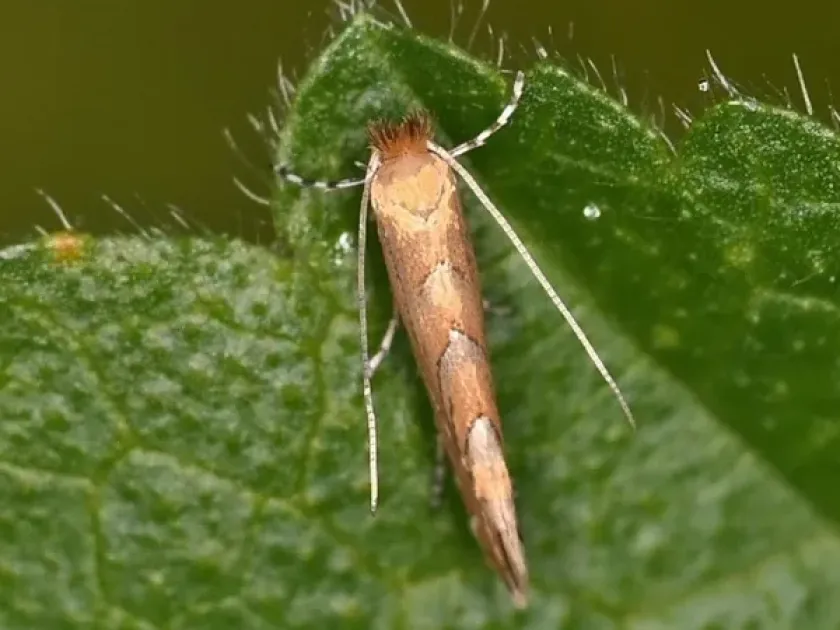
The oak leaf miner (Phyllonorycter messaniella) is a species of moth in the family Gracillariidae. It is a tiny insect with a wingspan of approximately 7 to 9 millimeters.
The adult moth features golden-brown forewings with distinct white transverse streaks, which provide excellent camouflage against the bark of host trees.
The larvae are specialized leaf-miners, possessing a flattened body structure that allows them to thrive within the internal tissue of the leaf.
Pupation occurs inside the mine created by the larva, often protected by a silken cocoon that helps the insect survive periods of dormancy.
Due to their minute size and nocturnal habits, the adults are rarely seen, making the visual observation of leaf damage the primary method for identification.
What it damages
While the primary host plant is the oak tree, this pest is known to infest other hardwood species, including beech, chestnut, and hornbeam, posing a risk to forest diversity.
The larvae feed by creating mines on the undersides of leaves, consuming the green mesophyll tissue and disrupting the photosynthetic capacity of the plant.
Heavy infestations lead to leaf chlorosis, premature senescence, and early leaf drop, which significantly weakens the tree's physiological status before winter.
Repeated damage over several growing seasons can lead to stunted growth, loss of aesthetic value in urban landscapes, and decreased tree vigor.
In high density, the cumulative damage can result in almost complete defoliation of the crown, creating substantial stress for the host tree.
When it appears
The life cycle of the oak leaf miner is temperature-dependent and can include multiple generations within a single growing season in temperate climates.
Overwintering typically occurs in the pupal stage within fallen leaves, making the ground layer under the trees a critical habitat for the species during the cold season.
Adult emergence in the spring generally coincides with the bud break of oak trees, ensuring the larvae have an immediate food source upon hatching.
Peak infestation levels are usually observed in mid-summer, driven by the overlapping generations of the moth as the population rapidly increases.
As autumn progresses and leaves fall, the insects complete their final development stage, remaining dormant within the fallen leaf litter until the following spring.
Signs of infestation
The most visible symptom is the presence of pale, wrinkled, or tent-like mines on the undersurface of the foliage, which are specific to the species.
The upper surface of the affected leaf typically exhibits yellowing or browning as the internal tissues are consumed and the leaf begins to die.
- Pale tentiform mines on the underside of leaves.
- Yellowing and necrosis of the upper leaf surface.
- Premature yellowing and leaf shedding in late summer.
- Visible hollow areas inside the leaf when held against light.
During severe outbreaks, the entire canopy may appear discolored or bronze-tinted, signaling widespread mining activity throughout the tree crown.
Control measures
Sanitation is the most effective cultural practice; collecting and destroying fallen leaves during autumn removes the overwintering pupae from the environment.
Systemic insecticides can be applied during the early stages of larval development to target the pests before they create significant damage inside the leaves.
Encouraging biological control agents, such as parasitic wasps, plays a vital role in keeping moth populations below economic thresholds in forest ecosystems.
Maintaining tree vigor through proper hydration and soil nutrition helps mitigate the impact of infestations and improves the recovery rate of the foliage.
Pheromone traps are highly recommended for monitoring adult flight activity, allowing for targeted chemical or biological interventions only when necessary.
Taxonomy
- Latin name
- Phyllonorycter messaniella
- Order
- Lepidoptera (butterflies)
- Family
- Gracillariidae
- EPPO code
- PRYCME
Discussion
No discussions yet — be the first.