
Apple leaf miner
Phyllonorycter elmaella
Description
How to identify
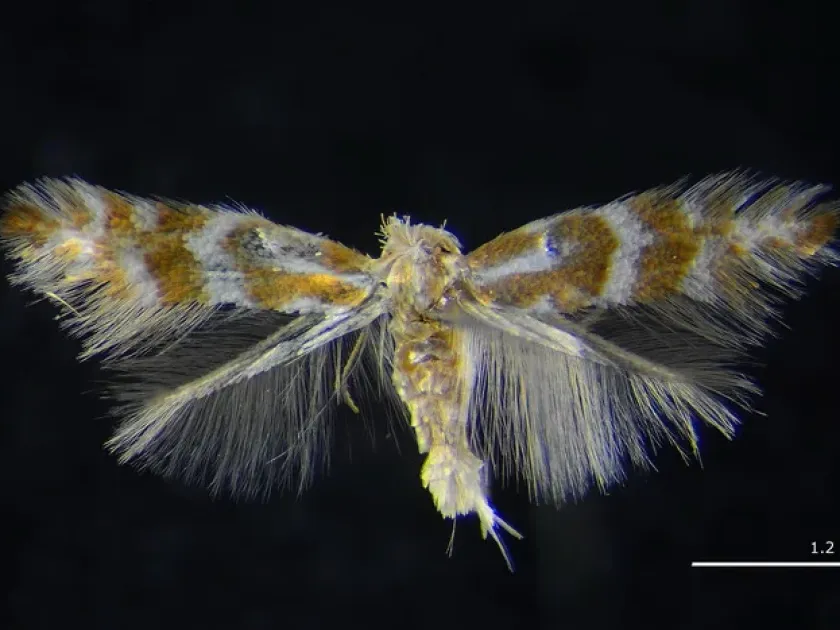
The apple leaf miner (Phyllonorycter elmaella) is a small moth belonging to the Gracillariidae family. Adult moths are characterized by a small wingspan of approximately 7–9 mm and a distinct brownish-white pattern on their forewings, which camouflages them well against tree bark.
The life cycle consists of the egg, larval (caterpillar), pupal, and adult stages. The larvae are the primary damaging stage, specifically adapted for leaf-mining within the epidermal layers of the apple leaves. Pupation typically occurs within the mine itself, protected by a silken cocoon.
This species typically undergoes multiple generations per season, allowing the population to build up rapidly if not monitored. The timing of each generation is highly dependent on ambient temperatures and the microclimate within the orchard canopy.
Overwintering occurs as pupae within fallen leaves on the orchard floor. This specific behavior is a key target for sanitation-based pest management strategies aimed at reducing initial spring populations.
Because the moths are tiny and nocturnal, detection often relies on identifying the characteristic mines left by larvae rather than observing the adults directly.
What it damages
The apple leaf miner predominantly affects apple trees, though it can occasionally be found on related rosaceous species. Damage is caused by larvae mining between the epidermal layers of the leaf, consuming the internal photosynthetic tissue.
Each mine creates a localized area of dysfunction where photosynthesis is halted. In cases of high infestation, the cumulative loss of green leaf area significantly restricts the tree's ability to produce sugars, leading to reduced fruit size and poor tree vigor.
Severe infestations often result in premature leaf drop, particularly late in the season. This premature defoliation weakens the tree's energy reserves, negatively impacting the development of flower buds for the following season and making the tree more susceptible to winter injury.
The impact is most significant in commercial orchards where fruit quality is paramount. A high number of mines per leaf can affect the marketability of the fruit and may necessitate increased chemical intervention, which increases production costs.
Environmental stress, such as drought or heat waves, exacerbates the damage, as the tree has less capacity to compensate for the reduction in functional foliage caused by the miners.
Signs of infestation
The most reliable sign of infection is the presence of whitish or light-colored blotch-like mines on the underside of the leaves. As the larvae develop, the area may become slightly raised or puckered due to the silk webbing pulling the leaf tissues inward.
On the upper leaf surface, irregular yellowing or necrotic patches typically appear directly above the mines. Eventually, heavily infested leaves may curl or fold along the midrib, leading to a general unhealthy appearance of the canopy.
When held up to a strong light source, the larvae or their compact piles of frass (excrement) can be seen inside the mines. This is a definitive diagnostic feature for differentiating these mines from fungal leaf spots or other insect damage.
The sudden appearance of small moths fluttering around the branches when shaken, especially during the bloom or early fruit development stages, is a sign that egg-laying is occurring.
Significant leaf drop starting in late summer, despite adequate irrigation, is a strong indicator that the orchard is experiencing a high-pressure infestation of apple leaf miners.
Control measures
Sanitation is a cornerstone of management. Removing and composting, mulching, or burning fallen leaves during late autumn or early spring effectively destroys the majority of the overwintering pupae, significantly reducing the initial infestation pressure.
Chemical control must be timed precisely to target the young larvae as they emerge from their eggs. Once the larvae have entered the leaf tissue and formed a protective mine, they become much more difficult to reach with standard contact insecticides.
- Installation of pheromone traps to monitor adult flight and determine spray timing.
- Use of systemic insecticides registered for lepidopteran pests.
- Encouragement of natural enemies, such as parasitic wasps that prey on leaf miner larvae.
Effective management requires alternating between insecticide classes to prevent the development of resistance. Monitoring programs are essential to ensure that treatments are only applied when economic thresholds are met.
Maintaining a healthy orchard environment by fostering a population of generalist predators can provide partial biological control, helping to keep the leaf miner populations below the levels that require intensive intervention.
Taxonomy
- Latin name
- Phyllonorycter elmaella
- Order
- Lepidoptera (butterflies)
- Family
- Gracillariidae
- EPPO code
- PRYCEL
Discussion
No discussions yet — be the first.