
Phrixosceles
Phrixosceles
Description
How to identify
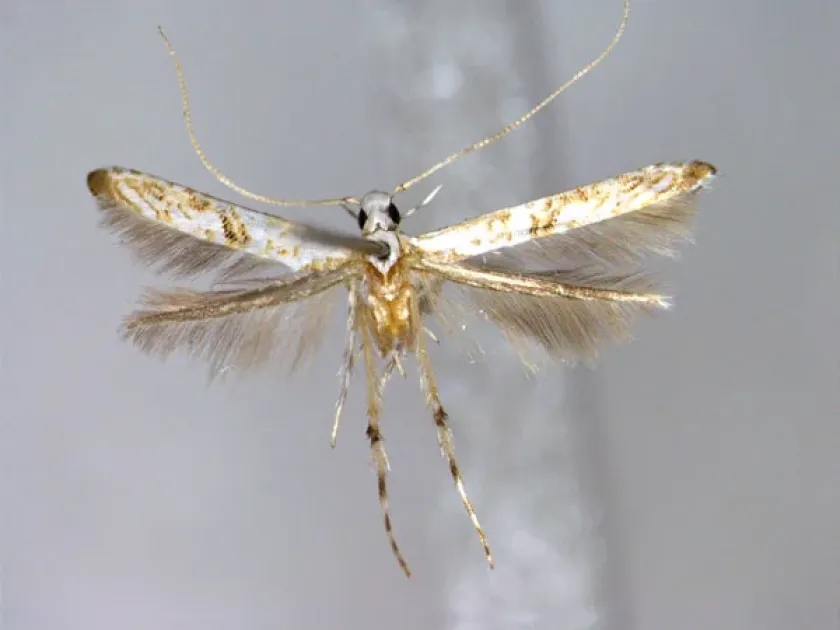
Phrixosceles is a genus of insects belonging to the order Lepidoptera and the family Gracillariidae. These moths are characterized by their small size and narrow, fringed wings typical of this taxonomic group.
Adult moths are primarily nocturnal, making them difficult to spot during routine daytime field inspections, which contributes to their stealthy nature.
The larval stage is the most significant in terms of agricultural impact, as the caterpillars possess specialized mouthparts for internal tissue consumption.
The morphology of the larvae, including their prolegs and movement patterns, is highly adapted for survival within the confined spaces of plant reproductive organs.
Their life cycle is highly dependent on environmental variables such as temperature and humidity, which dictate the number of generations per year.
What it damages
Phrixosceles primarily affects legumes, especially species within the Cajanus genus, causing severe damage to the developing pods and seeds.
The larvae bore into the pods, feeding directly on the seeds, which significantly reduces the yield both in quantity and quality for commercial use.
Secondary infections by pathogens often follow the larval feeding, leading to rotting or premature decay of the pods within the field environment.
The hidden nature of the feeding process means that damage often remains unnoticed until the late stages of infestation, making effective control challenging.
Economic losses can be substantial, as the marketability of affected crops is drastically reduced due to damage and contamination by larval waste.
When it appears
The pest is most active during the flowering and pod-filling stages of the host plants, which provides a high-quality nutritional source for larval growth.
In tropical and subtropical regions, Phrixosceles can maintain continuous breeding cycles throughout the year, provided host crops are available.
Migration of adults often peaks during specific weather conditions, which can lead to rapid spread of the infestation across larger agricultural areas.
Climatic factors directly influence the developmental rate of the larvae, with warmer temperatures typically shortening the duration of the cycle.
Monitoring populations using light traps or pheromone baits is crucial for determining the timing of control measures and managing infestation risks.
Signs of infestation
The earliest signs of an infestation include small entry holes on the exterior of the pods, which are often the only visible evidence from the outside.
Once pods are opened, one can observe larval excrement and fine silk webbing that binds the damaged seeds together within the pod cavity.
Visible feeding damage on the seeds and the presence of larvae inside the pods are definitive indicators of an active Phrixosceles infestation.
Pods may show premature yellowing or necrosis in the areas where larvae have been feeding, indicating a disruption of internal plant vascular function.
Empty cocoons or larval remains found within the crop residues provide evidence of successful breeding cycles completed on the site.
Control measures
Chemical control is most effective when systemic insecticides are applied strategically to coincide with the oviposition and early larval stages.
Agricultural practices, such as selecting resistant crop varieties and implementing proper crop rotation, can effectively disrupt the pest's life cycle.
Biological control methods involve the use of parasitic wasps and entomopathogenic agents that can significantly reduce larval populations in the field.
Sanitation practices, including the deep plowing of harvest residues, are essential to destroy pupae and prevent them from emerging in the next season.
Integrated Pest Management (IPM) strategies, combining monitoring and timely interventions, are the most sustainable approach to protecting legume crops.
Taxonomy
- Latin name
- Phrixosceles
- Order
- Lepidoptera (butterflies)
- Family
- Gracillariidae
- EPPO code
- PHRISP
Discussion
No discussions yet — be the first.