
Harvestman
Phalangium
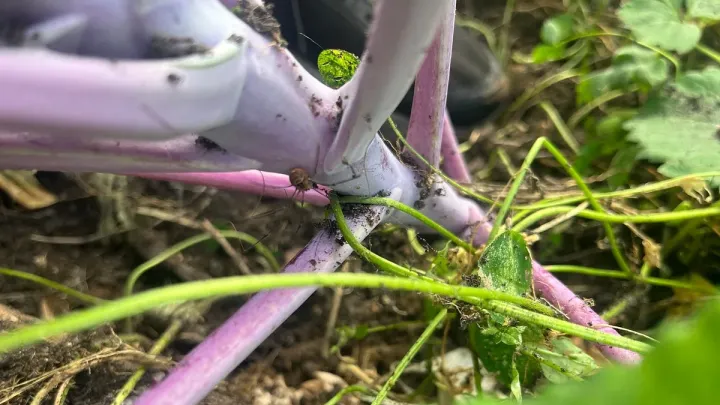
Description
How to identify
The harvestman (Phalangium opilio) belongs to the order Opiliones. Often confused with spiders, they differ significantly due to their lack of silk-producing glands and a fused body structure without a waist.
Their most prominent features are extremely long and slender legs. These appendages are fragile and often shed (autotomy) when the creature is threatened, allowing it to escape predators.
They are generally nocturnal, preferring moist and shady environments. Their coloration ranges from tan to dark brown, often featuring darker markings on their dorsal side to camouflage against debris.
The life cycle begins in autumn when eggs are laid in soil crevices. These eggs undergo diapause, ensuring survival through harsh winter conditions until spring emergence.
Growth occurs through several molting stages. Juveniles look like miniature versions of the adults, gradually maturing into reproductive individuals by mid-summer.
What it damages
Harvestmen are primarily considered beneficial organisms rather than pests. As omnivorous predators, they consume aphids, mites, small caterpillars, and decaying organic matter.
By preying on various agricultural pests, they contribute to natural integrated pest management, reducing the need for chemical interventions in home gardens.
Negative impacts are minimal and occur only when natural food sources are scarce. In these rare instances, they may scrape at succulent plant tissues or damaged fruits.
They do not possess venom glands, making them non-toxic to crops and humans. Their presence is generally a sign of a healthy, biodiverse environment.
Direct economic damage to commercial agriculture is non-existent, and they should be encouraged as part of the natural balance of the ecosystem.
Control measures
Specific control measures are rarely necessary, and proactive eradication is generally discouraged because of their positive role in controlling other pest populations.
If their presence in storage areas or greenhouses is deemed undesirable, management should focus on reducing humidity and removing clutter or debris where they hide.
Integrated pest management strategies that emphasize biological control and minimal pesticide usage will naturally maintain harvestman populations at appropriate levels.
Avoiding the overuse of broad-spectrum insecticides helps preserve these creatures, which in turn helps keep aphid and mite outbreaks under control.
- Sanitation and removal of debris
- Moisture control in indoor environments
- Manual relocation if necessary
- Implementation of IPM practices
Taxonomy
- Latin name
- Phalangium
- Family
- Phalangiidae
- EPPO code
- PHNMSP
Discussion
No discussions yet — be the first.