
Maple leaf aphid
Periphyllus testudinaceus
Description
How to identify
The maple leaf aphid, scientifically known as Periphyllus testudinaceus, belongs to the family Aphididae. It is a specialized pest that primarily targets maple species.
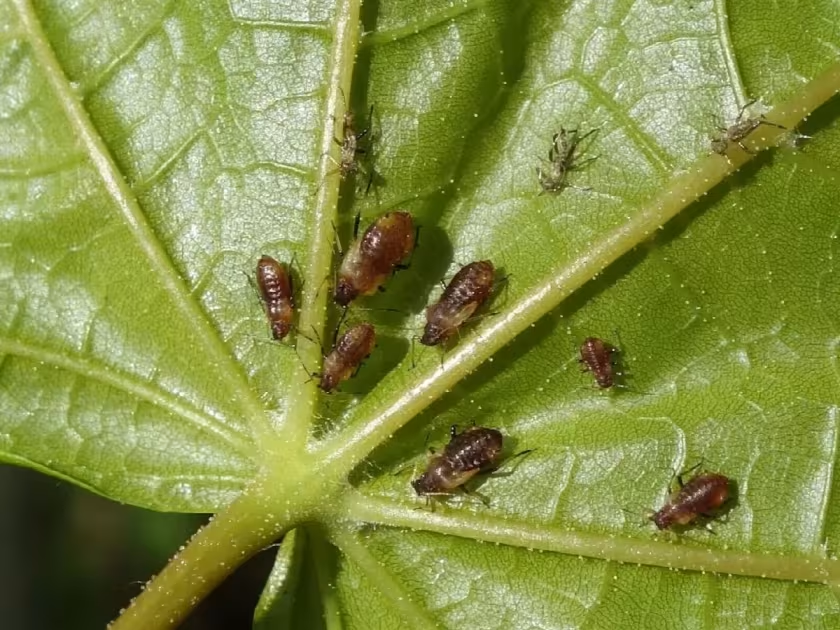
The adult aphids typically measure about 3-4 mm in length. They are known for their somewhat flattened, tortoise-like shape, which distinguishes them from many other aphid species.
Their coloration ranges from light yellow to greenish-brown, often featuring a distinct dark pattern on the dorsal side of their body.
These aphids are characterized by sparse body hairs, and nymphs often exhibit a more pronounced fuzz, which helps in identifying them during field observations.
The species demonstrates complex life cycles, including various morphs such as wingless and winged forms, allowing them to adapt to changing environments.
What it damages
The primary hosts for this pest are members of the Acer genus, especially Norway maple and field maple, which can sustain significant damage from dense colonies.
The aphids feed on the sap of young leaves and tender shoots, which drains the tree of vital nutrients and disrupts its normal development.
As they feed, they secrete honeydew, a sugary substance that encourages the growth of sooty mold, which can cover leaves and inhibit photosynthesis.
In addition to physical feeding damage, these aphids are known vectors for various plant viruses, potentially weakening the overall health of the tree.
Severe infestations can lead to premature leaf drop, stunted growth of the shoots, and overall decline in the decorative value of the maple trees.
When it appears
The maple leaf aphid overwinters as eggs, which are deposited by females in bark crevices and near the base of buds for protection.
In early spring, as temperatures rise and buds begin to swell, the overwintered eggs hatch into stem mothers, which start the new seasonal cycle.
Populations tend to peak in late spring and early summer, coinciding with the rapid growth of new foliage and soft tissue on the trees.
During the heat of mid-summer, many individuals may enter a state of estivation (a form of dormancy) on the bark of the branches to survive adverse conditions.
As autumn approaches, sexual generations emerge to mate, and the females lay the overwintering eggs, completing the annual biological cycle.
Signs of infestation
Leaf curling and yellowing on the tips of young branches are often the first visible signs that an aphid colony is present and feeding.
The presence of sticky, shiny honeydew on the leaves is a classic indicator, which often attracts ants and wasps to the infested areas.
A black, crusty layer on the leaves, known as sooty mold, indicates that the infestation has been active for an extended period.
Heavy ant traffic on the tree trunk and branches suggests that ants are tending to the aphid colonies for their sugary secretions.
Stunted shoot development and early leaf shedding are common symptoms observed in maples that have suffered from heavy or prolonged aphid pressure.
Control measures
Regular monitoring of the trees during the spring season is the most effective way to catch the early stages of an aphid infestation.
Encouraging natural predators such as lady beetles, lacewings, and hoverflies can naturally suppress aphid populations in most garden settings.
Horticultural oils or insecticidal soaps can be used to treat infested areas, providing a safer alternative to broad-spectrum chemical pesticides.
For high-value specimen trees, systemic insecticide treatments may be applied by professional arborists to prevent colonization during the peak season.
Maintaining the overall health of the tree through adequate hydration and proper fertilization helps trees recover from aphid damage more quickly.
Taxonomy
- Latin name
- Periphyllus testudinaceus
- Order
- Hemiptera (bugs, aphids, leafhoppers)
- Family
- Aphididae
- EPPO code
- PERPVL
Discussion
No discussions yet — be the first.