
Root aphid
Pemphigus
Description
How to identify
Root aphids (Pemphigus) belong to the Pemphigidae family. These are small insects often covered in a white, waxy secretion that looks like cotton wool, helping them thrive in soil conditions.
They possess specialized mouthparts designed to pierce plant tissues, allowing them to feed on the sap of roots and the root collar of various agricultural crops.
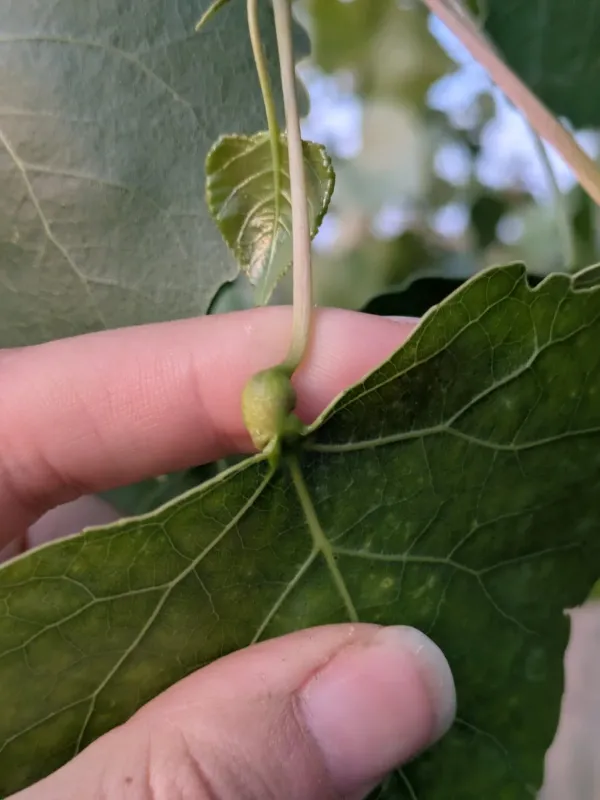
The biology of Pemphigus is complex, involving migration between primary woody hosts (often poplar trees) and secondary herbaceous hosts during the growing season.
In the soil, these aphids reproduce parthenogenetically, which allows colonies to grow rapidly when temperature and soil moisture levels are favorable.
Because they live underground, detecting root aphids is difficult, requiring careful observation of plant development and root system conditions during routine field checks.
What it damages
Root aphids infest a wide range of crops, including sugar beets, sunflowers, various lettuce species, beans, and several ornamental plants.
By feeding on the sap of young rootlets, they severely disrupt the nutrient and water absorption processes of the host plant.
Reduced uptake of essential elements leads to stunted growth, yellowing foliage, and a general decline in plant vigor, which is particularly evident during heat stress.
Damage to the root collar also creates entry points for soil-borne pathogens, including various fungal and bacterial infections that cause root rot.
Left unmanaged, a heavy infestation can cause widespread crop loss and significant decreases in yield across infested fields.
When it appears
Root aphid activity is highly dependent on soil temperature and moisture, with peak populations usually occurring in mid-summer.
Winged adults migrate from primary tree hosts to secondary vegetable and field crops early in the season, marking the start of the infestation period.
Dry and warm weather conditions are ideal for the movement of aphids through soil pores, allowing them to spread quickly between adjacent plants.
In autumn, the cycle concludes as the aphids return to their primary tree hosts to lay eggs, which overwinter in bark crevices.
Extended warm autumn periods are concerning for agronomists, as they can lead to higher overwintering success and larger populations in the following season.
Signs of infestation
A primary symptom of infestation is diurnal wilting, where plants look stressed during the day but recover partially at night as transpiration rates drop.
Upon inspecting the root system, you may find clusters of aphids covered in white, waxy material, often mistaken for fungal growth or mineral deposits.
Infested plants show clear signs of distress, including stunted development, chlorosis, and a significantly smaller root volume compared to healthy plants.
In cases of severe infestation, the root area may show necrotic tissue patches where colonies have fed extensively on the plant's vascular system.
The presence of ant mounds near the base of the plant is often a secondary indicator, as ants frequently tend to aphids to harvest their honeydew.
Control measures
Effective management starts with strict crop rotation and the elimination of weeds that serve as alternative hosts during the growing season.
Frequent mechanical soil cultivation helps disturb aphid colonies and limits their ability to move effectively between plant roots.
Systemic insecticides are often employed when pest populations reach economic injury levels, providing protection by moving through the plant's vascular system.
Maintaining optimal soil moisture and fertility helps crops tolerate light infestations and recover faster from feeding damage caused by the aphids.
- Use certified pest-free planting stock.
- Implement weed management to remove potential host reservoirs.
- Consider biological control agents like entomopathogenic fungi.
Taxonomy
- Latin name
- Pemphigus
- Order
- Hemiptera (bugs, aphids, leafhoppers)
- Family
- Aphididae
- EPPO code
- PEMPSP
Discussion
No discussions yet — be the first.