
Patchiella
Patchiella
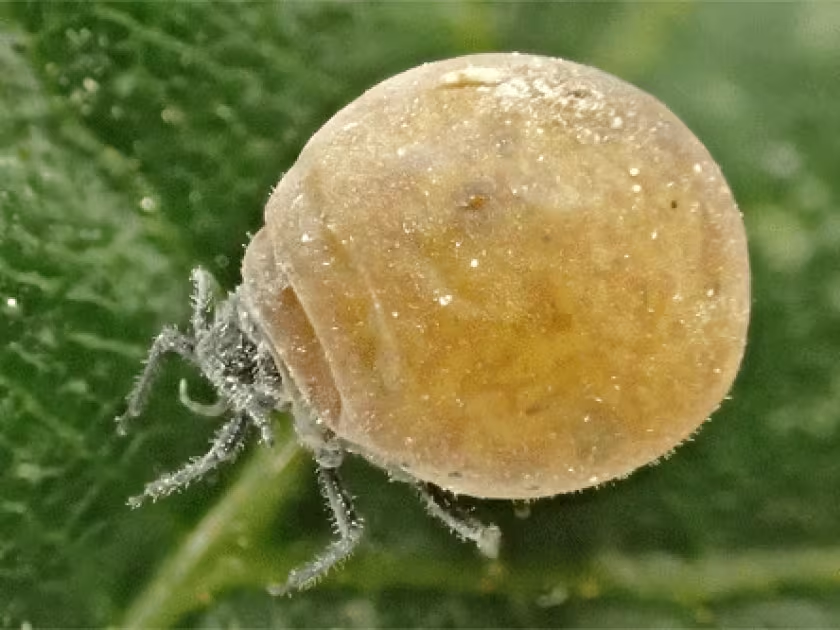
Description
How to identify
Patchiella is a genus of insects belonging to the Aphididae family, which are recognized as highly specialized sap-feeding plant pests.
These aphids are characterized by their small size and specific body morphology that allows them to thrive on particular host plants.
The life cycle involves complex biological stages, frequently including winged and wingless morphs to maximize survival and colonization rates.
Identification is often based on the observation of clustered insects on the underside of leaves or within curled leaf tissues.
Being highly host-specific, these insects are most commonly found associated with members of the Betulaceae family.
What it damages
The primary hosts of Patchiella are birch trees (Betula), where the pests feed on nutrient-rich phloem sap.
Feeding activities cause mechanical injury to plant cells and physiological stress due to the continuous loss of photosynthates.
Leaves affected by aphid feeding often show signs of curling, yellowing, and eventual chlorosis, which hinders the tree's vitality.
The accumulation of honeydew secreted by aphids creates a favorable environment for the growth of sooty mold, blocking photosynthetic efficiency.
Severe infestations can lead to premature leaf drop, which significantly weakens the overall structure and growth rate of the host tree.
When it appears
The pest's development is highly seasonal, with egg hatching usually triggered by the warmer temperatures of early spring.
The peak activity period corresponds to the rapid growth phase of host plants, typically from late spring through mid-summer.
Environmental variables such as humidity and mild temperature fluctuations directly influence the reproductive success of each generation.
As autumn approaches, the insects prepare for dormancy, laying eggs that are resilient to cold winter conditions.
Multi-generational cycles occur throughout the growing season, allowing for rapid population explosions under favorable conditions.
Signs of infestation
Leaf curling and distorted growth are among the first visual symptoms indicating the presence of a colony.
A sticky, shiny residue on the leaf surface, known as honeydew, is a classic sign of active aphid feeding.
The presence of ants trailing along branches to tend to the aphids provides a clear indicator of a hidden colony.
Yellowing spots or necrotic patches on foliage are indicative of heavy sap depletion by the pest population.
Early leaf abscission, when leaves fall well before the normal autumn cycle, signals severe stress caused by the infestation.
Control measures
Effective management of Patchiella involves integrated pest management (IPM) strategies to ensure long-term plant health.
Regular surveillance is crucial to identify early colonization before the population reaches damaging thresholds.
Biological controls, such as encouraging native predators like lady beetles and lacewings, provide a sustainable way to suppress numbers.
Chemical intervention should be considered only when populations are high, using systemic insecticides to minimize environmental impact.
- Prune and dispose of heavily infested shoots to reduce source populations.
- Maintain tree vigor through proper fertilization and watering schedules.
- Apply insecticidal soaps for contact-based control in small areas.
- Monitor for the presence of natural enemies before using synthetic sprays.
Taxonomy
- Latin name
- Patchiella
- Order
- Hemiptera (bugs, aphids, leafhoppers)
- Family
- Aphididae
- EPPO code
- PATCSP
Discussion
No discussions yet — be the first.