
Apple leaf miner
Parornix torquillella
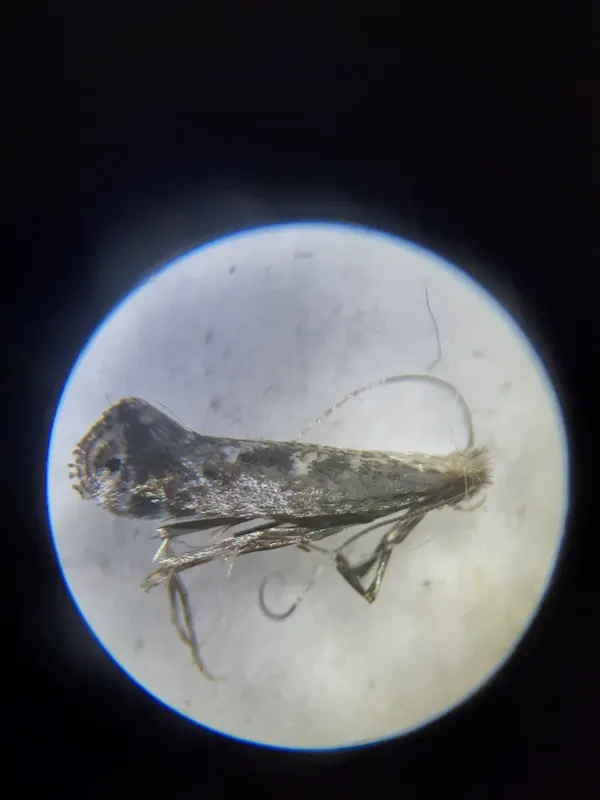
Description
How to identify
The apple leaf miner, scientifically known as Parornix torquillella, belongs to the family Gracillariidae. These small moths are characterized by a wingspan of approximately 9–11 mm and have dark, metallic-looking wings with subtle white markings.
The larvae progress through several developmental stages, initially appearing pale before turning a greenish color as they mature. Their small size makes them particularly cryptic, often hiding within the leaf tissue they consume.
Taxonomically, the species is part of the Lepidoptera order. It is highly adapted to rosaceous plants, which serve as the primary host for its larvae, creating a specialized relationship between the insect and its food source.
Identification is best achieved by examining the characteristic mines on the leaves during the growing season. While the adult moths are rarely seen due to their nocturnal habits, the leaf damage serves as a reliable marker for their presence.
The life cycle involves complete metamorphosis: egg, larva (five instars), pupa, and adult. The insect typically overwinters as a pupa, often protected within a cocoon hidden in fallen foliage or bark crevices.
What it damages
This pest primarily infests apple, pear, and plum trees. The larvae feed on the parenchyma of the leaves, creating distinct tunnels that expand into larger blotch mines as the larvae grow larger.
The damage directly impacts the tree's photosynthetic capability. When a significant number of leaves are mined, the tree becomes stressed, which often leads to reduced fruit size and lower overall harvest quality.
Excessive damage can cause premature leaf drop, which weakens the tree's vitality. This is especially problematic in late summer, as the tree may not store enough energy to survive the winter and produce a robust crop the following year.
Additionally, damaged leaf surfaces are more susceptible to secondary fungal or bacterial pathogens, which can exacerbate the health decline of the tree beyond the initial damage caused by the mining larvae.
In cases of severe infestation, the cumulative impact of mining can significantly hamper the structural integrity of the leaf, leading to deformation and potential leaf necrosis.
When it appears
Adult moths typically emerge in the spring, coinciding with the blossoming of apple trees. This timing is critical, as it synchronizes the start of the next generation with the availability of new leaf growth.
After mating, females lay eggs on the underside of leaves. Larvae hatch shortly after and immediately begin tunneling into the leaf tissue, creating the signature mines that define this pest's behavior.
The species usually completes two generations per year in most temperate regions. The second generation peaks mid-summer, placing additional pressure on the tree during the peak of fruit development.
Warm and dry weather conditions generally accelerate the development of the larvae. Conversely, cold snaps in early spring might slightly delay the emergence, but the species is resilient and well-adapted to variable climates.
As temperatures drop toward autumn, the final generation of larvae reaches maturity, leaves their mines, and seeks out suitable locations for pupation and overwintering.
Signs of infestation
The earliest sign of an apple leaf miner infestation is the appearance of tiny, light-colored tunnels on the surface of the leaves. As the larvae feed, these tunnels grow into irregular, blotchy mines.
Infested leaves often exhibit signs of curling or wilting, particularly around the edges. A close inspection of the leaf underside will reveal the presence of the larva or signs of its feeding activity.
- Visible light-colored mines on the leaves.
- Curling or deformation of the leaf blades.
- Premature yellowing and shedding of leaves.
- Visible larval frass inside the mined tissue.
- Signs of withered leaves during the peak summer period.
Observation of the crown of the tree can help identify early-stage infestations, allowing for timely intervention before the damage becomes widespread across the orchard.
Control measures
Effective management begins with sanitation. Raking and destroying fallen leaves during autumn is one of the most practical ways to eliminate overwintering pupae and reduce the population for the following spring.
Cultivating the soil around the base of the trees helps disrupt the pupation cycle of the insects that fall to the ground. This physical control method is highly recommended for organic orchards.
Chemical control, if necessary, should be applied during the periods of egg-laying or early larval development. Using systemic insecticides can be effective, provided that local regulations and harvest safety intervals are followed.
Pheromone traps are essential for monitoring the population levels of adult moths. By tracking the activity of the moths, growers can better time their control measures, ensuring maximum efficiency.
Encouraging beneficial insects, such as parasitic wasps that prey on the leaf miner larvae, can provide a sustainable way to maintain low population densities without constant chemical interference.
Taxonomy
- Latin name
- Parornix torquillella
- Order
- Lepidoptera (butterflies)
- Family
- Gracillariidae
- EPPO code
- PAORTO
Discussion
No discussions yet — be the first.