
Parornix
Parornix
Description
How to identify
Parornix is a genus of moths belonging to the family Gracillariidae. These small insects are known as leaf miners, as their larvae feed inside the foliage of host plants.
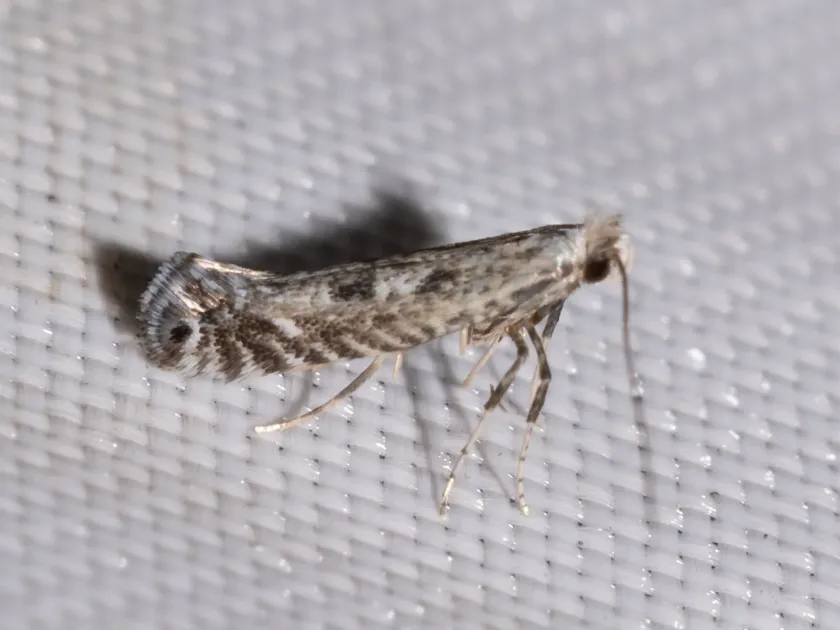
Adult moths are characterized by slender wings with intricate patterns, which provide excellent camouflage against tree bark or leaves during the day.
The life cycle involves complete metamorphosis, where the larval stage is the most destructive to agricultural crops, spending its time protected within leaf tissues.
These pests generally overwinter as pupae, often hidden within silk cocoons found in leaf litter, debris, or deep crevices of tree bark.
The number of annual generations depends largely on local climatic conditions, with warmer regions seeing a more frequent turnover of populations.
What it damages
Parornix species primarily target pome fruit trees, such as apples and pears, which are significant in commercial and home horticulture.
The larvae consume the parenchyma layer between the leaf surfaces, causing significant disruption to the plant's photosynthetic capacity.
Heavy infestations can lead to substantial leaf loss, especially during the peak growing season, which impacts the overall vitality of the tree.
For young orchard plantings, high pest pressure can stunt growth and hinder the development of the structural framework of the trees.
Fruit quality and size can also suffer, as the reduced leaf area limits the sugar production necessary for fruit maturation and storage.
Signs of infestation
The most visible symptom of a Parornix infestation is the appearance of leaf mines, which often look like blisters or pale patches on the surface of the leaf.
Affected leaves often roll or curl, creating a shelter for the larvae to continue feeding undisturbed by predators or environmental factors.
Discoloration of the foliage, ranging from pale yellow to brown, often occurs as the tissues beneath the epidermis die due to larval feeding.
Premature leaf drop is a classic sign of a severe outbreak, leaving trees vulnerable to heat stress and subsequent fungal infections.
Careful inspection of the undersides of leaves will often reveal the presence of larval silk, frass (droppings), and the larvae themselves if opened.
Control measures
Sanitation is a vital first step; raking and destroying fallen leaves during autumn significantly reduces the overwintering pupal population.
Monitoring using pheromone traps allows growers to detect the initial flight of adults and time their chemical interventions with precision.
Insecticide applications should target the window between egg hatching and the formation of deep leaf mines, where the larvae become less accessible.
Systemic insecticides are generally preferred as they ensure that the active compound reaches the tissues where the larvae feed.
- Implementing regular orchard cleaning schedules.
- Encouraging natural predators, such as parasitic wasps, to inhabit the orchard.
- Using targeted, eco-friendly sprays during the larval emergence stage.
Taxonomy
- Latin name
- Parornix
- Order
- Lepidoptera (butterflies)
- Family
- Gracillariidae
- EPPO code
- PAORSP
Discussion
No discussions yet — be the first.