
Locust leafminer
Parectopa robiniella
Description
How to identify
The locust leafminer (Parectopa robiniella) is a small moth belonging to the family Gracillariidae in the order Lepidoptera, which is known for its leaf-mining larvae.
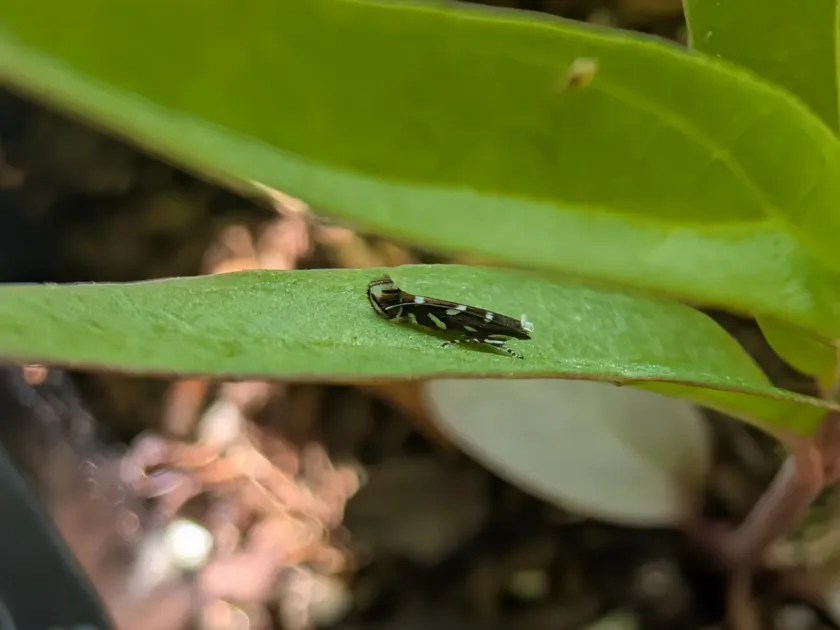
The adult moth is tiny, characterized by a wingspan of approximately 6–8 mm, with intricate, mottled brown and white wing patterns that act as excellent camouflage.
Larvae are flat-bodied, specialized for mining between the upper and lower layers of leaves. They possess a chewing mouthpart structure capable of consuming plant tissue from within.
The lifecycle consists of several overlapping generations throughout the growing season, typically starting in late spring as temperatures rise consistently.
Pupation often occurs in small, silk-lined chambers within the leaf mines, though some individuals may overwinter in debris or bark crevices near the host tree.
What it damages
The primary host for this pest is the black locust tree (Robinia pseudoacacia), which is widely planted for erosion control, ornamental purposes, and timber.
Larvae create blotch mines in the foliage, effectively destroying the photosynthetic machinery of the leaf and causing it to turn brown and necrotic.
Heavy infestations can lead to premature leaf drop during mid-summer, which significantly reduces the tree's vigor and energy reserves for the following season.
While the tree is rarely killed by this pest alone, the cumulative damage over consecutive years can make the tree susceptible to secondary pests and pathogens.
In landscaping, the cosmetic damage caused by the leafminer makes the trees unsightly, reducing their aesthetic value in parks and urban settings.
Signs of infestation
The most distinctive sign of infestation is the presence of pale, blotchy leaf mines that are often localized at the margins or corners of the leaflets.
As the larva feeds, the leaf margin often begins to curl or roll, forming a protective shelter where the larva continues to consume the internal parenchyma.
When held against the light, the mines appear translucent, showing the inner skeletal structure of the leaf and often the larva or its dark waste pellets inside.
Leaves affected by the miner appear scorched or prematurely aged compared to the healthy green canopy of nearby unaffected trees.
In cases of severe infestation, a large percentage of the canopy may exhibit signs of browning, which is clearly visible from a distance as a sickly yellow-brown color.
Control measures
Sanitation is a critical first step; removing and properly disposing of fallen leaves in the autumn can destroy a significant portion of the overwintering pupal population.
For high-value ornamental trees, systemic insecticides applied via soil drenching or trunk injection can provide effective protection by making the foliage toxic to larvae.
Biological control agents, such as parasitoid wasps that prey on the larvae, help regulate populations; keeping these populations healthy by minimizing broad-spectrum pesticide use is beneficial.
Regular monitoring using traps or visual inspection helps time insecticide applications during the adult flight period, which is the most vulnerable phase for control.
Promoting tree health through proper watering and fertilization helps the black locust withstand moderate levels of leaf loss without suffering long-term structural harm.
Taxonomy
- Latin name
- Parectopa robiniella
- Order
- Lepidoptera (butterflies)
- Family
- Gracillariidae
- EPPO code
- PACTRO
Discussion
No discussions yet — be the first.