
Parectopa marginestrigata
Parectopa marginestrigata
Description
How to identify
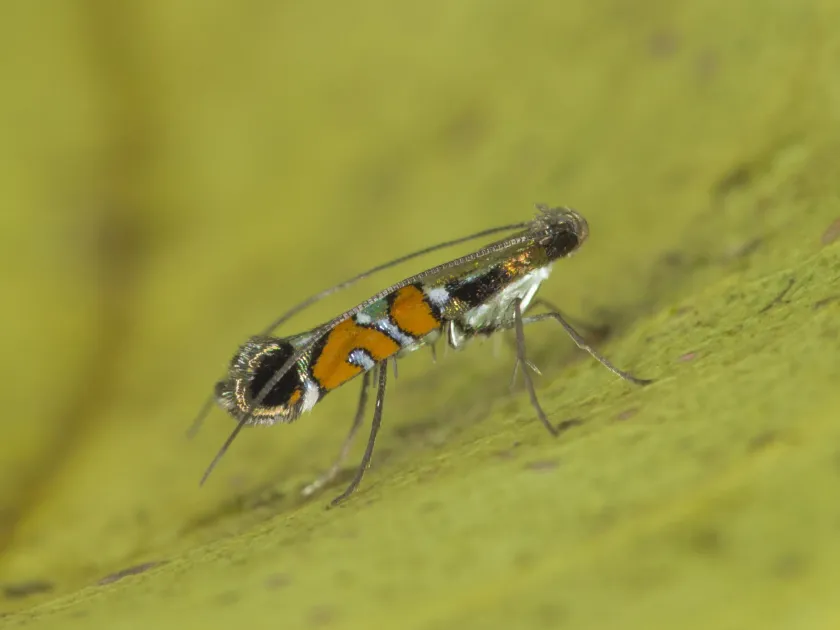
The Parectopa marginestrigata is a species of leaf-mining moth belonging to the family Gracillariidae. These moths are characterized by their tiny size and specialized larval stages.
Adult moths are typically nocturnal and possess narrow, fringed wings, which make them difficult to spot during daylight hours in their natural habitats.
The life cycle involves complete metamorphosis, including egg, larva, pupa, and adult stages, with the larvae being the primary focus for pest control efforts.
This species shows a high degree of host plant specificity, often focusing on particular tree species for the development of its offspring.
Taxonomically, the insect is classified within the order Lepidoptera, grouping it with other leaf-mining and stem-boring moth species.
What it damages
The larvae are internal feeders, creating distinct mines by consuming the inner photosynthetic tissue of the host leaves.
As they feed, they create narrow, often winding galleries that remain visible as discolored lines on the leaf surface.
Severe infestations can cause premature leaf drop, which weakens the tree's ability to store energy for the following season.
In ornamental settings, the aesthetic value of the trees is significantly reduced due to the blotchy and scarred appearance of the foliage.
Extended damage leads to a loss of total photosynthetic capacity, potentially impacting the health and vigor of the entire plant.
When it appears
The activity cycle of Parectopa marginestrigata is closely tied to the growing season of the host plants, beginning in early spring.
Multiple generations can occur throughout the year, with population numbers typically peaking during the warmer summer months.
Overwintering usually takes place in the pupal stage, hidden within the leaf litter or crevices in the bark of the host tree.
The timing of emergence for adults is highly dependent on local climatic conditions and the development stage of the leaves.
As temperatures begin to drop in autumn, the final generation of larvae prepares for dormancy to survive the cold winter months.
Signs of infestation
The most prominent sign of infestation is the appearance of leaf mines, which often look like intricate patterns of pale or brownish lines.
Unlike leaf chewers, these miners do not consume the outer leaf layers, leaving the epidermis intact, which creates a window-like effect.
Small exit holes may become visible once the larvae have completed their development and emerged to pupate.
General wilting and yellowish tints in the canopy are common indicators of a high infestation level that requires attention.
Close inspection often reveals dark frass pellets deposited along the larval tunnels within the leaf tissue.
Control measures
Sanitation practices, including the removal and destruction of fallen leaves, are vital to reducing the overwintering population.
Biological control agents, such as specific parasitic wasps, can help keep the moth population in check under natural conditions.
For chemical interventions, systemic insecticides are often preferred as they are absorbed by the plant and target larvae hidden inside the mines.
Proper timing of applications is essential, as treatments should be applied when young larvae are most active before they cause extensive damage.
Regular monitoring using pheromone traps can help detect the arrival of adult moths, allowing for precise and effective management timing.
Taxonomy
- Latin name
- Parectopa marginestrigata
- Order
- Lepidoptera (butterflies)
- Family
- Gracillariidae
- EPPO code
- PACTMA
Discussion
No discussions yet — be the first.