
Hibiscus leaf miner
Parectopa hibiscella
Description
How to identify
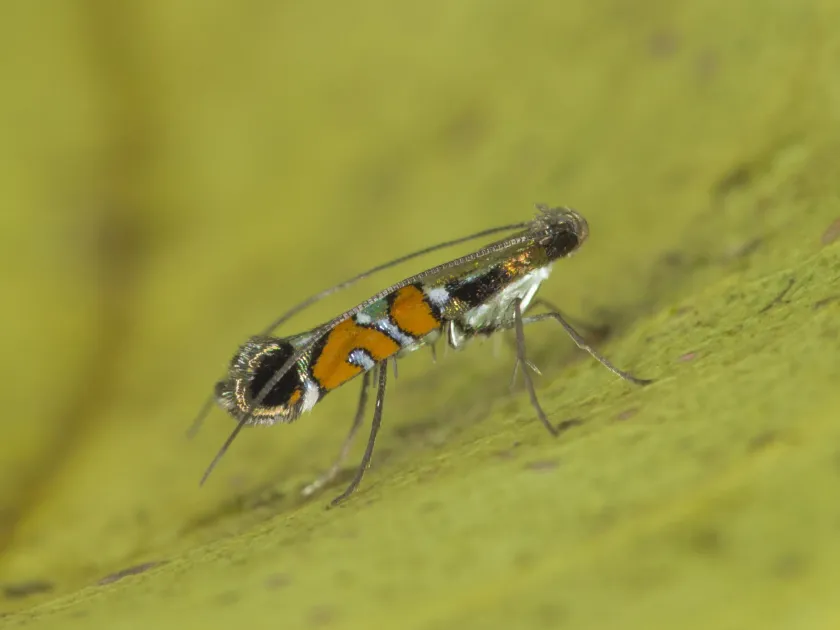
The Hibiscus leaf miner (Parectopa hibiscella) is a small moth species belonging to the family Gracillariidae, known for the leaf-mining behavior of its larvae.
Adult moths are extremely small with narrow wings, often featuring intricate patterns, and are rarely seen due to their nocturnal and cryptic behavior on the host plant.
The life cycle involves four stages: egg, larva, pupa, and adult. The larval stage is the most destructive, as the larvae spend their entire life feeding within the leaf tissues.
Taxonomically, this species is specialized, having evolved to thrive on specific host plants within the Malvaceae family, particularly the Hibiscus genus.
Identification is primarily based on the specific shape and structure of the leaf mines, as the adult moths require microscopic examination for accurate species determination.
What it damages
The primary damage is caused by larvae mining the leaves of hibiscus plants, creating tunnels that disrupt the plant's ability to perform photosynthesis.
By consuming the internal parenchyma of the leaves, the larvae cause significant stress, which can lead to weakened plants and reduced aesthetic value.
Heavy infestations can result in premature leaf drop, stunted growth of the hibiscus shrub, and increased susceptibility to other pathogens.
While a single mine might not kill a plant, a high population of larvae can cause extensive chlorosis and leaf tissue death throughout the entire canopy.
This pest is particularly problematic in nurseries and greenhouses, where the lack of natural predators allows the population to multiply rapidly.
Signs of infestation
The most distinctive sign is the presence of serpentine or blotch-like mines on the leaf surface, which appear as pale, winding trails.
Inside these mines, dark spots of larval waste (frass) are usually visible, helping to differentiate these mines from other types of leaf damage.
As the infestation progresses, leaves may become shriveled, distorted, or develop brown necrotic areas where the tissues have completely dried out.
In advanced cases, the foliage may look scorched, and you might notice small silk cocoons attached to the leaves where pupation occurs.
Regular inspection is essential, as the symptoms often start on the lower or inner leaves where the moth can hide more effectively from view.
Control measures
Cultural control is the first line of defense; promptly removing and destroying infested leaves can significantly reduce the pest population.
Chemical control using systemic insecticides is often necessary for severe infestations, as these chemicals move into the leaf tissue to reach the hidden larvae.
Integrated Pest Management (IPM) practices suggest using yellow sticky traps to monitor for adult activity and timing sprays according to the lifecycle.
Encouraging natural enemies, such as parasitic wasps that target leaf miner larvae, can provide long-term biological suppression in outdoor settings.
- Sanitary pruning of infested plant parts.
- Use of systemic insecticides to target internal larvae.
- Monitoring with yellow sticky traps.
- Keeping plants healthy through proper fertilization and irrigation.
Taxonomy
- Latin name
- Parectopa hibiscella
- Order
- Lepidoptera (butterflies)
- Family
- Gracillariidae
- EPPO code
- PACTHI
Discussion
No discussions yet — be the first.