
Parectopa
Parectopa
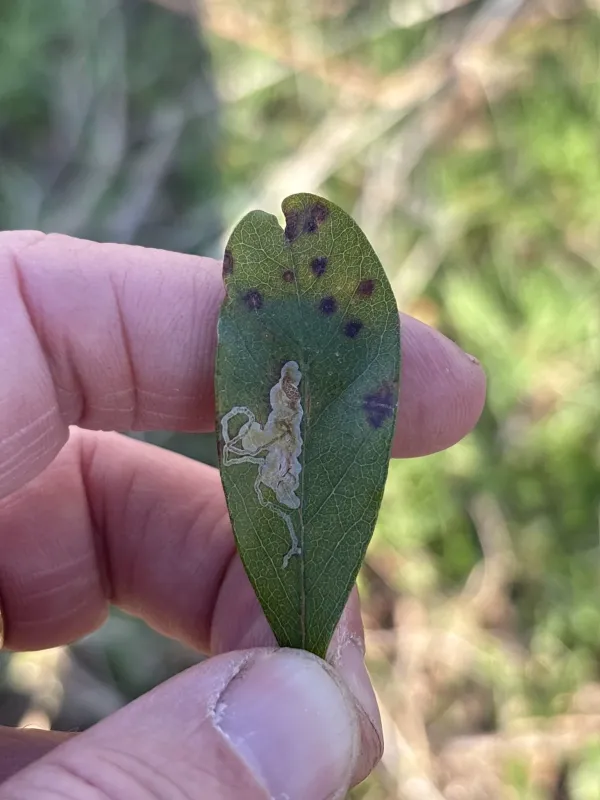
Description
How to identify
Parectopa is a genus of moths belonging to the family Gracillariidae (leaf blotch miner moths), which are part of the Lepidoptera order.
These are small, slender insects characterized by their narrow wings and cryptic behavior, often resting on bark or leaf surfaces during the day.
The larvae are specialized leaf miners, living and feeding entirely within the leaf tissue, which protects them from environmental stressors.
The biology of the genus is closely tied to the host plants, with different species often restricted to specific tree or plant varieties.
They undergo a complete metamorphosis, including egg, larval, pupal, and adult stages, with cycles highly dependent on ambient temperature.
What it damages
Parectopa causes significant damage to various agricultural, horticultural, and forest plants by mining the interior tissues of leaves.
Feeding larvae destroy the chlorophyll-rich mesophyll, which is vital for the plant's ability to perform photosynthesis and produce energy.
Severe infestations lead to a reduction in plant vigor, stunted growth, and, in extreme cases, the premature abscission of leaves.
The aesthetic value of ornamental plants is severely degraded by the unsightly blotches and winding trails left on the foliage.
Damaged leaves are more susceptible to secondary pathogens, including fungi and bacteria, which may enter through the damaged epidermis.
When it appears
The emergence of adult moths typically begins in early spring, coinciding with the initial development of foliage on host plants.
There are usually multiple generations per season, allowing the population to build up significantly throughout the summer months.
Weather conditions, particularly rainfall and heat, influence the speed of larval development and the number of generations per year.
As the season progresses, overlapping generations can make management more difficult, as adults, larvae, and pupae may be present simultaneously.
Overwintering occurs either as pupae within the leaf litter, in the soil, or tucked into the crevices of the host plant's bark.
Signs of infestation
The most reliable sign of Parectopa activity is the presence of distinctive leaf mines, which can appear as serpentine tunnels or large blotches.
The mine is formed by the larva consuming the internal green tissue of the leaf while leaving the outer translucent skin intact.
Small black particles of larval frass can often be observed inside the mines, providing a clear indication of a resident pest.
- Light-colored, irregular blotches on the surface of the leaves.
- Wilting or browning of leaf tissue surrounding the mine.
- Premature leaf drop affecting the overall canopy of the plant.
When held against light, the mining pattern becomes much more apparent, and the larvae themselves can often be seen inside the tissue.
Control measures
Managing Parectopa requires an integrated pest management (IPM) approach that focuses on reducing population buildup early in the season.
Sanitation is a primary control measure, which involves removing and destroying fallen leaves during the autumn and winter months.
Monitoring using pheromone traps is essential to time chemical applications correctly, targeting adults before they lay eggs.
Systemic insecticides are the most effective chemical intervention, as they are absorbed by the plant and target larvae hidden within the leaves.
Biological control agents, such as predatory wasps or parasitoids, can significantly suppress Parectopa populations if encouraged in the landscape.
Taxonomy
- Latin name
- Parectopa
- Order
- Lepidoptera (butterflies)
- Family
- Gracillariidae
- EPPO code
- PACTSP
Discussion
No discussions yet — be the first.