
Paraleyrodes
Paraleyrodes
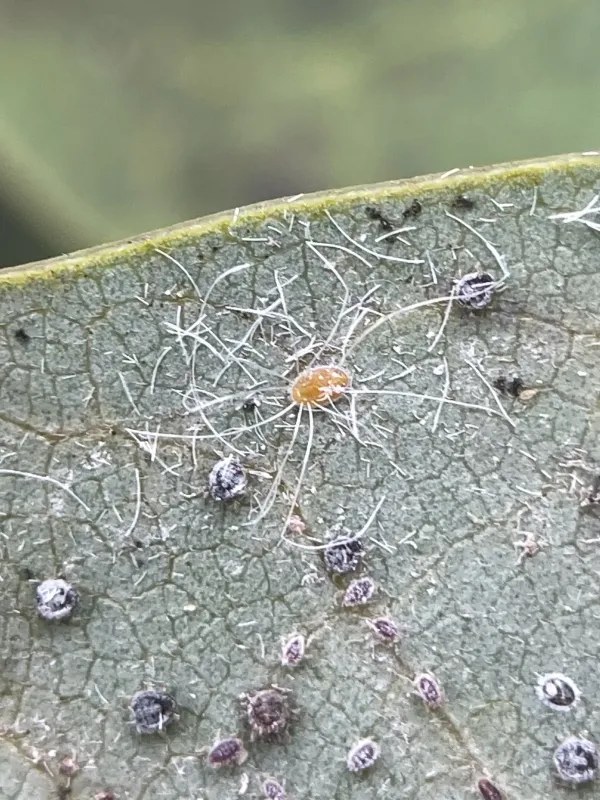
Description
How to identify
Paraleyrodes is a genus of small whiteflies belonging to the family Aleyrodidae within the order Hemiptera. These insects appear as minute, moth-like creatures covered in a powdery, wax-like substance.
Adult specimens are distinguished by specific wing patterns and body features that separate them from other common whitefly genera. Their eyes are characteristically divided into two distinct parts.
Nymphs (larvae) remain sedentary on the underside of leaves. They are flattened and oval-shaped, often blending in with their surroundings due to the waxy secretions they produce.
Their life cycle consists of incomplete metamorphosis, moving through egg, nymphal stages, puparium, and adult phases. The puparium stage is critical for formal identification.
Microscopic examination of the pupal cases is generally required to accurately identify the specific species, as adult morphology can be subtle and difficult to distinguish in the field.
What it damages
These pests are polyphagous, meaning they infest a wide variety of plants, ranging from ornamental flowers and vegetables to essential citrus and tropical fruit trees.
The damage is primarily caused by both nymphs and adults feeding on the phloem sap of the host plant. This continuous feeding depletes the plant's nutrient reserves.
As they feed, they excrete large amounts of honeydew. This sticky substance covers the leaves, creating an ideal environment for the growth of sooty mold.
Sooty mold prevents sunlight from reaching the leaf surface, significantly impairing photosynthesis and weakening the plant's overall vigor.
Severe infestations lead to chlorosis, stunted growth, premature leaf drop, and in extreme cases, the total failure of the plant's health.
When it appears
Paraleyrodes activity is highly correlated with environmental conditions. They thrive in warm, humid climates and can reproduce year-round in protected greenhouse environments.
In outdoor settings, their population density typically spikes during the summer months when high temperatures accelerate their metabolic and reproductive cycles.
Overwintering is limited to regions with mild climates, where they can survive on persistent evergreen host plants throughout the colder months.
Greenhouse settings are particularly vulnerable as these environments provide constant breeding conditions, often leading to rapid population explosions.
Seasonal migrations between different host plants are common, driven by the search for fresh, succulent growth during peak vegetative stages.
Signs of infestation
The most noticeable sign is the presence of tiny white insects flying up from the underside of leaves when the foliage is disturbed or shaken.
Leaves covered in a sticky, glistening substance (honeydew) indicate the presence of sap-sucking insects like Paraleyrodes feeding on the plant.
Black, crusty patches of sooty mold appearing on the foliage are a clear sign of a significant infestation that has been active for some time.
Visual decline in plant appearance, such as yellowing leaves, curling edges, and a general lack of luster, points towards underlying pest stress.
- White insects on leaf undersides.
- Sticky honeydew secretions.
- Black sooty mold growth.
- Yellowing and curling foliage.
- Reduced plant growth rates.
Control measures
Strict phytosanitary practices, such as inspecting new nursery stock before introduction, are the first line of defense to prevent an infestation.
Biological control agents, including parasitic wasps and predatory mites, can effectively regulate populations in sustainable or organic farming systems.
Systemic insecticides are frequently employed in commercial settings to treat infestations, as they are absorbed by the plant and target the pests during feeding.
Horticultural oils and insecticidal soaps can be used to physically suffocate nymphs by disrupting their waxy protective layer without introducing harsh toxins.
Regular monitoring using yellow sticky traps is a vital practice, helping growers detect the arrival of the pest early and implement targeted control measures.
Taxonomy
- Latin name
- Paraleyrodes
- Order
- Hemiptera (bugs, aphids, leafhoppers)
- Family
- Aleyrodidae
- EPPO code
- PARYSP
Discussion
No discussions yet — be the first.