
Spruce gall aphid
Pachypappa sacculi
Description
How to identify
The spruce gall aphid (Pachypappa sacculi) is a specialized insect belonging to the family Pemphigidae. These aphids are known for inducing the growth of peculiar structures known as galls on the branches of spruce trees.
Adult aphids are small and possess a soft body, often covered with a waxy secretion that acts as a protective layer against external elements and environmental stress.
The biological cycle is complex and involves multiple generations. Overwintering occurs in the nymph stage, usually nestled within bark crevices or near the base of buds, where they wait for spring temperatures.
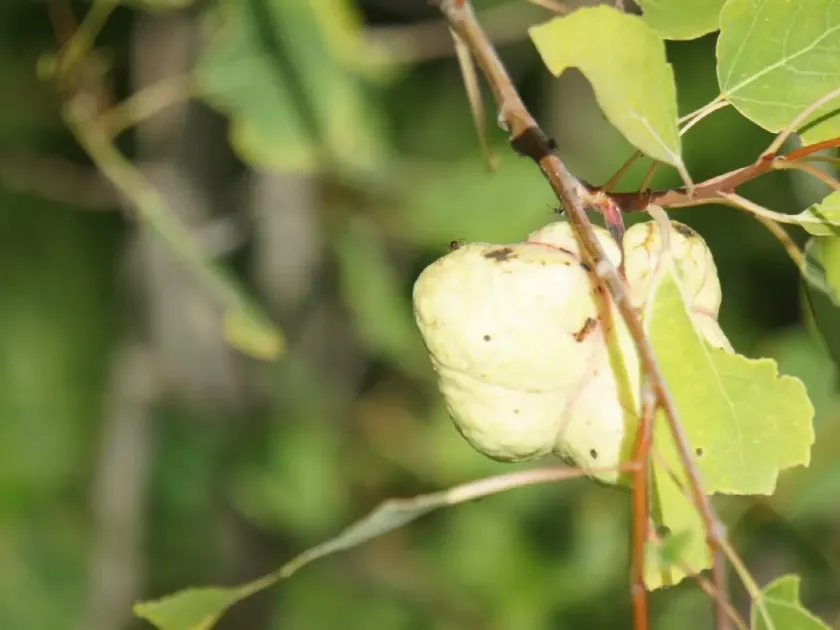
As the growing season begins, the aphids secrete substances that force the tree to produce abnormal cell growth. This results in the formation of galls, which serve as an enclosed, protected environment for the colony to feed and reproduce.
The fundatrix (founder female) is the critical individual in initiating these galls. By feeding at the base of newly emerging needles, they trigger the plant's physiological response that creates the gall cavity.
What it damages
The primary host for this pest is the spruce tree, including species such as Picea abies and Picea pungens. The infestation causes significant physiological stress and aesthetic degradation to the trees.
Feeding activity leads to the distortion of shoots and needles. Infected branches often become stunted, and in severe cases, the growth pattern of the entire tree becomes irregular and unattractive.
The galls act as a physical sink for nutrients, depriving the tree of vital sap. Once the aphids vacate the galls, these structures dry out, creating entry points for opportunistic fungal pathogens and wood-boring pests.
Widespread infestation can cause extensive needle drop (defoliation). This loss of foliage reduces the tree's photosynthetic capacity, leading to a general decline in health and vitality.
In nursery settings, the presence of spruce gall aphids significantly reduces the market value of the plants, as the resulting disfigurement is difficult to correct through pruning alone.
When it appears
Activity commences in early spring as the buds begin to swell and open. This is when the overwintering nymphs emerge to colonize the fresh, succulent tissues of the new growth.
Throughout the late spring and summer, several generations develop within the protected galls. During this time, they are largely shielded from environmental conditions and many natural predators.
Toward late summer, the galls crack open, allowing winged adults to emerge and migrate. These individuals seek out new trees or different parts of the same tree to lay eggs for the next cycle.
Autumn marks the transition into dormancy. The aphids disperse to secure locations on the bark, where they will remain inactive throughout the harsh winter months.
The insect's lifecycle is highly synchronized with the phenology of the host spruce tree, ensuring that the next generation of nymphs is perfectly timed for the arrival of new spring buds.
Signs of infestation
The most visible indicator of an infestation is the presence of galls on the spruce branches. These may appear as small, cone-like, or irregular swellings on the current year's growth.
An early sign of colonization is a light dusting of white, cottony material around the needles. This wax is produced by the aphids and is often the first visible hint of their presence.
Affected needles may exhibit yellowing or curling, signaling nutrient deprivation. If you observe twigs that have stopped growing or are wilting, check the base of the needles for these pests.
The presence of large numbers of ants crawling on the spruce branches is often a strong indicator of aphid activity, as ants harvest the sugary honeydew produced by the aphids.
Overall thinning of the canopy and lack of luster in the foliage can indicate a long-term infestation, even if the galls themselves are not immediately obvious at first glance.
Control measures
Effective management requires a combination of timely chemical application and cultural practices. Systemic insecticides are generally the most reliable method for reaching aphids hidden inside galls.
- Inspect your spruce trees regularly, especially during the spring bud-burst phase.
- Prune and destroy infected branches containing galls before the aphids emerge in late summer.
- Use systemic insecticides (such as imidacloprid or acetamiprid) applied as a foliar spray or soil drench.
- Encourage natural predators like ladybugs, hoverflies, and lacewings in the landscape to naturally suppress aphid populations.
- Provide proper irrigation and fertilization to maintain tree vigor, as healthy trees are better able to withstand pest pressures.
It is crucial to time insecticide applications correctly. Contact sprays are only effective early in the season, before the galls fully enclose the aphids and protect them from external contact.
When applying foliar sprays, ensure the use of an adjuvant or sticker, which helps the treatment adhere to the waxy needles of the spruce and ensures better coverage of the infested areas.
Taxonomy
- Latin name
- Pachypappa sacculi
- Order
- Hemiptera (bugs, aphids, leafhoppers)
- Family
- Aphididae
- EPPO code
- PAPPSA
Discussion
No discussions yet — be the first.