
Spruce rosette gall aphid
Pachypappa rosettei
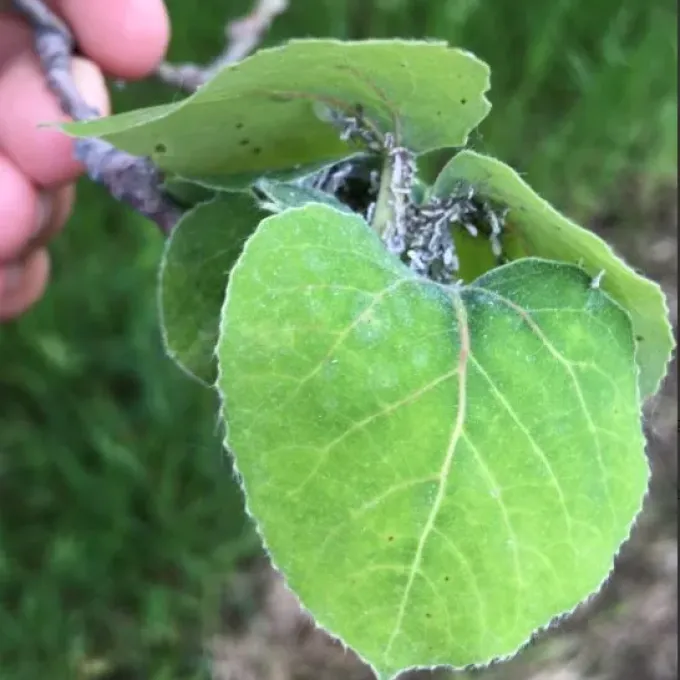
Description
How to identify
The spruce rosette gall aphid, scientifically known as Pachypappa rosettei, belongs to the family Pemphigidae. This pest is a specialized insect that induces the formation of distinct galls on spruce trees, which serve as both food and shelter for the colony.
The aphid has a complex life cycle, involving different morphs throughout the growing season. Identification often relies more on the specific shape of the galls produced rather than on the morphology of the individual aphids themselves.
This species is well-adapted to the growth cycles of spruce trees. The aphids spend the majority of their active feeding period enclosed within the protective walls of the galls, making them difficult to target with conventional contact insecticides.
The taxonomic classification places this pest within the order Hemiptera. Its feeding strategy is highly specialized, targeting the developing tissues of the spruce, which leads to the formation of the characteristic rosette-like structures.
Due to its cryptic nature, the pest is often discovered only after the galls have already become visible, which complicates early intervention strategies for gardeners and foresters.
What it damages
The primary host for Pachypappa rosettei is the Norway spruce. The aphid attacks succulent young shoots during the period of rapid spring growth, significantly impacting the tree's development.
The main damage is caused by the aphid's feeding, which extracts plant juices and releases chemicals that alter the growth pattern of the shoots. This results in stunted, distorted, and weakened branches.
Heavy infestations reduce the overall aesthetic value of the trees, making them unsuitable for ornamental purposes. Furthermore, the loss of vigor makes the affected spruce trees more susceptible to secondary environmental stresses.
If the infestation persists over several years, the cumulative damage can lead to a significant decline in the tree's health, characterized by reduced annual growth and thinning of the foliage.
In addition to physiological damage, the aphid produces honeydew, which creates a substrate for sooty mold. This mold covers the needles and stems, further hindering photosynthesis and degrading the tree's appearance.
When it appears
The life cycle begins in early spring as the overwintered eggs hatch. This timing is closely synchronized with the spruce tree's bud burst and initial shoot development.
During the late spring and early summer, the aphids populate the developing shoots and initiate the formation of the characteristic galls. This is the period of most intense growth for the insect colony.
By late summer, the galls typically harden and the aphids complete their development. Winged adults eventually emerge from the galls to disperse and seek sites for egg-laying.
The species overwinters primarily in the egg stage. These eggs are deposited on the bark of the spruce tree, where they remain dormant and protected until the following spring season.
Monitoring for the presence of the aphid is most effective in the spring, just before the galls become fully formed and seal the insects inside, or during the late autumn after the galls have been vacated.
Signs of infestation
The most recognizable symptom is the presence of rosette galls on the tips of spruce branches. These look like dense, shortened clusters of needles that resemble small rosettes or tiny cones.
- Distortion and curling of young, tender spruce shoots.
- Presence of light green or yellowish swellings on the branches.
- Needle drop or yellowing around the infected shoot area.
- Accumulation of sticky honeydew, often attracting ants and black sooty mold.
- Noticeable reduction in the annual height and density of the tree.
In the early stages, the galls are soft and often overlooked. However, as the season progresses, they turn brown, woody, and hard, becoming very conspicuous on the tree's canopy.
An inspection of the galls by carefully prying them open will reveal the aphid colony inside, which serves as the definitive confirmation of the pest presence.
If the tree shows a large number of withered, abnormal shoots at the tips of its branches, this is a strong indication of a severe gall aphid infestation that requires immediate attention.
Control measures
The most effective physical control method is the pruning and immediate destruction of infested shoots before the aphids emerge from the galls to start new generations.
Chemical control must be applied in early spring when the larvae have just hatched but have not yet formed the protective gall tissue. Systemic insecticides are the preferred choice for such treatments.
Maintaining the overall health of the tree through proper irrigation and fertilization is crucial, as vigorous trees are more capable of tolerating or recovering from aphid attacks.
Biological control, including the encouragement of natural predators like lacewings or lady beetles, can help reduce population pressure, although they may not be sufficient for severe infestations.
Regular monitoring of high-value trees in nurseries or landscapes is recommended to catch the infestation at the earliest possible stage, minimizing the need for extensive chemical usage.
Taxonomy
- Latin name
- Pachypappa rosettei
- Order
- Hemiptera (bugs, aphids, leafhoppers)
- Family
- Aphididae
- EPPO code
- PACARO
Discussion
No discussions yet — be the first.