
Ovatus aphid
Ovatus
Description
How to identify
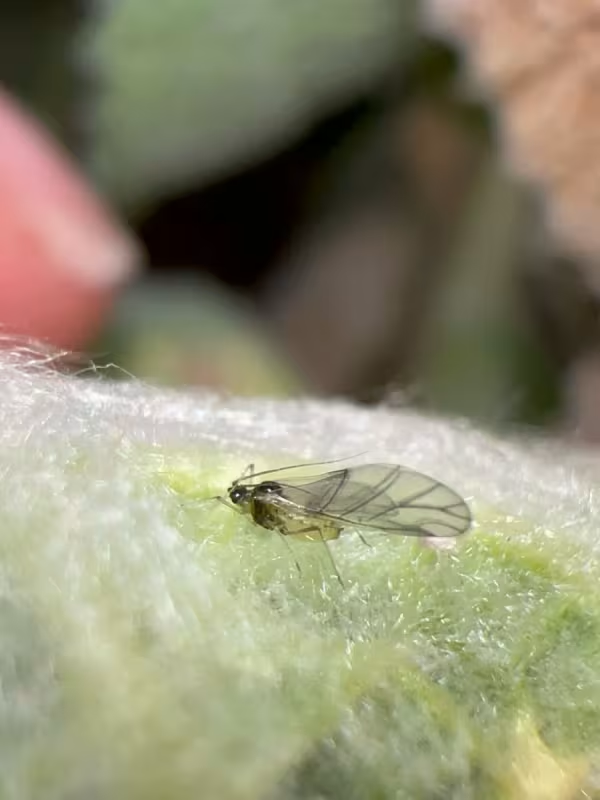
The Ovatus aphid belongs to the family Aphididae, which comprises small, sap-sucking insects that are significant pests in agricultural and horticultural settings.
These aphids are typically characterized by a soft body, small size (2-3 mm), and long antennae, with a color profile often ranging from light green to yellowish.
Their life cycle involves sexual and asexual reproduction phases, which allow them to rapidly increase their population during the growing season.
Winter survival is usually achieved through overwintering eggs deposited on host plant stems, ensuring a swift start to infestation in the early spring.
Adults exhibit polymorphism, appearing as either winged or wingless forms, which facilitates both local colonization and dispersion to distant host plants.
What it damages
Ovatus species primarily target members of the Lamiaceae family, such as mint, balm, and various aromatic herbs, causing direct physiological stress to the plants.
By piercing plant tissues with their specialized mouthparts, these aphids drain nutrient-rich phloem sap, depriving the plant of essential resources.
This persistent feeding habit leads to severe leaf curling, stunted development of young shoots, and a reduction in the overall vigor of the host plant.
Beyond physical damage, their feeding causes physiological impairment, reducing the plant's capacity for photosynthesis and lowering secondary metabolite production.
Furthermore, they act as vectors for various plant viruses, which can cause systemic infections that are far more damaging than the aphid feeding itself.
Signs of infestation
Leaf curling or rolling, particularly on the terminal shoots, is the most common diagnostic sign of an active infestation by Ovatus aphids.
A shiny, sticky substance known as honeydew often accumulates on the upper surfaces of lower leaves, creating an ideal environment for sooty mold growth.
The presence of sooty mold, which appears as a black, soot-like coating on leaves and stems, significantly hinders gas exchange and light absorption.
General yellowing (chlorosis) of the foliage and premature leaf drop are frequently observed when populations reach economic threshold levels.
Mutualistic associations with ants, which are seen patrolling the plants to "farm" the aphids for honeydew, serve as a clear indicator of a high aphid presence.
Control measures
Integrated Pest Management (IPM) for Ovatus aphids includes regular monitoring and cultural practices such as removing infested plant debris and wild hosts.
Conservation biological control, which promotes the presence of natural predators like lady beetles, lacewings, and hoverflies, is highly recommended.
When chemical intervention is necessary, the use of systemic or contact insecticides targeting the undersides of leaves is considered standard practice.
Organic options, including the application of horticultural oils, insecticidal soaps, or neem oil, can effectively suppress small infestations without residues.
Proper sanitation and balanced fertilization contribute to healthier plants that are better able to withstand the stress caused by minor aphid populations.
Taxonomy
- Latin name
- Ovatus
- Order
- Hemiptera (bugs, aphids, leafhoppers)
- Family
- Aphididae
- EPPO code
- OVATSP
Discussion
No discussions yet — be the first.