
Ovatomyzus calaminthae
Ovatomyzus calaminthae
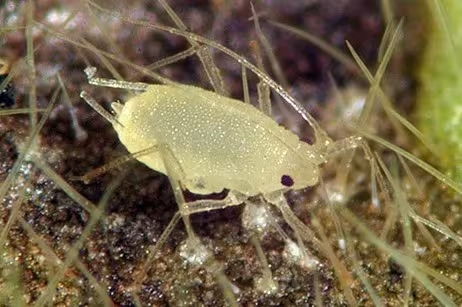
Description
How to identify
Ovatomyzus calaminthae is a specialized aphid species belonging to the Aphididae family, primarily known for inhabiting plants within the Lamiaceae family.
These insects are characterized by their small size and specific adaptation to the micro-environment of their host plants, often hiding in crevices or leaf undersides.
Their life cycle involves complex generations of wingless and winged individuals, which allows them to adapt and spread efficiently in different environments.
Entomological identification often relies on microscopic analysis of their abdominal structures, as they can be easily confused with other generic aphid species.
They are highly dependent on the host plant's physiological state, flourishing especially during the rapid growth stages of the plant's seasonal cycle.
What it damages
The primary hosts for this pest include Calamintha species and other related mint family plants, which are commonly grown in home gardens and nurseries.
By extracting plant sap, these aphids directly impair the plant's ability to transport nutrients, leading to stunted growth and reduced vigor.
The feeding process causes physical stress and damage to the epidermis of the leaves, which creates entry points for secondary plant pathogens.
The persistent drain on plant resources often results in smaller flower production and less aromatic foliage, which is critical for herb gardens.
Massive infestations can cause significant leaf drop and may eventually lead to the death of small or vulnerable specimen plants if left untreated.
Signs of infestation
The first visual sign is often the curling and deformation of new, tender leaves where the aphid colonies establish themselves.
The presence of honeydew, a sticky substance secreted by the aphids, creates a distinct sheen on the upper surfaces of lower leaves.
Sooty mold typically develops on the honeydew, manifesting as a dark, dusty layer that blocks sunlight and interferes with photosynthesis.
Increased ant activity around the plants is a reliable secondary indicator, as ants frequently tend to aphids to harvest the honeydew.
- Yellowing of leaf margins.
- Presence of shed white exuviae on leaf surfaces.
- Wilting of terminal shoots despite adequate watering.
Control measures
Routine inspection of the lower leaf surfaces is the most critical step in managing Ovatomyzus calaminthae before it reaches high population density.
Manual removal of heavily infested leaves and rinsing the plants with a pressurized water spray can effectively reduce initial aphid counts.
In cases where infestations are persistent, the application of horticultural soaps or neem oil is often recommended to target the pests directly.
Systemic insecticides should be considered a last resort and used cautiously to avoid harming beneficial pollinator insects in the garden.
Maintaining plant health through optimal nutrition and adequate spacing ensures that the plants are more resilient and less attractive to pest colonization.
Taxonomy
- Latin name
- Ovatomyzus calaminthae
- Order
- Hemiptera (bugs, aphids, leafhoppers)
- Family
- Aphididae
- EPPO code
- OVATPU
Discussion
No discussions yet — be the first.