
Leafminer fly
Ophiomyia
Description
How to identify
The leafminer fly belongs to the order Diptera and the family Agromyzidae. These are small insects, typically measuring between 1 to 3 mm in length.
Adults are generally black, grey, or yellow-black in appearance, possessing a specialized ovipositor used to pierce plant tissues for feeding and laying eggs.
Larvae are legless, maggot-like, and pale, spending their entire development phase feeding within the mesophyll layer of the leaves, which protects them from predators.
The life cycle encompasses four stages: egg, larva, pupa, and adult. Pupation often occurs in the soil or on plant debris, allowing the species to overwinter effectively.
The number of generations per year is highly dependent on environmental conditions, with multiple cycles possible in warm climates or greenhouse settings.
What it damages
Leafminers are polyphagous pests that affect a wide range of vegetable, ornamental, and field crops including tomatoes, cucumbers, and legumes.
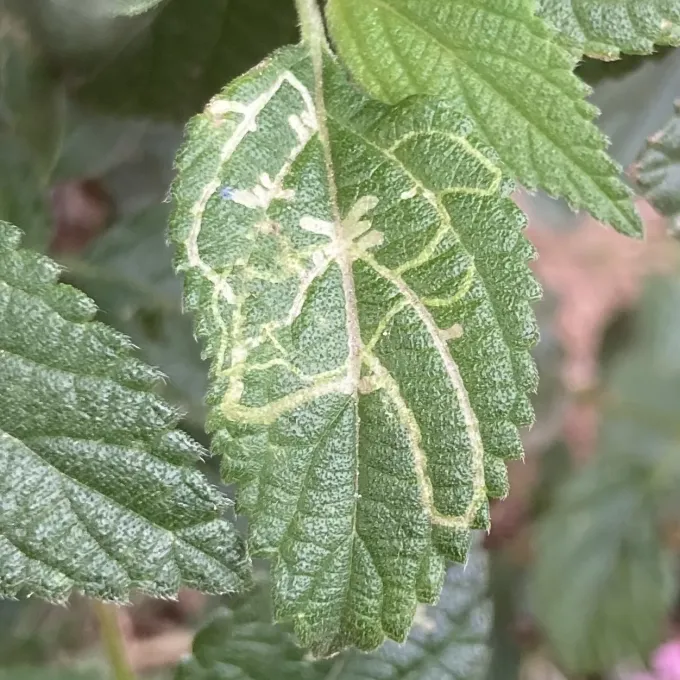
The primary damage is caused by the larvae, which create characteristic serpentine mines while consuming the internal tissues of the leaf blade.
Adult flies cause additional stress by creating numerous feeding punctures on the leaf surface, which can serve as entry points for pathogens.
The destruction of photosynthetic tissue reduces the plant's ability to produce energy, leading to stunted growth, wilting, and decreased crop yield.
Severe infestations often result in premature leaf drop, which can lead to significant economic losses in commercial vegetable production.
Signs of infestation
The most visible symptom is the presence of winding, thread-like white or brownish tunnels on the surface of the foliage, commonly referred to as mines.
Plants heavily infested with leafminers show signs of chlorosis, leaf curl, and eventually necrosis of the affected leaf tissue areas.
Close inspection of the mines reveals the presence of dark-colored frass (fecal matter) left by the larvae in a trail pattern within the tunnel.
Small, pale spots resulting from adult feeding punctures can be seen on the leaves, which aggregate over time as the adult population increases.
Growth suppression is a critical sign; plants struggle to maintain their development, and the fruit quality can deteriorate due to lack of nutrition.
Control measures
Cultural control is paramount, including the destruction of infested plant debris, deep soil cultivation, and effective weed management around the perimeter.
Yellow sticky cards are a standard monitoring and control tool in greenhouses, helping to capture adult flies and track the density of the pest population.
Biological control options involve the release of parasitoid wasps from the Braconidae or Eulophidae families, which effectively target the larval stage.
Chemical intervention should utilize systemic insecticides that can reach the larvae hidden within the leaf tissue, following strict application guidelines.
- Maintain strict greenhouse sanitation.
- Monitor crops weekly for early signs.
- Apply biological pest control agents.
- Rotate crops to disrupt life cycles.
Taxonomy
- Latin name
- Ophiomyia
- Order
- Diptera (flies)
- Family
- Agromyzidae
- EPPO code
- OPHOSP
Discussion
No discussions yet — be the first.