
Oncopera
Oncopera
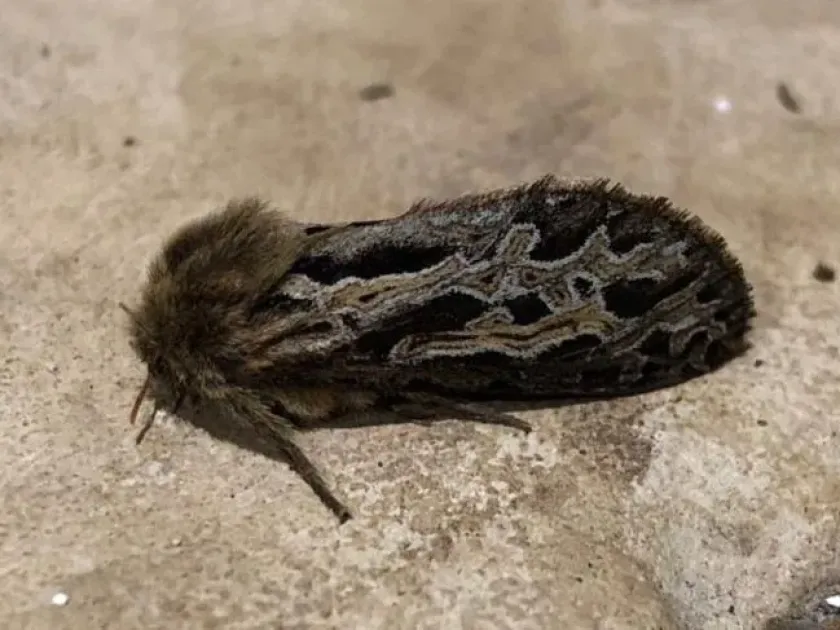
Description
How to identify
Oncopera is a genus of moths belonging to the family Hepialidae, commonly known as ghost moths or swifts. These insects are significant pests in temperate grassland and agricultural regions.
The adult moths are generally nocturnal and exhibit cryptic coloration, which provides excellent camouflage against their natural surroundings during the day.
The larvae, often referred to as "grass grubs" or "underground caterpillars," are the primary life stage responsible for plant damage, living in vertical tunnels within the soil.
Their life cycle includes egg, larval, pupal, and adult stages, with the larval stage being the longest and most destructive period of their development.
Proper identification is crucial for effective management, as different species may have slight variations in their emergence timing and preferred host plants.
What it damages
Oncopera larvae primarily feed on grasses, cereals, and clover, causing extensive damage to pastures, lawns, and forage crops through heavy grazing.
They consume both above-ground foliage and roots, often cutting the plants at the base, which leads to rapid wilting and the death of the vegetation.
This feeding behavior creates characteristic patches of dead or thinning grass, which can significantly reduce the grazing capacity of livestock pastures.
By attacking the root zone, they impair the plant's ability to absorb water and nutrients, making the crops highly susceptible to environmental stress.
In high-density outbreaks, these pests can denude entire fields, resulting in severe economic losses for farmers and land managers.
When it appears
Adult moths typically emerge during the late summer and autumn, which is when mating and egg-laying occur across infested fields.
The larvae hatch shortly after and remain active through the autumn and winter months, gradually increasing their feeding intensity as they grow.
Spring is the peak season for larval growth and associated damage, as the grubs prepare for their transition into the pupal stage.
Pupation usually takes place in late spring or early summer, with the pupae residing safely within their subterranean tunnels until adult emergence.
Monitoring the flight activity of adult moths using light traps is an essential strategy for predicting the potential severity of the next season's larval infestation.
Signs of infestation
One of the most obvious signs of an Oncopera infestation is the presence of bare patches in otherwise healthy pastures where the turf has been decimated.
Small holes on the soil surface, often surrounded by frass (larval excrement) or silk-lined tunnels, indicate the presence of caterpillars underneath.
Turf that is easily pulled away from the soil, showing evidence of root destruction, confirms that the grass has been compromised by root-feeding larvae.
Increased bird activity, particularly starlings or gulls foraging in a specific field, is often a reliable indicator of high larvae density in the soil.
General loss of vigor and yellowing of the grass, despite adequate irrigation, warrants a thorough investigation of the root zone for larval damage.
Control measures
Cultural control methods such as regular mowing, heavy grazing, or soil cultivation can disrupt the habitat of the larvae and reduce their survival rates.
Biological control agents, including parasitic nematodes or specific fungi, are increasingly used as sustainable alternatives to chemical insecticides.
If chemical intervention is necessary, insecticides should be applied when the larvae are actively feeding near the surface to maximize efficacy.
- Use crop rotation to break the pest's reproductive cycle.
- Maintain healthy pasture density to discourage egg-laying.
- Implement early detection monitoring to apply spot treatments instead of field-wide spraying.
Integrating multiple control strategies is the most effective approach to managing Oncopera and maintaining the productivity of grasslands.
Taxonomy
- Latin name
- Oncopera
- Order
- Lepidoptera (butterflies)
- Family
- Hepialidae
- EPPO code
- ONCASP
Discussion
No discussions yet — be the first.