
Nipponaphis distyfoliae
Nipponaphis distyfoliae
Description
How to identify
Nipponaphis distyfoliae is a specialized aphid species belonging to the family Aphididae, subfamily Hormaphidinae. It is primarily recognized for its unique ability to induce the formation of galls on specific host plants.
The insect possesses specific biological adaptations that allow it to reside within these leaf structures. These galls provide an ideal microenvironment, protecting the aphids from predators and adverse weather conditions.
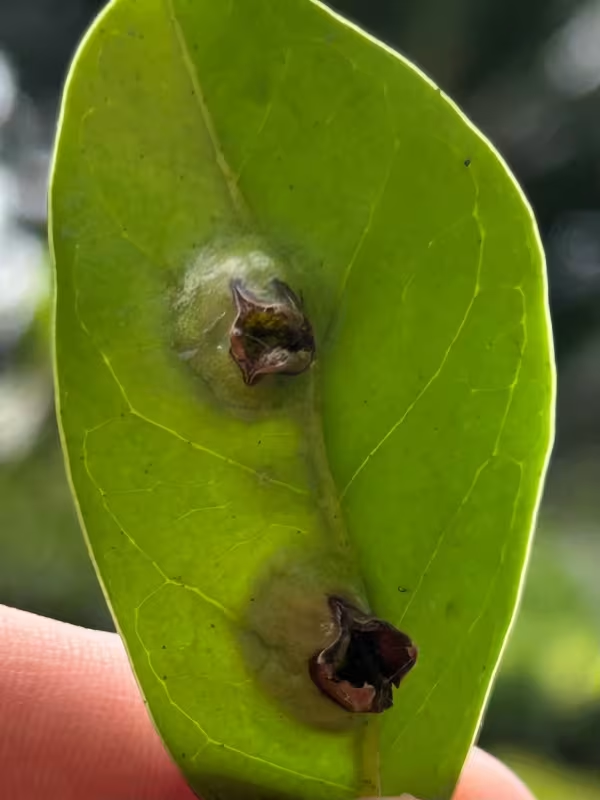
The identification of this species is largely based on the morphology of the galls produced on the leaves. These structures are often species-specific, serving as a reliable diagnostic feature.
The lifecycle involves a complex alternation of generations, which is common in the tribe Nipponaphisini. Understanding this cycle is crucial for effective monitoring and long-term pest management.
While the aphid itself is rarely seen without dissecting the galls, the presence of these structures serves as a clear indicator of the pest's activity within the plant canopy.
What it damages
The primary host for Nipponaphis distyfoliae is the genus Distylium, most notably Distylium racemosum. These ornamental plants are susceptible to infestation, especially in managed landscapes.
The aphid feeds on the sap of young shoots and leaves. The formation of the gall causes local disruption of plant tissues, which can impede the overall growth and vigor of the host plant.
Infestation results in the formation of woody, conical, or spherical galls on the leaves. These structures detract significantly from the aesthetic appeal of the ornamental foliage.
Heavy infestations can lead to premature leaf drop and the distortion of new growth. This loss of photosynthetic capacity weakens the tree over successive seasons.
In nursery settings, the presence of these galls can lead to the rejection of plants, making it a pest of economic significance in the horticultural industry.
Signs of infestation
The most prominent sign of infestation is the appearance of distinct, hardened galls on the leaves. These can range in color from pale green to reddish-brown.
These galls are often firm to the touch and can be either sessile or slightly elongated. Their appearance on the foliage is typically the first alert for gardeners and professionals.
Upon opening a fresh gall, one can find a colony of aphids living inside. They are often accompanied by white, waxy secretions that protect them from desiccation.
Affected leaves may show signs of abnormal curling, twisting, or irregular thickening. The damage is localized to the area of the gall but impacts the entire leaf's health.
In severe cases, the visual impact of multiple galls per leaf can make the plant appear unsightly and heavily neglected, requiring immediate intervention.
Control measures
Mechanical control is often the most effective approach for small-scale infestations. This involves pruning and disposing of all leaves or twigs that show signs of gall formation.
For larger infestations, systemic insecticides are recommended. Since the insects are protected inside the galls, only systemic compounds that move through the plant's vascular system will be effective.
Application timing is critical; treatments should be performed just as the young aphids begin to emerge or before the galls have fully hardened and matured.
Maintaining the overall health of the Distylium plants through proper watering and fertilization can help them withstand the stress of infestation better.
- Sanitary pruning of infested plant parts.
- Application of systemic insecticides during early spring.
- Regular canopy inspections for early gall development.
- Encouraging local populations of predatory insects like lady beetles.
Taxonomy
- Latin name
- Nipponaphis distyfoliae
- Order
- Hemiptera (bugs, aphids, leafhoppers)
- Family
- Aphididae
- EPPO code
- ASPXDI
Discussion
No discussions yet — be the first.