
Nippolachnus
Nippolachnus
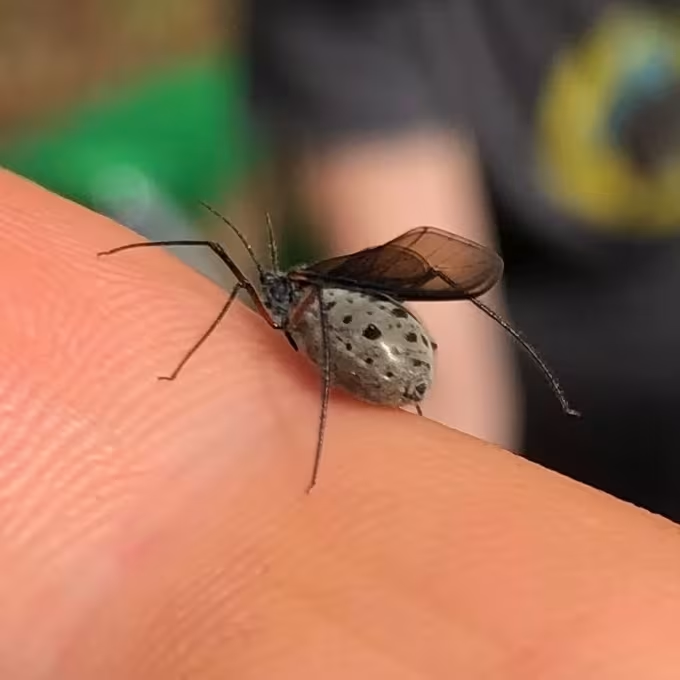
Description
How to identify
Nippolachnus is a genus of aphids belonging to the Aphididae family. These insects are closely related to other sap-sucking pests that target fruit-bearing trees.
Adult insects are typically characterized by a specific body shape and distinct coloration, allowing them to blend in with the bark or the undersides of leaves.
The life cycle involves both sexual and asexual reproduction, which enables them to rapidly multiply during the peak growing season of host plants.
Overwintering usually occurs in the egg stage, which the aphids deposit on the bark of young shoots to survive unfavorable winter temperatures.
They live in dense colonies, which is an evolutionary strategy to ensure survival and facilitate communal feeding on the host plant.
What it damages
The primary hosts for Nippolachnus species are pome fruit trees, specifically apple and pear varieties, where they can cause significant economic losses.
By piercing the plant tissues and extracting sap, these aphids deplete the tree of vital nutrients, significantly weakening the affected branches.
The feeding activity often results in stunted growth, leaf curling, and poor development of flower buds, which directly impacts fruit yield.
As well as causing direct harm, these aphids are known to be vectors for various viral diseases that can permanently damage the health of the tree.
The overall vigor of the tree is compromised, making it susceptible to secondary infections, environmental stressors, and wood-boring pests.
Signs of infestation
The initial signs of infestation include the presence of honeydew on the leaves, a sticky substance excreted by the aphids during their feeding process.
Leaves often exhibit severe curling or deformation, which serves as a protective habitat for the aphids against predators and harsh sunlight.
A noticeable presence of ants moving up and down the trunk is a common secondary sign, as they tend to the aphids for their sweet secretions.
Sooty mold growth, which appears as a black coating on the leaves and stems, is a direct consequence of the accumulated honeydew left by the colony.
Upon close inspection, clusters of dark-colored aphids can be observed gathered along the veins of leaves or on the tender tips of young branches.
Control measures
Integrated pest management (IPM) is recommended, focusing on early detection and the use of targeted insecticide applications when thresholds are reached.
Cultural practices such as proper pruning and the removal of basal suckers help to reduce potential habitats for the aphids and their eggs.
Encouraging the presence of natural predators, such as lady beetles and lacewings, is an effective biological control method to keep populations in check.
The use of sticky barriers on tree trunks prevents ants from accessing the tree, which often leads to a natural decline in the aphid population.
Dormant oil sprays applied in late winter or early spring can be very effective in destroying the overwintering eggs before the growing season begins.
Taxonomy
- Latin name
- Nippolachnus
- Order
- Hemiptera (bugs, aphids, leafhoppers)
- Family
- Aphididae
- EPPO code
- NIPPSP
Discussion
No discussions yet — be the first.