
Styrax gall aphid
Neothoracaphis yanonis
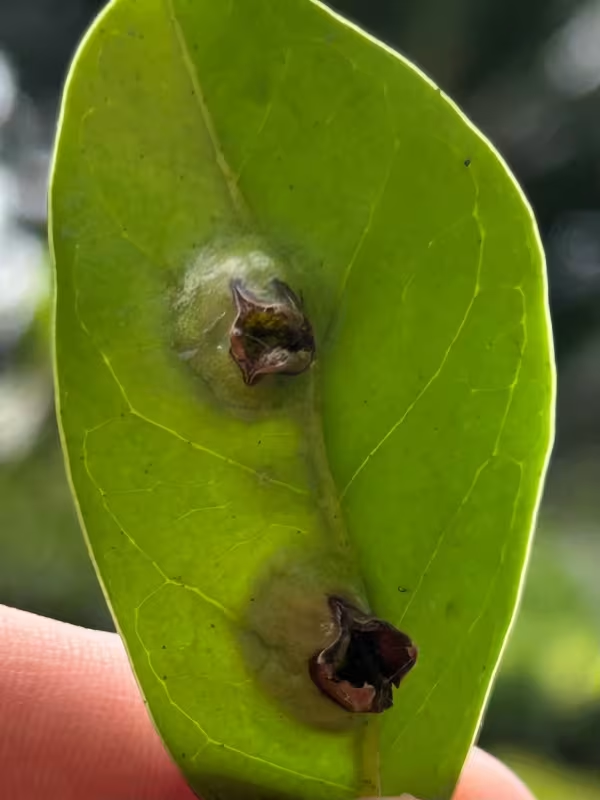
Description
How to identify
The Styrax gall aphid, Neothoracaphis yanonis, is a member of the Aphididae family. It is a small insect that exhibits a complex lifecycle, often dwelling within specialized plant structures called galls.
These insects are highly specialized, having evolved to induce specific morphological changes in the leaves of their host plants to create a protected microhabitat.
Identification often requires close inspection, as the aphids are frequently obscured by the gall tissue or their own secretions during the growth phase.
The insect possesses distinct developmental stages, and its appearance can vary significantly depending on the generation and the time of the season.
Understanding the taxonomy of this species is essential for professional gardeners, as general-purpose pesticides may sometimes be less effective than targeted interventions.
What it damages
The primary host for this species is Styrax japonicus. The aphid induces the formation of woody or fleshy galls on the leaves, which significantly harms the aesthetic value of the tree.
By feeding on plant sap, the aphids weaken the tree, leading to stunted growth, reduced foliage quality, and occasional early leaf drop in heavily infested individuals.
The deformation of leaves impacts the tree's photosynthetic capability, reducing the energy available for flowering and overall long-term vigor.
While often considered a cosmetic pest, severe infestations can predispose the tree to other environmental stresses or secondary fungal infections.
If left unchecked, the population can rapidly colonize most of the tree's canopy, making it difficult to reverse the damage once the galls are fully developed.
When it appears
The lifecycle is strictly synchronized with the phenology of the Styrax tree. Activity usually begins in early spring, coinciding with the flushing of new buds.
Summer is the period of maximum gall development, during which the aphid population multiplies rapidly within the safety of these plant structures.
As autumn approaches, the aphids prepare for winter, typically seeking shelter in bark crevices or near bud scales to survive the colder months.
Favorable weather conditions, especially a warm and moist spring, often lead to higher infestation rates as the insects emerge and colonize new leaves.
Monitoring should be conducted diligently from the moment buds break to ensure that the infestation is caught before the galls have hardened significantly.
Signs of infestation
The most diagnostic sign of an infestation is the presence of abnormal swellings or galls on the leaf surface, which can take various irregular shapes.
Early symptoms include mild leaf curling, discoloration, or small, unnatural protuberances that appear shortly after the leaves have unfurled.
The presence of honeydew on the leaves, combined with active ant traffic, often indicates that an aphid colony is currently feeding on the plant.
Inspecting the underside of the leaves often reveals the insects themselves, or the entrance holes to the galls if they have begun to mature.
If the tree appears generally sickly with yellowing leaves or premature leaf drop without any apparent reason, a thorough search for aphid galls is recommended.
Control measures
Control strategies rely heavily on the use of systemic insecticides that are absorbed by the plant and translocated into the tissues to reach the aphids.
Applying treatment during the early spring, just as the leaves are opening, is critical to prevent the aphids from successfully initiating gall formation.
In smaller landscapes, manual removal of infested leaves during the early stages of gall development can significantly reduce the local aphid population.
- Apply systemic insecticides containing imidacloprid or acetamiprid.
- Maintain tree vigor through proper irrigation and balanced fertilization.
- Encourage biological control agents like lady beetles and lacewings.
Rotating chemical products with different modes of action is highly advised to avoid the development of resistance in the aphid population over subsequent seasons.
Taxonomy
- Latin name
- Neothoracaphis yanonis
- Order
- Hemiptera (bugs, aphids, leafhoppers)
- Family
- Aphididae
- EPPO code
- NEOOYA
Discussion
No discussions yet — be the first.