
Foxglove aphid
Neomyzus circumflexus
Description
How to identify
The Foxglove aphid (Neomyzus circumflexus) is a small sap-sucking insect belonging to the Aphididae family. It is primarily known as a significant pest in greenhouse and indoor environments.
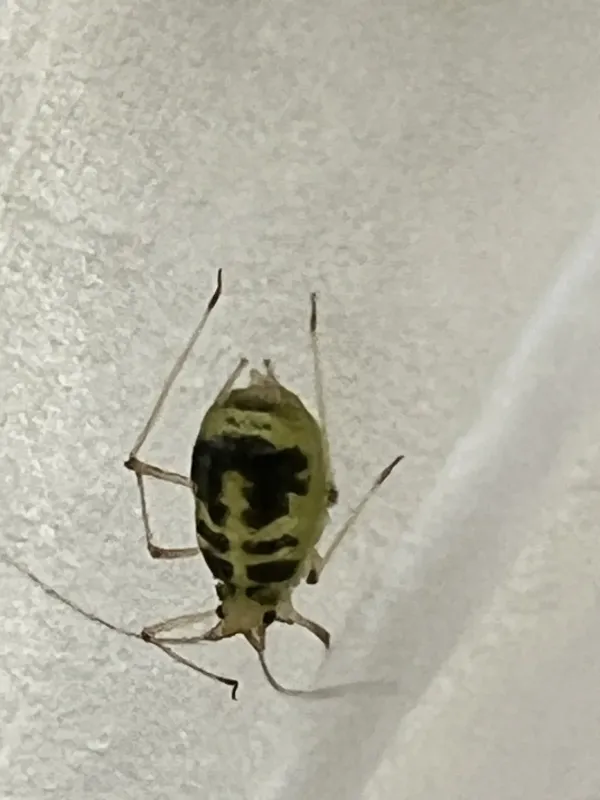
Adult aphids are easily identified by a distinct, dark, horseshoe-shaped or circular patch on their abdomen. Their bodies are typically shiny and light green in color.
These insects possess exceptionally long antennae, which are often longer than the body itself. Winged morphs exhibit clear pigmentation patterns on the dorsal side of the abdomen.
The life cycle is characterized by rapid parthenogenesis, where females produce live young without mating. This reproductive strategy leads to explosive population growth in warm settings.
While optimal development occurs between 20–25 degrees Celsius, these aphids are highly adaptable and thrive in high-humidity conditions common in professional greenhouses.
What it damages
This species is a highly polyphagous pest, meaning it attacks a wide variety of ornamental, vegetable, and herb plants. It is particularly damaging to greenhouse-grown crops.
Host plants include diverse species such as foxglove, fuchsia, cyclamen, lilies, and various vegetables like cucumbers and lettuce. They target young, succulent plant tissues.
By extracting plant sap, these aphids cause severe nutritional depletion. This results in stunted growth, chlorosis, and the overall weakening of the host plant's physiological condition.
Beyond direct feeding, Neomyzus circumflexus is a known vector for several plant viruses, which can lead to rapid transmission of diseases throughout an entire greenhouse facility.
The damage is compounded by the heavy infestation of growing tips, which prevents the proper development of flowers and leaves, causing significant economic loss to growers.
Signs of infestation
Visible curling and twisting of young leaves are the most common early signs of a Foxglove aphid infestation. Stunted shoots are also frequently observed in affected areas.
A sticky substance known as honeydew covers the leaves, which subsequently promotes the growth of sooty mold, a black fungus that interferes with the plant's photosynthesis.
Heavy colonies congregate on the undersides of leaves and on tender flower buds. Their presence is often detected by the observation of white, shed skins (exuviae) left on foliage.
Flowers on infected plants often fail to open properly or suffer from premature drop. This symptom is particularly critical for nursery and ornamental plant production.
If left unmanaged, the rapid spread of the colony can lead to a visible decline in the overall vigor and aesthetic quality of the crop within just a few days.
Control measures
Managing this pest requires a multifaceted integrated pest management (IPM) approach to ensure long-term control and minimize chemical usage in sensitive areas.
Sanitation practices are paramount: removing weeds from greenhouse perimeters and inspecting new plant material thoroughly before introduction are essential preventative steps.
Biological control agents, such as parasitoid wasps (Aphidius species) and predatory lacewings, can be introduced to keep aphid populations below the threshold of economic damage.
When chemical interventions are necessary, choosing systemic insecticides or horticultural oils that are labeled for the specific crop ensures effective management with minimal impact.
- Monitor aphid presence using yellow sticky traps placed throughout the greenhouse.
- Adjust humidity and ventilation to create less favorable conditions for aphid development.
- Regularly inspect the undersides of leaves for the first signs of colonization.
Taxonomy
- Latin name
- Neomyzus circumflexus
- Order
- Hemiptera (bugs, aphids, leafhoppers)
- Family
- Aphididae
- EPPO code
- MYZUCI
Discussion
No discussions yet — be the first.