
Poultry depluming mite
Neocnemidocoptes gallinae
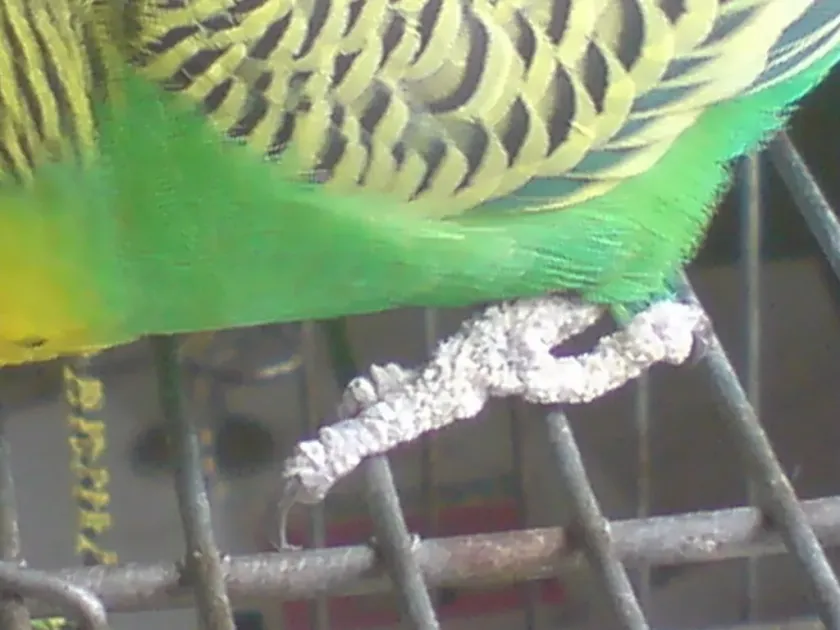
Description
How to identify
The poultry depluming mite Neocnemidocoptes gallinae is a microscopic parasite belonging to the order Sarcoptiformes and the family Knemidokoptidae.
The adult female mite is very small, measuring approximately 0.3–0.4 mm in length, while the male is slightly smaller, making them difficult to detect without magnification.
These mites are burrowing parasites that live deep within the epidermis near the base of the feathers, where they complete their entire life cycle on the host.
Because they spend their entire life on the bird, transmission occurs primarily through direct contact between birds or via contaminated equipment and bedding material.
Proper identification usually requires a deep skin scraping from the affected areas of the bird, which should be examined under a microscope by a veterinarian.
What it damages
The mite affects various types of poultry, including chickens, turkeys, pheasants, and pigeons, causing a condition widely known as knemidocoptiasis.
By burrowing into the skin near the feather follicles, the mites cause severe irritation and inflammation, leading to the destruction of the feather structure.
This results in the bird constantly plucking out its own feathers, leading to widespread plumage loss, skin crusting, and potential secondary bacterial infections.
The infestation causes significant stress to the birds, reducing their feed efficiency, egg production, and overall weight gain during the growth period.
If left untreated, severe infestations can lead to physical exhaustion and can spread rapidly throughout an entire flock, causing major economic losses.
Signs of infestation
The first clinical signs of infestation include restlessness, intense itching, and visible feather plucking by the bird in the affected areas, such as the back, wings, and tail.
Upon closer examination, the skin shows patches of alopecia accompanied by dry scabs and scales around the feather follicles.
The shafts of the remaining feathers often appear broken, frayed, or dull in color, which is a clear indicator of the mite's damaging activity on the plumage.
In advanced cases, the skin becomes thickened, inflamed, and may bleed, causing distress to the bird and increasing the risk of cannibalism within the flock.
General weakness and reduced vigor of the bird are also typical indicators of a well-established mite population affecting the host's overall health.
Control measures
Effective control of Neocnemidocoptes gallinae requires the use of veterinary-approved acaricides applied directly to the birds to eradicate the mites.
Strict sanitation and hygiene practices in the poultry house are essential, including the removal and destruction of contaminated bedding and thorough cleaning of facilities.
Isolating infected birds is a critical step to prevent the further spread of the parasite to healthy members of the flock.
- Application of specialized acaricidal sprays or topical treatments to the birds.
- Thorough cleaning and disinfection of the housing area with insecticidal solutions.
- Replacing old bedding and maintaining dry, clean conditions in the coop.
- Implementing a strict quarantine procedure for any new birds entering the farm.
Regular monitoring and prophylactic treatment of the flock help to keep the mite population under control and maintain the overall productivity of the birds.
Taxonomy
- Latin name
- Neocnemidocoptes gallinae
- Order
- Mites
- Family
- Knemidokoptidae
- EPPO code
- KNEMGA
Discussion
No discussions yet — be the first.