
Scaly leg mite
Knemidokoptes mutans
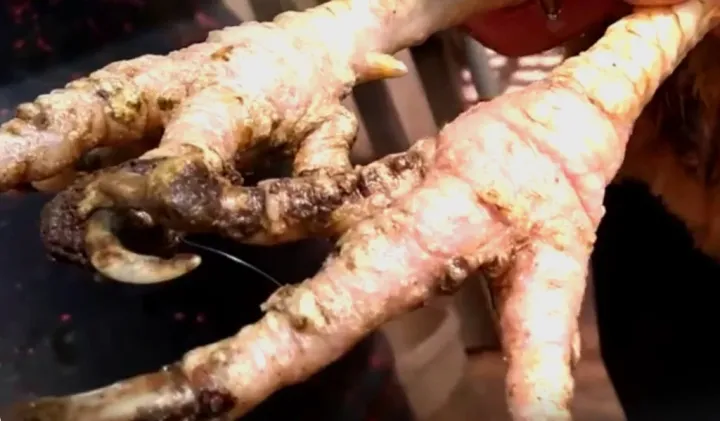
Description
How to identify
The scaly leg mite, Knemidokoptes mutans, is a microscopic parasite belonging to the Knemidokoptidae family. It is a skin-dwelling mite that burrows deep into the epidermis of birds.
Adult mites are extremely small, measuring approximately 0.2 to 0.5 mm in length. They have a round, globose body with short legs adapted for burrowing through keratinized skin layers.
The mite completes its entire life cycle on the host bird. The females are viviparous, giving birth to larvae instead of laying eggs, which allows for rapid population growth within the host's skin.
Transmission occurs primarily through direct contact with infected birds or contaminated bedding and perches. They are highly contagious within a poultry flock.
The parasite is most active in warm conditions, but it can survive for short periods in the environment, necessitating rigorous sanitation of the poultry house.
What it damages
The mite primarily affects domestic poultry, including chickens, turkeys, pheasants, and partridges. The infestation is most commonly observed on non-feathered parts of the legs and feet.
By feeding on tissue fluids and epidermal cells, the mites create tunnels in the skin. This activity causes intense inflammation and physical destruction of the dermal layers.
The resulting damage often leaves the skin susceptible to secondary bacterial and fungal infections. This combination significantly degrades the health of the bird.
Severe infestations cause extreme pain, difficulty walking, and eventual lameness. This prevents the bird from foraging, leading to weight loss and reduced egg production.
If the mites spread to the beak or wattles, they can cause permanent structural damage and disfigurement, hindering the bird's ability to eat properly.
Signs of infestation
The most recognizable sign is the development of crusty, greyish-white deposits on the shanks and feet. This condition is colloquially known as "scaly leg."
Affected birds often show signs of discomfort, such as frequent pecking at their feet or rubbing them against surfaces. The itching intensifies during the night when mites are active.
As the infestation progresses, the scales on the legs become elevated and separated. Thick, rough crusts form, which can eventually lead to the shedding of scales or even toes.
In advanced cases, the legs appear severely swollen and deformed. The accumulation of debris causes the skin to look spongy and brittle, often accompanied by bleeding.
Birds may exhibit listlessness and a reduced appetite due to chronic pain. Limping becomes increasingly obvious as the joints become inflamed and stiff.
Control measures
Control involves the use of acaricidal treatments, such as ivermectin or other effective anti-parasitic agents, administered under veterinary guidance.
Physical removal of crusts can be assisted by applying natural oils, petroleum jelly, or specialized ointments to soften the tissue and suffocate the mites.
A thorough cleaning and disinfection of the poultry housing is essential. All bedding must be removed and incinerated, and surfaces should be sprayed with suitable disinfectants.
Strict quarantine measures should be applied to any new birds before introducing them to the flock. Regular inspections of the legs of all birds are crucial for early detection.
- Regular application of prescribed acaricidal sprays or oils
- Maintaining a clean and dry poultry housing environment
- Isolation and treatment of infected birds immediately
- Nutritional support to improve skin health and immune function
- Routine disinfection of perches and nesting boxes
Taxonomy
- Latin name
- Knemidokoptes mutans
- Order
- Mites
- Family
- Knemidokoptidae
- EPPO code
- KNEMMU
Discussion
No discussions yet — be the first.