
Nagelus
Nagelus
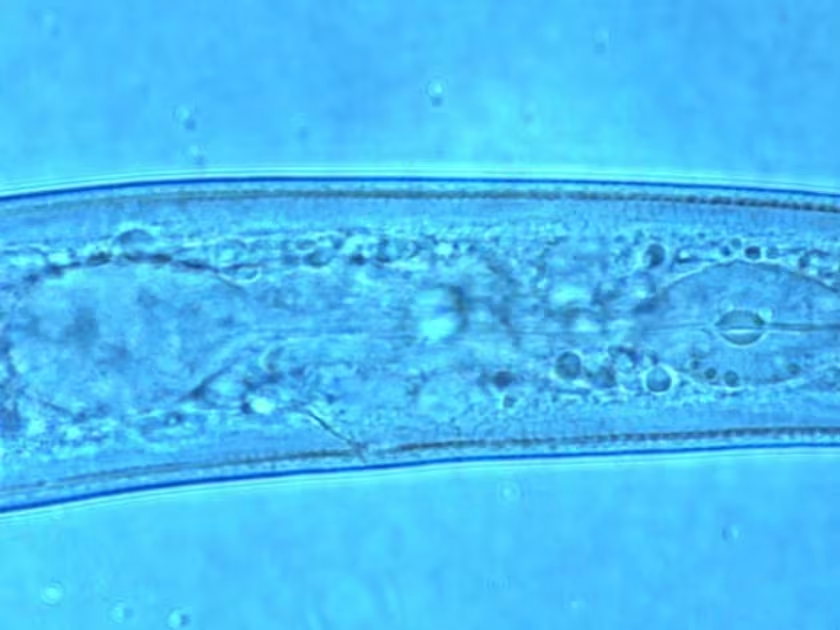
Description
How to identify
The genus Nagelus belongs to the order Tylenchida and family Dolichodoridae. These are microscopic, soil-dwelling nematodes that function as external plant parasites.
Physically, these nematodes are slender and transparent, possessing a strong, hardened stylet. This stylet is a specialized tool used to pierce plant root cells and extract nutrients.
They are invisible to the naked eye. Accurate identification of this genus requires soil extraction followed by examination under a high-power microscope by a nematologist.
These organisms are classified as ectoparasites because they do not enter the root tissue fully but remain in the rhizosphere, feeding exclusively on the outer root surface.
They are distributed throughout the topsoil profile, primarily where plant roots are most dense, as they rely on root exudates for navigation and nutritional signals.
What it damages
Nagelus species are known to infest various major crops, including wheat, barley, maize, and several vegetable varieties, causing significant agricultural losses.
The damage is caused by the nematodes' feeding activity on young root tips. This feeding disrupts the root's ability to take up water and essential nutrients from the soil.
Root systems attacked by Nagelus typically exhibit necrosis, stunted growth, and a reduction in the number of secondary and tertiary feeder roots.
As the roots are damaged, they become highly susceptible to secondary colonization by soil-borne fungi and bacteria, which often worsens the overall health of the plant.
Economic impact is seen in reduced biomass, diminished grain fill, and an overall decrease in yield potential, especially under environmental stress conditions like drought.
When it appears
The biological cycle of Nagelus is heavily influenced by soil temperature and moisture. They remain relatively inactive during winter months or extreme dryness.
As the soil warms in the spring, the nematode population becomes active and begins to search for host roots, which is when the most significant damage occurs.
In the presence of suitable host crops, the lifecycle completes rapidly, allowing for multiple generations per growing season depending on the climate zone.
When the host crop is harvested, the population may decline, but they can persist in the soil for significant periods by entering a low-metabolic state until the next planting.
Dispersal across a field is limited, but these nematodes are easily spread over longer distances through farm machinery, irrigation water, and the movement of contaminated soil.
Signs of infestation
Field symptoms often appear as localized patches of stunted or yellowish plants. These patches may expand over time if the field is not managed properly.
Plants affected by Nagelus often show symptoms similar to nutrient deficiency or drought stress, as the damaged root system fails to meet the plant's physiological demands.
When plants are carefully excavated and roots washed, they appear short, stubby, or discolored. The fine root hairs are often missing, indicating active feeding pressure.
During the peak of the growing season, infested crops will wilt more quickly than healthy ones when exposed to high temperatures or limited rainfall.
Severe infestations lead to thinning stands and uneven crop maturity, making it difficult for the plant to achieve its target yield by the end of the season.
Control measures
Crop rotation is the primary strategy for managing Nagelus. Planting non-host crops for several years can significantly reduce the soil nematode population density.
Promoting general soil health through organic amendments can help build populations of predatory soil organisms, providing natural biological control.
Proper soil fertility management helps ensure that plants can compensate for some root damage, allowing them to remain productive despite the nematode presence.
Chemical control involving nematicides is an option in intensive farming systems but should be used selectively based on thresholds and environmental safety guidelines.
- Ensure all farm equipment is cleaned to prevent the spread of infested soil.
- Monitor soil health regularly through laboratory analysis of nematode counts.
- Avoid over-irrigation in infested areas to prevent the spread of nematodes through runoff.
Taxonomy
- Latin name
- Nagelus
- Order
- Nematodes
- Family
- Dolichodoridae
- EPPO code
- NAGESP
Discussion
No discussions yet — be the first.