
Sakura aphid
Myzus higansakurae
Description
How to identify
The sakura aphid (Myzus higansakurae) is a small insect belonging to the family Aphididae (order Hemiptera). This species is specifically adapted to feed on ornamental cherry trees, particularly the sakura species.
The adults are typically pear-shaped, ranging in color from pale green to yellowish, which allows them to blend in with the young leaf tissue of their host plants. Their anatomy features well-developed siphunculi.
This aphid lives in colonies, primarily on the undersides of leaves or on tender young shoots. The life cycle involves both asexual reproduction during the growing season and sexual reproduction in autumn.
As a specialist feeder, it relies heavily on the phenology of cherry trees. The winter is passed in the egg stage, which are laid securely within the bark crevices or near the base of dormant buds.
Understanding their taxonomy is crucial for identification, as they belong to the Myzus genus, which contains several other significant agricultural pests. Accurate identification helps in selecting targeted management tools.
What it damages
The primary hosts of the sakura aphid are various species and cultivars of the genus Cerasus. These insects target succulent, newly emerged leaves and shoots that are rich in nutrients.
By piercing and sucking the phloem sap, the aphids cause severe stress to the host tree. This feeding process results in the curling, twisting, and yellowing of foliage, significantly impairing the tree's health.
In addition to direct physical damage, these aphids secrete honeydew, a sticky substance that promotes the growth of sooty mold. This fungus blocks sunlight and hinders the photosynthetic capacity of the leaves.
Heavy infestations can lead to stunted shoot growth and reduced flower production in the following season. For ornamental gardens and parks, this means a significant loss in the aesthetic value of the trees.
Stressed trees, weakened by aphid feeding, are more susceptible to secondary attacks by other pests or pathogens, potentially leading to long-term decline if not properly managed.
When it appears
The seasonal activity of Myzus higansakurae is tightly synchronized with the spring budburst of cherry trees. Larvae emerge from overwintering eggs as soon as the first green tissue appears.
The population reaches its peak during the late spring and early summer when the trees are putting out significant new growth. High humidity during this period can accelerate the reproduction rate.
During the peak of summer, if temperatures become extreme or the foliage hardens, the colony population may decrease. However, in irrigated garden settings, activity can persist through the season.
As autumn approaches, the aphid produces sexual forms. These individuals mate and lay the overwintering eggs, ensuring the species survives the winter months until the cycle begins again in spring.
The number of generations per year is dependent on the local climate. Warmer regions or warmer springs allow for more rapid turnover of generations, leading to higher overall pest pressure.
Signs of infestation
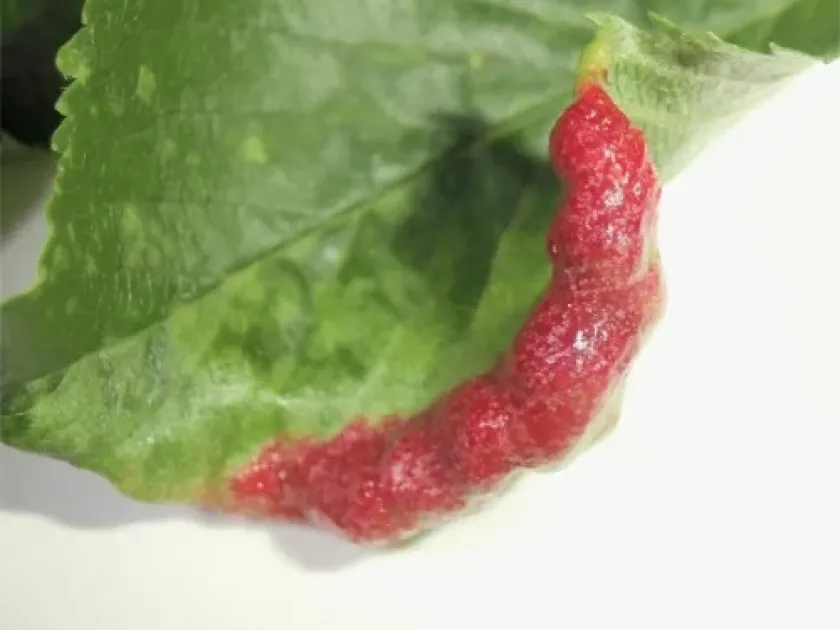
The most distinctive symptom of a sakura aphid infestation is the curling and distortion of young leaves. Leaves often roll inward, creating protected pockets where the aphid colony feeds safely.
The presence of ants patrolling the branches is a strong indicator of an aphid colony. Ants protect the aphids from predators to continue harvesting the honeydew the aphids produce.
Sticky residue on the leaves and branches is a classic sign of infestation. This honeydew often turns black due to the colonization of sooty mold, which gives the plant a messy, unhealthy appearance.
When inspecting the foliage, you can observe clusters of small, green to yellow aphids along the leaf veins. Their presence is often revealed by these visible aggregations during early spring inspections.
Premature leaf drop and visibly thinner canopy growth in mid-summer are reliable signs that an aphid colony has been actively feeding on the tree for an extended period.
Control measures
Early intervention is critical in managing the sakura aphid. Dormant oil sprays applied before budburst can effectively destroy overwintering eggs, preventing initial colony establishment.
Once the leaves have started to curl, contact insecticides become less effective because they cannot reach the insects inside the rolled leaves. Therefore, systemic insecticides are the preferred choice.
Biological control plays a significant role in managing populations. Protecting natural enemies like lady beetles, lacewings, and hoverflies can help suppress aphid numbers naturally in the garden.
Cultural practices, such as removing root suckers from the base of the tree, can eliminate common early-season breeding grounds for the aphids, reducing the initial infection load.
Monitor your sakura trees weekly starting in early spring. Early detection and targeted treatment allow you to control the population before significant damage occurs to the tree's architecture.
Taxonomy
- Latin name
- Myzus higansakurae
- Order
- Hemiptera (bugs, aphids, leafhoppers)
- Family
- Aphididae
- EPPO code
- MYZUHI
Discussion
No discussions yet — be the first.