
Cymbalaria aphid
Myzus cymbalariae
Description
How to identify
The Cymbalaria aphid, scientifically known as Myzus cymbalariae, is a small insect species belonging to the family Aphididae. It is recognized as a significant pest that specializes in certain herbaceous plant hosts.
The adult aphids typically measure between 1.5 and 2.5 mm in length. Their coloration ranges from yellowish-green to brownish, which often allows them to blend in with the leaf tissue of their host plants.
The species exists in both apterous (wingless) and alate (winged) forms. The winged morphs are primarily responsible for the dispersal and colonization of new host plants during the warmer months of the year.
Its life cycle is typical of the Myzus genus, characterized by rapid parthenogenetic reproduction during the active growing season, allowing for the quick formation of dense colonies on undersides of leaves.
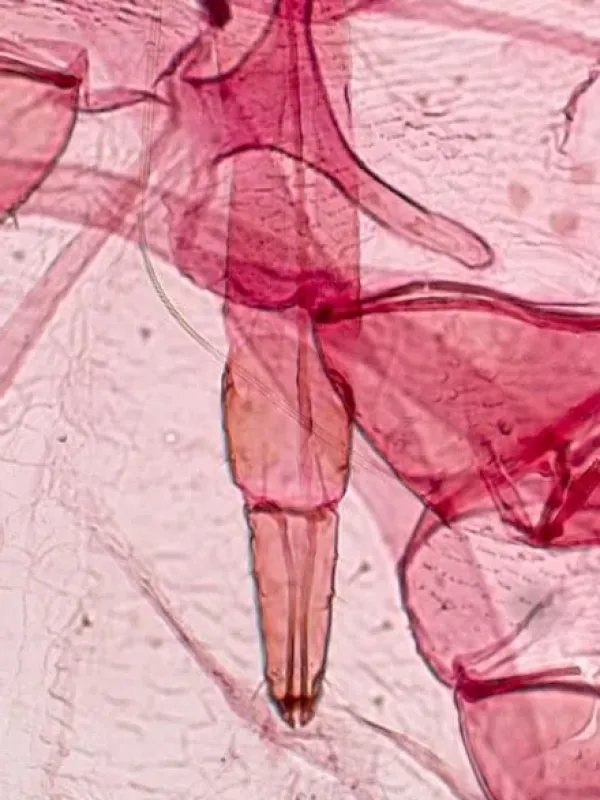
Identification is confirmed through the examination of specific microscopic features, such as the shape of the frontal tubercles, siphunculi, and the cauda, which are diagnostic traits for this particular species.
What it damages
This species primarily infests plants in the Ranunculaceae family and Cymbalaria muralis. In domestic and agricultural settings, it can also spread to a variety of susceptible garden vegetables and ornamentals.
Damage is caused by the withdrawal of phloem sap, which deprives the host plant of essential nutrients. This nutritional stress leads to a significant decline in plant vigor and overall health.
Direct feeding damage manifests as stunted growth and the curling or twisting of leaves. When colonies are large, the tips of the shoots may become distorted, hindering the plant's ability to thrive.
Beyond physical damage, the Cymbalaria aphid acts as a vector for various plant viruses. Transmission occurs during the feeding process, introducing pathogens into the plant system that can cause systemic infections.
The cumulative effect of pest feeding and virus transmission often results in reduced yields and a loss of aesthetic quality in ornamental plantings, requiring immediate intervention to prevent spread.
Signs of infestation
A primary indicator of an infestation is the curling and yellowing of foliage. Infected leaves often lose their natural orientation and appear shriveled or deformed, especially on younger growth.
The presence of honeydew, a sticky substance secreted by the aphids, is a tell-tale sign. This excretion covers the leaves, providing an ideal medium for the growth of sooty mold, a black fungal layer.
Ant activity on plants is frequently associated with aphid colonies. Ants are attracted to the honeydew and will often protect the aphid colonies from predators such as ladybugs and lacewings.
Closer inspection of the leaf undersides reveals clusters of small insects. Depending on the stage of development, these colonies may include various nymphal instars alongside adult aphids.
In advanced cases, the overall health of the plant declines significantly; flowering is delayed, and the plant may exhibit signs of severe drought stress despite adequate soil moisture levels.
Control measures
Cultural control involves removing infested plant debris and minimizing weeds that serve as alternative hosts for the aphid. Maintaining healthy plant vigor through balanced nutrition is also essential.
Biological control is highly effective in garden environments. Encouraging natural enemies like ladybird beetles, hoverfly larvae, and parasitic wasps can keep aphid populations below economic thresholds.
Chemical intervention should be considered if biological methods prove insufficient. Using systemic insecticides can protect the plant from within, although it is important to observe safety guidelines.
For smaller infestations, manual removal or spraying with horticultural soaps or oils can effectively reduce the population by disrupting the aphids' cuticle and causing suffocation.
- Regular inspection of the undersides of leaves during the spring.
- Installing yellow sticky traps to monitor the arrival of winged adults.
- Applying neem oil or insecticidal soaps as an early preventative measure.
Taxonomy
- Latin name
- Myzus cymbalariae
- Order
- Hemiptera (bugs, aphids, leafhoppers)
- Family
- Aphididae
- EPPO code
- MYZUCY
Discussion
No discussions yet — be the first.