
Oak aphid
Myzocallis polychaetus
Description
How to identify
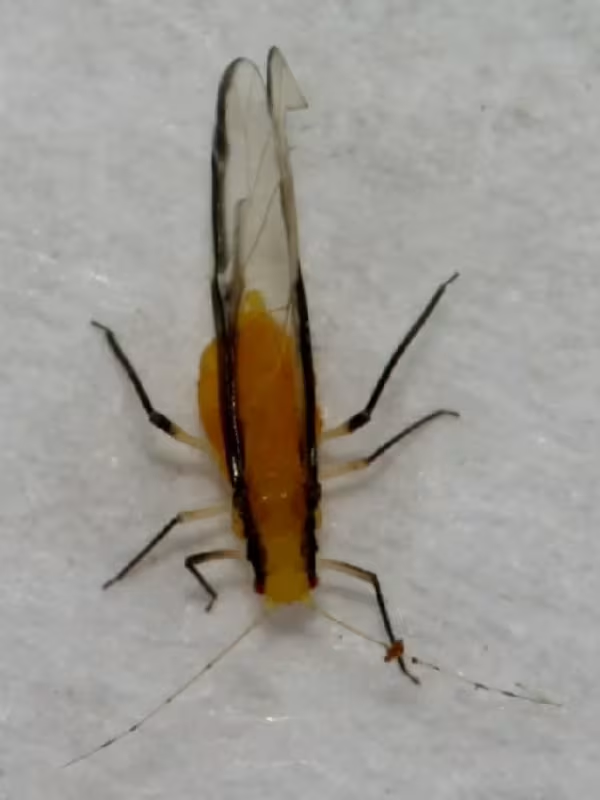
The oak aphid (Myzocallis polychaetus) is a small insect belonging to the family Aphididae, order Hemiptera. It is specifically adapted to feed on oak species.
These aphids are characterized by their small size and specific body patterns, which often include spots. Their morphology is typical for the genus, featuring a pair of siphunculi on the abdomen.
The life cycle involves multiple generations per year, alternating between parthenogenetic females during the growing season and sexual stages for overwintering.
They live in colonies predominantly on the undersides of leaves, utilizing the leaf veins as primary feeding sites to extract sap from the phloem.
The species is highly specialized, meaning its distribution and population dynamics are directly linked to the presence and health of oak forest stands.
What it damages
The primary damage caused by Myzocallis polychaetus is the extraction of nutrients from oak leaves, which weakens the tree's vigor and general health.
During intense feeding, the removal of significant amounts of plant sap leads to physiological stress, resulting in stunted growth and chlorosis in leaves.
The secretion of honeydew is a significant secondary issue, as it encourages the growth of sooty mold, which blocks sunlight and hinders the process of photosynthesis.
Frequent or severe infestations contribute to premature leaf drop, which deprives the tree of necessary energy reserves required for winter dormancy.
Young oak saplings in nurseries are particularly vulnerable, as aphid feeding can lead to permanent structural damage or death of the young plants.
When it appears
The activity of the oak aphid begins in early spring, coinciding with the bud burst of oak trees, ensuring immediate access to high-quality food sources.
Populations tend to reach their peak levels in late spring and early summer when temperatures are optimal for the rapid development of nymphs.
During the peak of summer, if environmental conditions become too dry or hot, aphid activity may decrease due to physiological changes in the host plant leaves.
As the season progresses towards autumn, the aphid produces eggs that are deposited in protected areas, such as bark crevices, to survive the winter period.
Monitoring seasonal patterns is crucial for timing interventions, particularly in urban forestry where aphid control is highly demanded by the public.
Signs of infestation
Visible curling, yellowing, or distortion of oak leaves is a primary indicator of aphid presence, caused by the localized feeding of the colony.
A sticky, shiny residue on the leaf surface, known as honeydew, is a classic sign of aphid infestation and often attracts ants and wasps.
The development of black sooty mold on leaves and twigs is an unmistakable sign that an aphid colony has been active for an extended period.
White, shed skins (exuviae) left behind on the underside of leaves indicate that the aphid population is molting and growing rapidly.
Frequent ant traffic on the tree trunk is a reliable secondary sign, as ants farm the aphids to collect the nutrient-rich honeydew they produce.
Control measures
Integrated Pest Management (IPM) is the most effective approach for controlling Myzocallis polychaetus in both forest and landscape settings.
The encouragement of natural predators like lady beetles, lacewings, and hoverflies is highly recommended as a sustainable way to manage aphid populations.
In cases of severe infestation, systemic insecticides can be applied to the soil or as a trunk injection to target aphids without harming beneficial pollinators.
Maintaining tree health through proper irrigation and soil management improves the tree's ability to withstand and recover from aphid-induced stress.
- Use insecticidal soaps for localized, non-toxic management of small colonies.
- Apply dormant oils in winter to smother overwintering aphid eggs.
- Promote biodiversity to maintain a balance of natural pest control agents.
Taxonomy
- Latin name
- Myzocallis polychaetus
- Order
- Hemiptera (bugs, aphids, leafhoppers)
- Family
- Aphididae
- EPPO code
- MYZCPO
Discussion
No discussions yet — be the first.