
Oak spot aphid
Myzocallis picta
Description
How to identify
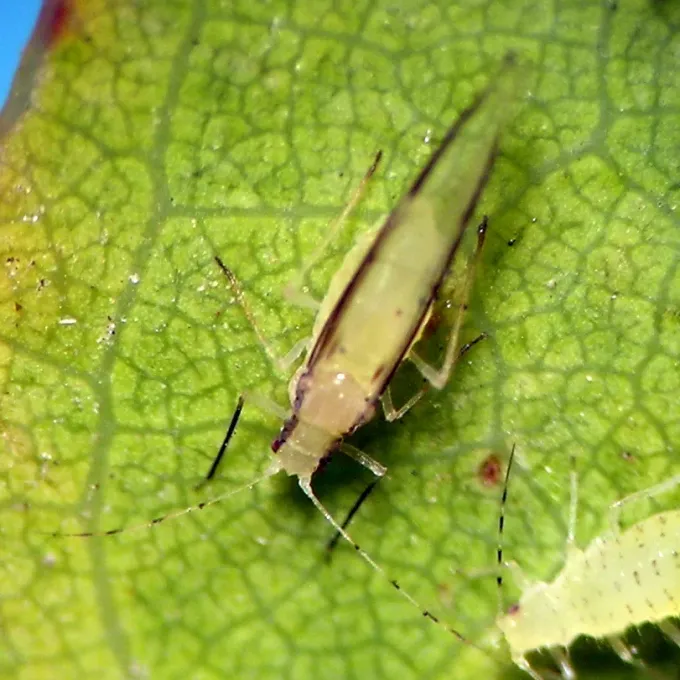
The oak spot aphid (Latin: Myzocallis picta) is a small insect species belonging to the Aphididae family, order Hemiptera, which exclusively targets oak tree species.
Adults are recognized by their distinctively spotted or patterned bodies, which provide effective camouflage on the underside of oak leaves where they reside.
The life cycle involves both winged and wingless forms, allowing the aphid to disperse to new hosts effectively during the summer months when populations reach their peak.
Nymphs resemble smaller versions of the adults and develop through several instars, gradually increasing their body pigmentation as they reach maturity.
Entomologists identify this species through microscopic inspection of their cornicles and cauda, which possess specific structural characteristics unique to this genus.
What it damages
Myzocallis picta primarily feeds on the phloem sap of various oak species (Quercus), focusing its energy on tender young foliage and fresh shoots.
Continuous feeding by large colonies results in leaf chlorosis, curling, and a reduction in the overall photosynthetic capacity of the tree, affecting its growth rate.
Heavy infestations can lead to premature leaf drop, which puts the tree under physiological stress, especially during drought conditions or late summer heatwaves.
Weakened trees become significantly more susceptible to secondary infestations by wood-boring beetles and various pathogenic fungal infections that target stressed tissues.
In nurseries and forest plantations, the damage caused by this aphid can lead to stunted growth in young oak seedlings, affecting long-term timber quality and health.
When it appears
The annual cycle starts in early spring when eggs, which have successfully overwintered in the crevices of the tree bark, hatch into a new generation of nymphs.
Populations tend to explode during late spring and early summer, taking advantage of the abundance of nutrients in newly flushed leaves and favorable weather conditions.
Several generations may occur in a single growing season, with the aphid population size often fluctuating based on temperature, humidity, and the presence of natural predators.
As autumn approaches, the aphid produces sexual forms that mate and lay overwintering eggs, ensuring the species survives until the following spring season.
Monitoring should be most intense during the initial leaf-out period, as early detection is key to preventing the buildup of large colonies across the canopy.
Signs of infestation
A primary indicator of infestation is the presence of honeydew, a sticky substance excreted by aphids that covers the leaves and can drip onto the ground below.
Sooty mold, a black fungus, often grows on top of the honeydew deposits, giving the foliage a darkened, dusty appearance that is easily spotted from the ground.
Leaf yellowing or slight curling may occur, particularly in areas where the aphid colonies are concentrated, showing signs of sap-sucking damage and nutrient deficiency.
The presence of ants is a major sign, as they are attracted to the honeydew and will actively protect the aphid colonies from predators, further signaling an infestation.
On severely affected trees, the overall appearance of the canopy may seem thinned, and fallen leaves covered in honeydew might be found at the base of the trunk.
Control measures
Biological control agents, including lady beetles (Coccinellidae) and lacewings (Chrysopidae), are the most effective natural means of reducing aphid populations.
If chemical intervention is necessary, systemic insecticides applied to the soil or trunk can provide long-lasting control without causing harm to beneficial insects on leaves.
Cultural practices such as proper watering and fertilizing help maintain tree vigor, allowing the oak to better withstand the pressure from aphid feeding throughout the season.
Applying horticultural oils or insecticidal soaps can be effective for localized control on younger, smaller trees where the entire canopy can be easily treated.
Integrated Pest Management (IPM) strategies, which prioritize monitoring and the preservation of natural predator populations, are recommended for long-term health in urban forests.
Taxonomy
- Latin name
- Myzocallis picta
- Order
- Hemiptera (bugs, aphids, leafhoppers)
- Family
- Aphididae
- EPPO code
- MYZCPI
Discussion
No discussions yet — be the first.