
Hornbeam aphid
Myzocallis carpini
Description
How to identify
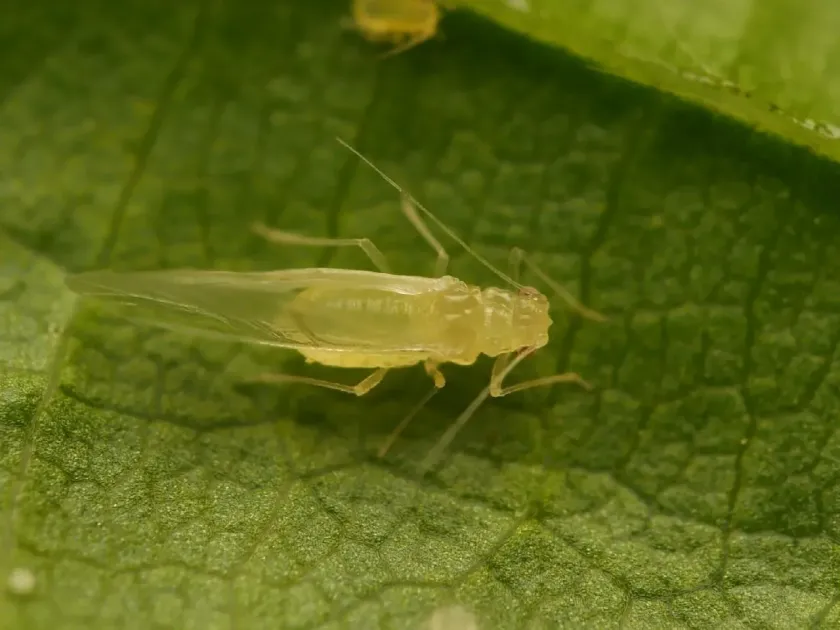
The hornbeam aphid (Myzocallis carpini) is a member of the Aphididae family within the Hemiptera order. These small insects are specialized parasites of trees belonging to the Betulaceae family, particularly the genus Carpinus.
Adult aphids are characterized by their small size and specific coloration, often blending in with the green foliage of the hornbeam tree, which allows them to remain elusive during the early stages of infestation.
The life cycle involves multiple generations per year. The species is known for its ability to reproduce parthenogenetically, which facilitates rapid population growth when environmental conditions are optimal.
Overwintering occurs in the egg stage, with eggs deposited by females in crevices of the bark or near buds. This strategy ensures the survival of the population through harsh winter months.
Development includes several nymph stages that resemble adults, feeding continuously on the sap of the host plant throughout the growing season.
What it damages
Myzocallis carpini exclusively targets hornbeam trees, feeding primarily on the undersides of leaves. Their piercing-sucking mouthparts disrupt the flow of vital nutrients within the leaf tissue.
Heavy infestations significantly reduce the vigor of the tree. This is especially problematic for young saplings in nurseries, where growth rates can be severely impacted by prolonged feeding.
In addition to sap extraction, the aphids excrete honeydew. This substance covers the foliage and promotes the growth of sooty mold, which blocks sunlight and hinders photosynthesis.
Continuous damage leads to weakened branches, stunted leaf growth, and decreased overall health, making the tree more susceptible to secondary pathogenic infections.
The aesthetic value of hornbeam hedges and ornamental trees is severely compromised by the curling and yellowing of foliage caused by the infestation.
Signs of infestation
The first signs of an aphid problem include curled or twisted leaves. Upon closer inspection, small colonies of aphids can be observed residing on the abaxial leaf surface.
A sticky residue on the foliage is a telltale sign of aphid activity. This honeydew often attracts ants, which create a symbiotic relationship with the aphids to protect them.
The presence of sooty mold—a dark, powdery coating on leaves—is a common secondary indicator of a long-term infestation that needs immediate management.
Premature yellowing of leaves in mid-summer, even when soil moisture is adequate, often suggests that a large aphid colony is draining the tree’s energy reserves.
Deformed terminal growth and reduced bud development are clinical signs of extensive aphid feeding during the active growing season.
Control measures
Integrated Pest Management (IPM) is recommended for controlling hornbeam aphids. Regular monitoring of trees during the spring and early summer is crucial for early detection.
Biological control agents, such as lady beetles, lacewings, and hoverfly larvae, are natural predators that can effectively keep aphid populations below damaging levels.
When chemical intervention is necessary, systemic insecticides applied to the roots or foliage can provide effective protection by targeting the insects through the plant's vascular system.
Maintaining tree health through proper fertilization and watering prevents stress, as stressed plants are significantly more attractive to colonizing aphid species.
- Monitor leaf undersides weekly during the growing season.
- Encourage local beneficial insect populations.
- Use horticultural oils or insecticidal soaps for localized infestations.
Taxonomy
- Latin name
- Myzocallis carpini
- Order
- Hemiptera (bugs, aphids, leafhoppers)
- Family
- Aphididae
- EPPO code
- MYZCCP
Discussion
No discussions yet — be the first.