
Alhambra oak aphid
Myzocallis alhambra
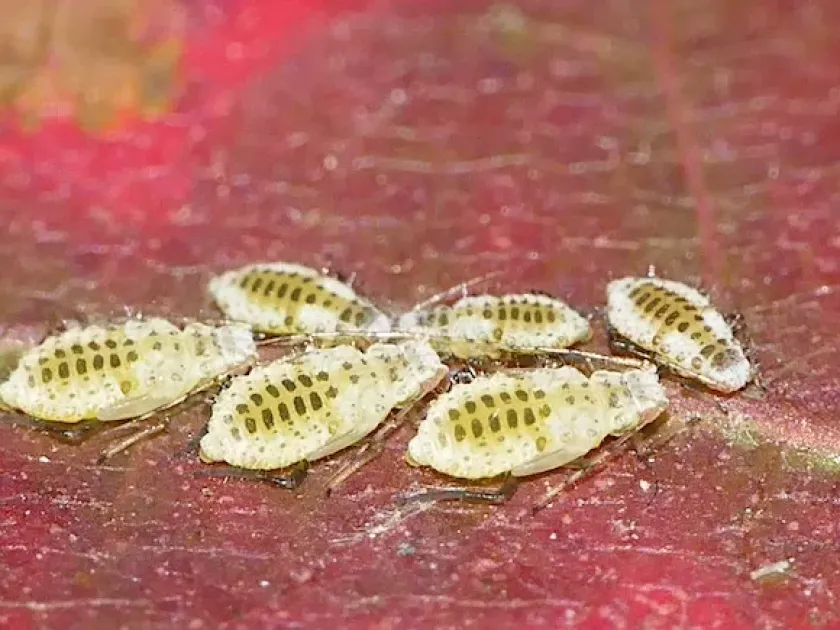
Description
How to identify
The Alhambra oak aphid (Myzocallis alhambra) is a specialized insect species belonging to the Aphididae family, primarily found on various oak tree species. It is a foliage-dwelling pest that spends most of its life cycle on the underside of oak leaves.
Adult aphids of this species are generally yellowish-green, which provides effective camouflage against the green leaf surface. A distinguishing morphological feature is the presence of dark-pigmented spots on the wing veins of winged individuals, which aids in field identification.
The species primarily reproduces through parthenogenesis during the spring and summer months. This reproductive strategy allows for rapid population growth, enabling the insects to colonize entire tree canopies within a relatively short period.
In terms of behavior, Myzocallis alhambra is relatively sedentary, often congregating along the primary and secondary leaf veins. This behavior optimizes their access to phloem sap, which is the primary source of nutrition for the colony.
Entomologists and arborists identify this species by examining the distribution pattern on the leaves and the specific characteristics of the honeydew excretion. Due to their small size, usually between 2 and 3 mm, professional monitoring with a magnifying glass is essential.
What it damages
Oak trees (genus Quercus) serve as the primary host for this pest. The aphids extract essential nutrients and water from the leaf tissues, which directly impacts the tree's physiological status and overall health.
Continuous feeding causes chlorosis, leaf deformation, and potentially early abscission. When infestation levels are high, the reduction in photosynthetic capacity can significantly stress the tree, leading to stunted growth and lower vigor.
A secondary consequence of the feeding is the production of copious amounts of honeydew. This sticky substance coats the leaves, creating a favorable substrate for the growth of sooty mold, which blocks sunlight and prevents the leaves from conducting photosynthesis.
Young trees in nurseries and newly planted urban trees are at the highest risk. Damage sustained during the early years of growth can reduce the tree's resilience to environmental stressors, such as drought or extreme winter temperatures.
While mature oaks can often tolerate moderate aphid populations, systemic infestations over consecutive seasons can contribute to general tree decline. This makes management crucial for preserving the aesthetic and ecological value of urban oak plantings.
When it appears
The life cycle initiates in early spring as eggs, which have overwintered in bark crevices, hatch. The first generation of nymphs immediately seeks out expanding buds and young leaves to begin feeding.
Population densities typically peak during late May and June. During this window, optimal temperatures and high nutrient availability in fresh foliage facilitate rapid population explosions and the formation of large colonies.
Throughout the summer, multiple generations of Myzocallis alhambra follow one another. Warm, dry weather conditions often exacerbate the infestation, as shorter developmental times lead to faster population turnover.
As the season progresses toward autumn, the aphids produce sexual generations. These mating pairs produce eggs that are deposited on the branches and trunks, designed to withstand winter conditions until the following spring.
Environmental factors, such as heavy rain or natural predation, can influence the population dynamics throughout the season. Despite these natural setbacks, the species is known for its high reproductive potential and ability to rebound quickly.
Signs of infestation
Early symptoms of infestation include the curling or yellowing of leaves. If a tree's foliage looks generally unhealthy or displays chlorotic spots in the early summer, it is a primary indicator of aphid presence.
The accumulation of honeydew is a diagnostic sign of active feeding. A sticky residue on the leaves or the ground beneath the tree canopy, often accompanied by an increase in ant activity, clearly signals that the tree is currently under attack.
Sooty mold growth is a later sign, appearing as a dark, dusty film on the leaf surface. This mold growth not only looks unsightly but also signifies that the aphid colony has been established for a significant period.
Examination of the underside of the leaves will often reveal white, cast-off skins from molting nymphs. These tiny fragments are common evidence of the presence of the pest, even if the adult aphids have temporarily dispersed or were disturbed.
High infestation levels may result in premature leaf drop. If walking under an oak tree results in visible leaf fall during the peak of summer, it is often a sign of heavy aphid pressure on the upper canopy levels.
Control measures
Cultural practices are the foundation of prevention. Ensuring trees are well-watered and properly fertilized helps maintain tree health, allowing them to better tolerate minor pest populations without significant damage.
Biological control plays a major role in managing aphid populations. Encouraging the presence of natural enemies such as lady beetles, lacewings, and hoverflies can effectively regulate the number of aphids in the environment.
In cases of severe infestation, systemic insecticides are the most effective solution. Applied correctly, these chemicals move through the vascular system of the tree, providing effective protection against sucking pests like the oak aphid.
Effective application requires thorough coverage of the canopy, particularly the underside of the leaves. Using professional spray equipment helps ensure that the treatment reaches the areas where the aphids are most densely concentrated.
Sticky bands or mechanical barriers placed around the trunks are a non-chemical method to deter ants. By stopping ants from tending the aphids, the natural enemies have a better chance to hunt and reduce the aphid colony size significantly.
Taxonomy
- Latin name
- Myzocallis alhambra
- Order
- Hemiptera (bugs, aphids, leafhoppers)
- Family
- Aphididae
- EPPO code
- MYZCAL
Discussion
No discussions yet — be the first.