
Yellow pecan aphid
Monellia costalis
Description
How to identify
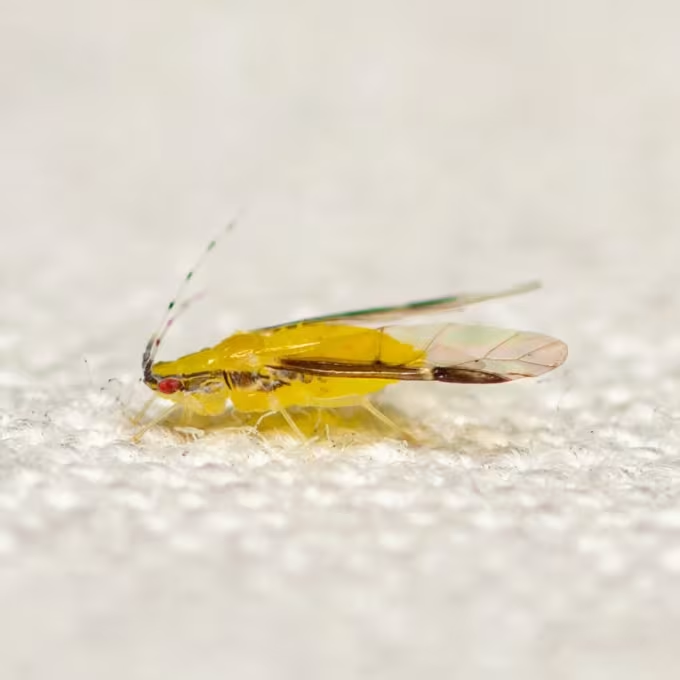
The yellow pecan aphid (Monellia costalis) is a small, pale yellow insect belonging to the order Hemiptera and the family Aphididae. It is a specialized pest primarily found on pecan trees, recognizable by its distinct bright yellow body and clear, dark-edged wings in the adult stage.
This species is characterized by its high reproductive rate and specialized feeding habits. Individuals often have a waxy coating, and they are typically found on the undersides of leaves, making them somewhat elusive until population numbers rise significantly.
The biological cycle involves both winged and wingless forms, allowing the aphid to disperse efficiently across an orchard. The yellow coloration is a key diagnostic feature, distinguishing it from other aphid species found on similar nut trees.
As a member of the aphid family, it thrives by utilizing its piercing-sucking mouthparts. Understanding the taxonomy is crucial for applying appropriate management strategies that target this specific insect without harming beneficial predatory populations.
Monitoring for the yellow pecan aphid is essential because they are often found in the middle and lower canopy of trees. Early detection is facilitated by inspecting the leaf surface for these distinct yellow insects during the active growing season.
What it damages
The primary damage caused by Monellia costalis is the direct withdrawal of plant nutrients. By feeding on the leaf sap, the aphids drain the tree's resources, which significantly hinders normal physiological function and vigor.
As the aphids feed, they excrete honeydew, a sugary, sticky substance. This honeydew creates a substrate for the development of sooty mold, a fungus that covers the leaves and blocks essential sunlight, thereby inhibiting the process of photosynthesis.
Severe infestations lead to premature leaf drop and yellowing of the foliage. This defoliation reduces the tree's ability to store energy for the following season, negatively impacting future nut production and overall tree health.
Nut quality can also be severely degraded under heavy infestation conditions, leading to smaller kernels and reduced economic returns for orchard managers. The cumulative effect of these stresses can weaken the tree, making it susceptible to secondary pests.
In addition to the physical damage, the constant presence of aphids and associated mold drastically reduces the market value of the crop. Managing this pest is therefore vital for maintaining the productivity and longevity of pecan orchards.
When it appears
The activity of the yellow pecan aphid begins in the spring when overwintering eggs hatch in response to increasing temperatures and tree bud break. The first generation of nymphs starts feeding on the new growth.
The summer season is the period of peak infestation, as favorable temperatures allow for rapid reproduction and multiple generations. During this time, population levels can fluctuate, often spiking during periods of high humidity and heat.
As autumn approaches, the aphid population begins to transition. Adult females lay eggs on the tree bark, which will serve as the overwintering stage, ensuring the species survives until the following spring season.
The frequency and number of generations per year are heavily influenced by the regional climate. Warmer climates provide an extended window for infestation, requiring a more prolonged and diligent monitoring effort by orchardists.
Effective management relies on tracking the seasonal lifecycle of Monellia costalis. Knowing when the population is likely to peak allows for the timely implementation of control tactics to keep numbers below the economic threshold.
Signs of infestation
The most prominent sign of an aphid infestation is the curling and yellowing of leaves. Additionally, gardeners can spot sticky honeydew residues on the upper surfaces of leaves located beneath the colonized areas.
Sooty mold, manifesting as a dark, powdery fungal layer on foliage and branches, is a clear indicator that a colony has been established for some time. This mold serves as a warning that aphid numbers are likely high.
An increase in ant activity within the tree canopy is another strong signal of infestation. Ants are attracted to the honeydew produced by the aphids and often act as their protectors, hindering the effectiveness of natural insect predators.
Early-stage monitoring involves checking the undersides of leaflets, where individual aphids or small groups reside. Detecting them before they spread to the rest of the canopy is critical for successful control and damage prevention.
Stunted shoot growth and diminished foliage density are reliable late-stage indicators of persistent aphid activity. If these symptoms appear, an immediate inspection is necessary to evaluate the extent of the colony.
Control measures
Management of the yellow pecan aphid is best achieved through Integrated Pest Management (IPM) practices, which emphasize sustainable control while minimizing environmental impact and protecting beneficial insect populations.
- Utilizing selective insecticides that target aphids while preserving predatory species like lady beetles and lacewings.
- Implementing cultural practices such as pruning to improve air circulation and sunlight penetration in the canopy.
- Monitoring population density and only applying treatments when the economic injury level is reached.
- Managing ant populations, which can prevent natural predators from reducing aphid numbers.
- Encouraging biological control by maintaining a healthy orchard environment that supports predator habitats.
Proper nitrogen management is essential; excessive fertilization can lead to flushes of tender growth, which act as a magnet for aphids. Maintaining balanced nutrition helps keep the trees strong and better able to withstand pest pressure.
Orchard managers should prioritize regular scouting to assess pest numbers. By staying informed on population trends, producers can make data-driven decisions that reduce the need for heavy chemical intervention and ensure long-term orchard health.
Taxonomy
- Latin name
- Monellia costalis
- Order
- Hemiptera (bugs, aphids, leafhoppers)
- Family
- Aphididae
- EPPO code
- MONLCO
Discussion
No discussions yet — be the first.