
Metriochroa latifoliella leaf miner
Metriochroa latifoliella
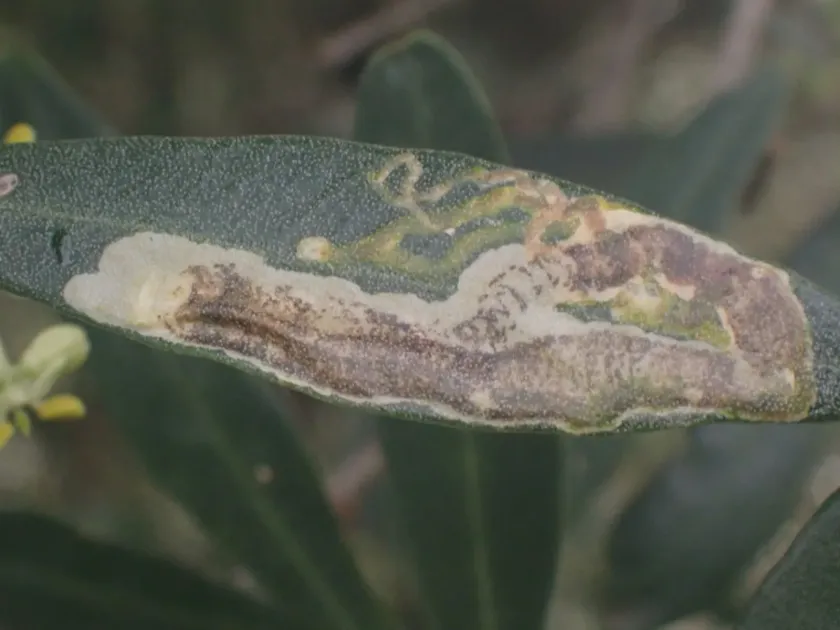
Description
How to identify
Metriochroa latifoliella is a species of moth in the family Gracillariidae. These moths are known for their leaf-mining larvae, which are specialized insects that feed between the upper and lower epidermal layers of host plant leaves.
Adult moths are generally small with elongated, fringed wings. Their coloration provides excellent camouflage against tree bark or leaves, making them difficult to detect during the day when they rest on host plants.
The life cycle follows complete metamorphosis, including egg, larval, pupal, and adult stages. The larval stage is the most critical from an agricultural standpoint due to its destructive feeding habits.
Eggs are typically deposited individually on the leaf surface. Upon hatching, the young larva bores directly into the leaf tissue, creating a protected micro-environment that shields it from many external predators and environmental stressors.
The pupation usually occurs either within the mine or in a silk cocoon spun on the leaf surface or under debris, depending on the specific environmental conditions and the developmental stage of the moth.
What it damages
The primary host plant for Metriochroa latifoliella is Lantana camara. The larva creates serpentine or blotch-like mines by consuming the mesophyll tissue, which is responsible for photosynthesis.
As the larva grows, the mine expands, often becoming visible as discolored patches on the leaves. This destruction of chlorophyll-rich tissue significantly reduces the plant's ability to produce energy through photosynthesis.
Severe infestations can lead to premature leaf abscission (drop). This weakens the host plant, stunts its growth, and can result in overall physiological decline if the infestation persists over multiple growing seasons.
The compromised leaf structure also serves as an entry point for various plant pathogens, including fungi and bacteria, which can exacerbate the damage caused by the mining moth itself.
In ornamental landscaping, the visual damage caused by the leaf miner significantly reduces the aesthetic value of the plants, often necessitating rigorous control measures in nurseries and parks.
Control measures
Biological control remains one of the most sustainable management practices. Several parasitoid wasps naturally prey on the larvae of this moth, effectively keeping populations below the economic injury level.
Systemic insecticides are often employed when outbreaks become severe. These chemicals are absorbed by the plant's vascular system, ensuring that the toxin reaches the larva inside the protected mine.
Cultural control practices involve the regular removal and destruction of infested foliage. By eliminating the leaves containing developing larvae or pupae, the grower can break the pest's reproductive cycle.
Monitoring with pheromone traps allows for the early detection of adult flight periods. This timing is crucial for applying treatments when they are most effective against newly hatched larvae before they penetrate deep into the leaf.
Integrated Pest Management (IPM) is highly recommended. By rotating different control strategies and encouraging natural predators, growers can maintain healthy host plants while minimizing the reliance on broad-spectrum chemical pesticides.
Taxonomy
- Latin name
- Metriochroa latifoliella
- Order
- Lepidoptera (butterflies)
- Family
- Gracillariidae
- EPPO code
- MTRCLA
Discussion
No discussions yet — be the first.