
Striped skunk
Mephitis mephitis
Description
How to identify
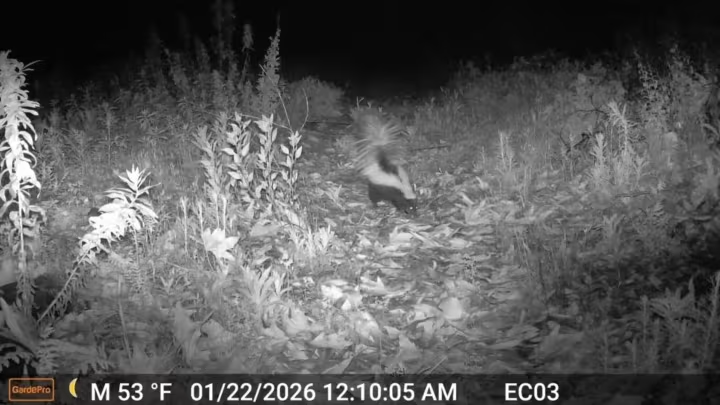
The striped skunk (Mephitis mephitis) is a mammal belonging to the skunk family, easily recognized by its bold black and white fur pattern. It typically features two white stripes running down its back from the head to the tail.
These animals are primarily nocturnal, which helps them avoid human interaction during the day. They possess strong, long claws on their front paws, perfectly adapted for digging into the soil in search of grubs, insects, and larvae.
Measuring about the size of a large domestic cat, they have a thick coat and a robust build. Their most famous defense mechanism is the ability to spray a foul-smelling secretion from anal glands when they feel threatened or cornered.
Striped skunks are opportunistic omnivores. In agricultural and residential areas, they feed on a variety of foods, including insects found in garden beds, fallen fruit, and occasionally the roots or stems of vegetables if other food is scarce.
While they don't hibernate in the traditional sense, they become much less active during cold weather and spend more time in underground dens. With the arrival of spring, their activity levels peak as they search for mating partners and food sources.
What it damages
Striped skunks cause significant indirect damage to gardens and lawns through their foraging habits. As they dig for grubs and larvae, they create small, conical holes, which can ruin the aesthetic and health of a well-manicured lawn.
By digging under plants and shrubs, skunks expose root systems to the air, causing them to dry out and eventually leading to the death of the vegetation. This is particularly harmful to young transplants and shallow-rooted ornamental plants.
They can also damage vegetable gardens by trampling crops while searching for food. In some cases, they consume soft vegetables like tomatoes, berries, or squashes, especially during hot, dry spells when they need extra moisture.
The destruction of compost heaps is another common issue. Skunks are attracted to the organic waste, and their digging can scatter food scraps across the garden, creating a mess and potentially attracting other pests or unwanted scavengers.
Furthermore, their presence can be a sanitary concern. The persistent odor they leave behind and the potential for carrying diseases make them unwelcome guests in any commercial or residential agricultural setting.
Signs of infestation
The most distinctive sign of skunk activity is the presence of numerous small, cone-shaped pits in the soil or lawn, usually 2 to 4 inches deep, where the animal has been digging for larvae and soil-dwelling insects.
A pungent, acrid odor is often the first indicator that a skunk has been in the area. This smell can linger for hours or even days, especially if the animal was startled or marked its territory near a garden structure.
Patches of torn-up turf or sod are classic indicators of a skunk's nightly feeding habits. They will return to the same patch of soil repeatedly until the population of grubs in that area has been exhausted.
Small, five-toed tracks showing long, curved claw marks in mud or soft soil provide clear evidence of their presence. These trails are often found along fences, near compost bins, or leading toward potential denning sites.
Disturbed mulch, overturned garden containers, and damaged vegetable patches near ground level often suggest that a skunk has been exploring your yard for food or searching for cover under porches and garden sheds.
Control measures
Effective control starts with sanitation. Eliminating access to food sources is crucial; ensure that all garbage cans have tight-fitting lids and that compost heaps are enclosed in sturdy, animal-proof containers or fenced off with mesh.
Treating the lawn for grubs and other soil insects is one of the most proactive steps you can take. By removing their primary food source, you make your yard significantly less appealing to skunks, encouraging them to move elsewhere.
Motion-activated lighting and sprinklers are highly effective deterrents. Skunks are sensitive to sudden changes in their environment, and the combination of bright light and water spray will often discourage them from returning to your property.
Physical exclusion is essential for long-term management. Use heavy-gauge wire mesh to seal off potential denning areas under sheds, porches, or house foundations, burying the mesh at least 12 inches deep to prevent burrowing.
- Applying commercial taste or scent repellents, such as castor oil-based sprays.
- Using live traps if relocation is permitted by local wildlife authorities.
- Regularly harvesting ripe fruit and vegetables before they drop to the ground.
- Cleaning up brush piles and tall grass to eliminate daytime hiding spots.
Taxonomy
- Latin name
- Mephitis mephitis
- Family
- Mephitidae
- EPPO code
- MEPHME
Discussion
No discussions yet — be the first.