
Skunk
Mephitis
Description
How to identify
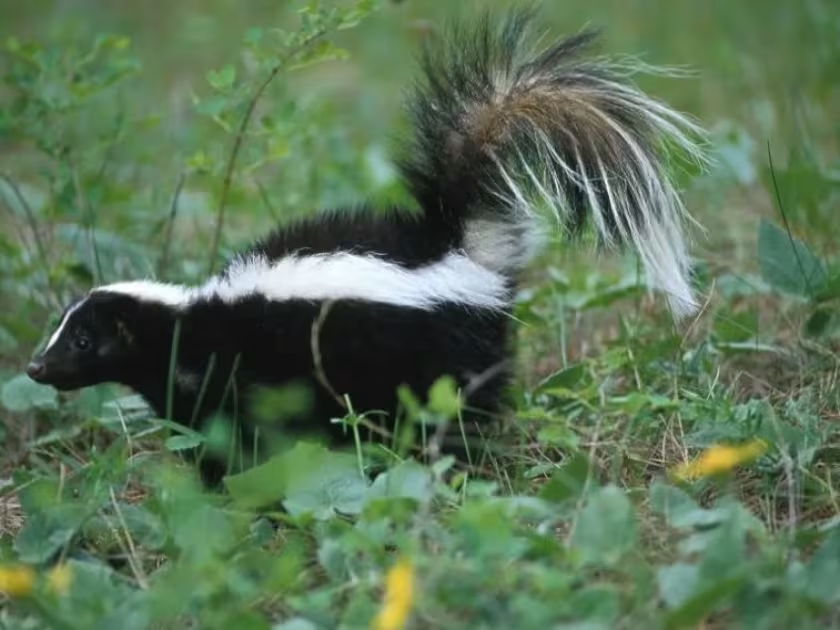
The striped skunk (Mephitis mephitis) belongs to the family Mephitidae, order Carnivora. It is a medium-sized mammal easily identified by its distinctive black and white pelage.
Skunks have a robust body, short legs, and long, powerful claws specifically adapted for digging into the soil to forage for insects and larvae.
The most famous biological trait is their ability to spray a foul-smelling secretion from anal glands, which serves as a powerful defense mechanism.
They are primarily nocturnal, which means their damage often goes unnoticed until the morning inspection of agricultural fields or home gardens.
While they are omnivores, their structural adaptations for digging make them problematic for maintaining the integrity of garden beds and field crops.
What it damages
Skunks cause significant damage to agriculture by excavating the soil in search of grubs, beetles, and other subterranean insects.
This foraging activity leads to the destruction of root systems, which causes young plants and seedlings to wither and eventually die.
In corn fields, skunks are known to eat maturing kernels, which can result in localized yield losses and reduced crop quality.
They frequently damage residential lawns and commercial sod by overturning large patches of grass, which is visually and structurally detrimental.
Physical damage to plants exposes them to various soil-borne pathogens, increasing the risk of secondary infections and fungal diseases.
When it appears
Spring activity increases significantly as skunks emerge from their winter dens and search for high-protein food sources to replenish energy.
During the summer months, especially in dry weather, skunks are attracted to irrigated garden beds that harbor rich soil fauna.
Autumn marks a period of intensive feeding as the animals prepare for winter, leading to increased pressure on vegetable gardens and orchards.
Their life cycle is closely linked to the population dynamics of soil invertebrates, which dictates the intensity of their presence on farms.
While they do not hibernate in the strict sense, their presence on farmland is minimal during deep winter and peaks during warmer growing seasons.
Signs of infestation
The most common sign of a skunk infestation is the presence of small, cone-shaped holes in the soil, usually 5 to 15 centimeters deep.
A strong, musky, and pungent odor is an unmistakable indicator that a skunk has been active in the vicinity of the planting area recently.
Distinctive claw marks on the ground, clearly visible in loose soil, help differentiate skunk activity from that of domestic pets or rodents.
Disrupted mulch, disturbed seedbeds, and uprooted seedlings are classic indicators that an animal is foraging in your garden.
Finding scat containing exoskeleton fragments of insects and vegetative matter serves as concrete evidence of the animal's feeding habits.
Control measures
The most effective strategy is the removal of food sources, including securing compost piles and managing household waste correctly.
Exclusion methods, such as installing wire mesh fencing buried at least 20 centimeters deep, are highly effective at preventing entry.
Using motion-activated lights or sprinklers can act as a deterrent, discouraging skunks from entering the garden at night.
Implementing a comprehensive pest management program for grubs and soil insects reduces the primary attraction for skunks to your fields.
In cases of severe infestation, professional wildlife control services should be contacted for humane trapping and relocation of the animal.
Taxonomy
- Latin name
- Mephitis
- Family
- Mephitidae
- EPPO code
- MEPHSP
Discussion
No discussions yet — be the first.